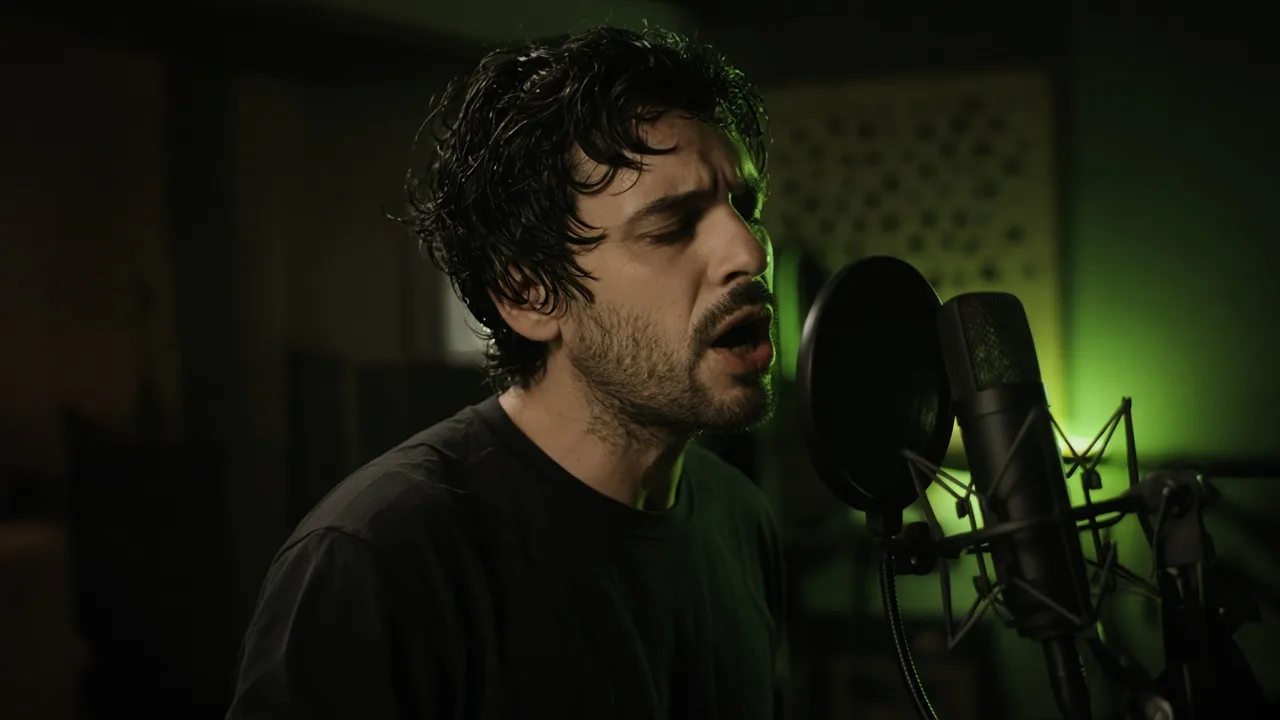
Multicultural Marketing
Beyond the Lip-Sync: What AI Dubbing Still Can't Do in Bilingual Production
AI dubbing solved speed and cost. It hasn't solved the moment an audience feels something is off.

AI dubbing solved speed and cost. It hasn't solved the moment an audience feels something is off.
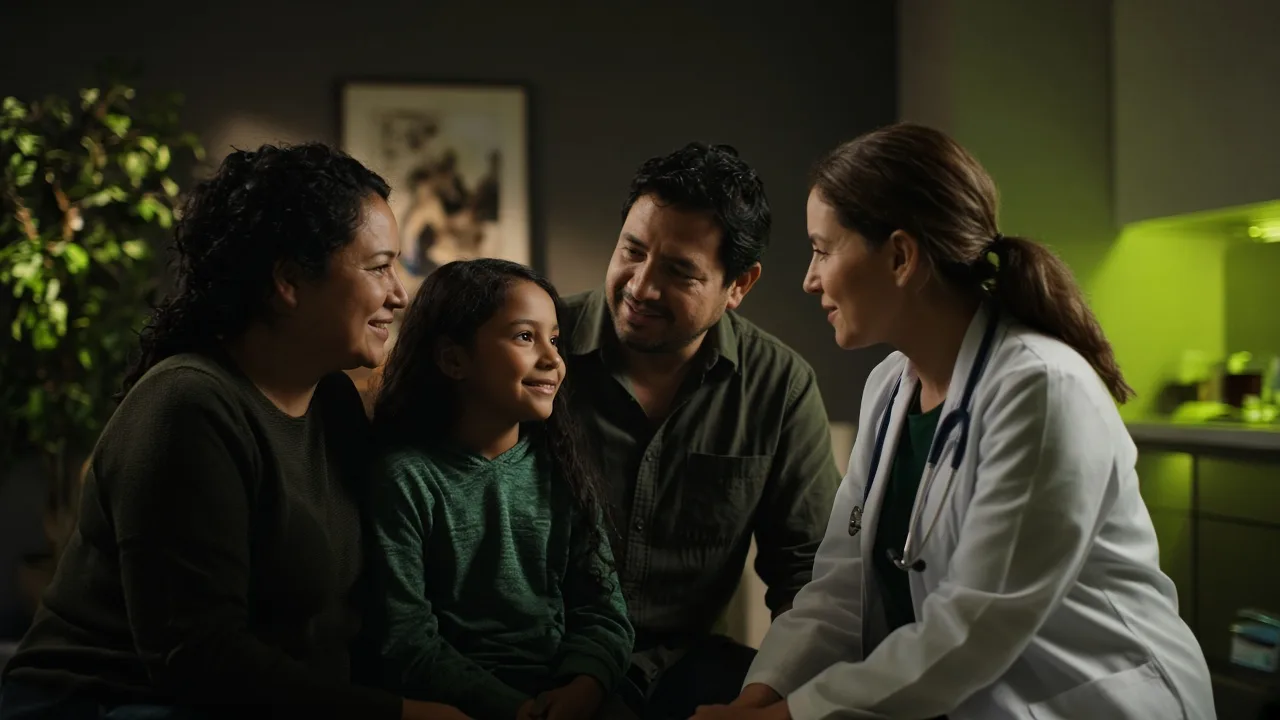
Spanish-language copy gets healthcare marketing in the door — trust is what keeps a patient there.

The one-agency-does-everything model is buckling under its own weight, and multicultural work is where the cracks show first.

87% of advertising professionals believe the traditional agency model is broken or will be soon — not because AI is replacing agencies, but because it's replacing the reasons clients used to need a large one.

Most brands aren't failing at Hispanic marketing because they're ignoring the opportunity — they're failing because of three specific, correctable assumptions baked into how the work gets planned.
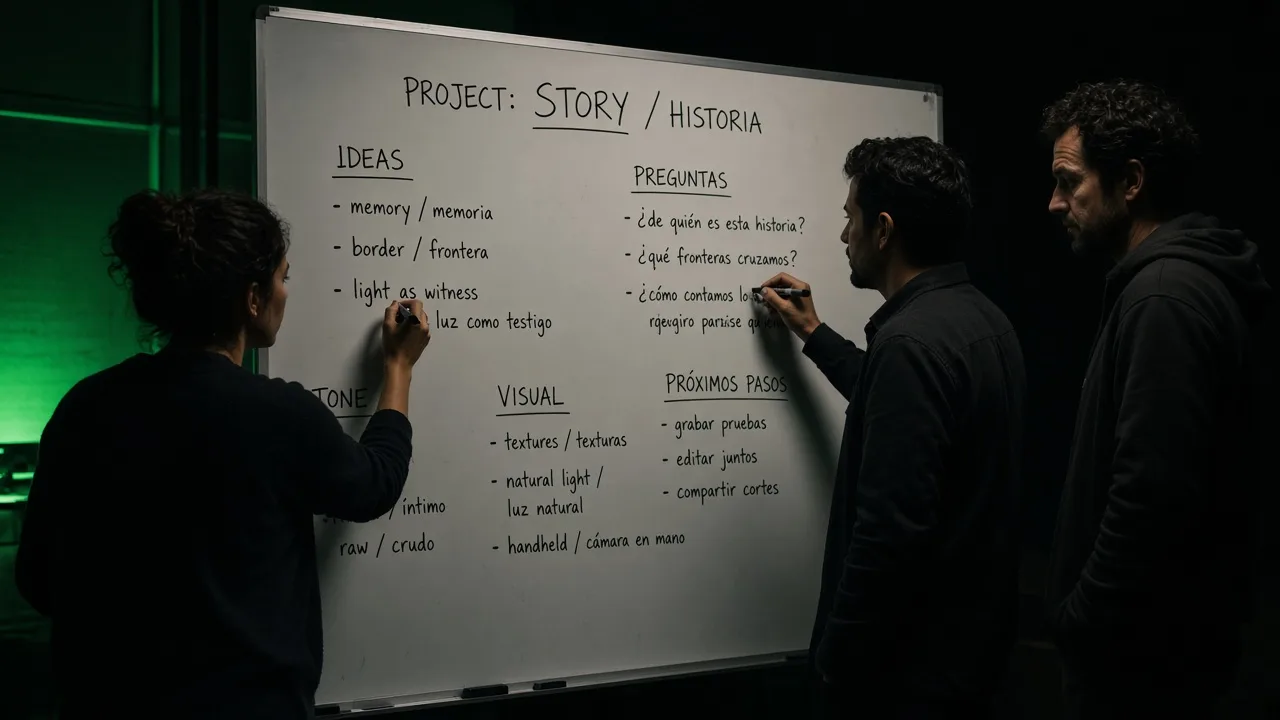
A translated ad and a natively created bilingual campaign look similar on a media plan and perform completely differently in market — the difference is entirely in how the work gets produced.
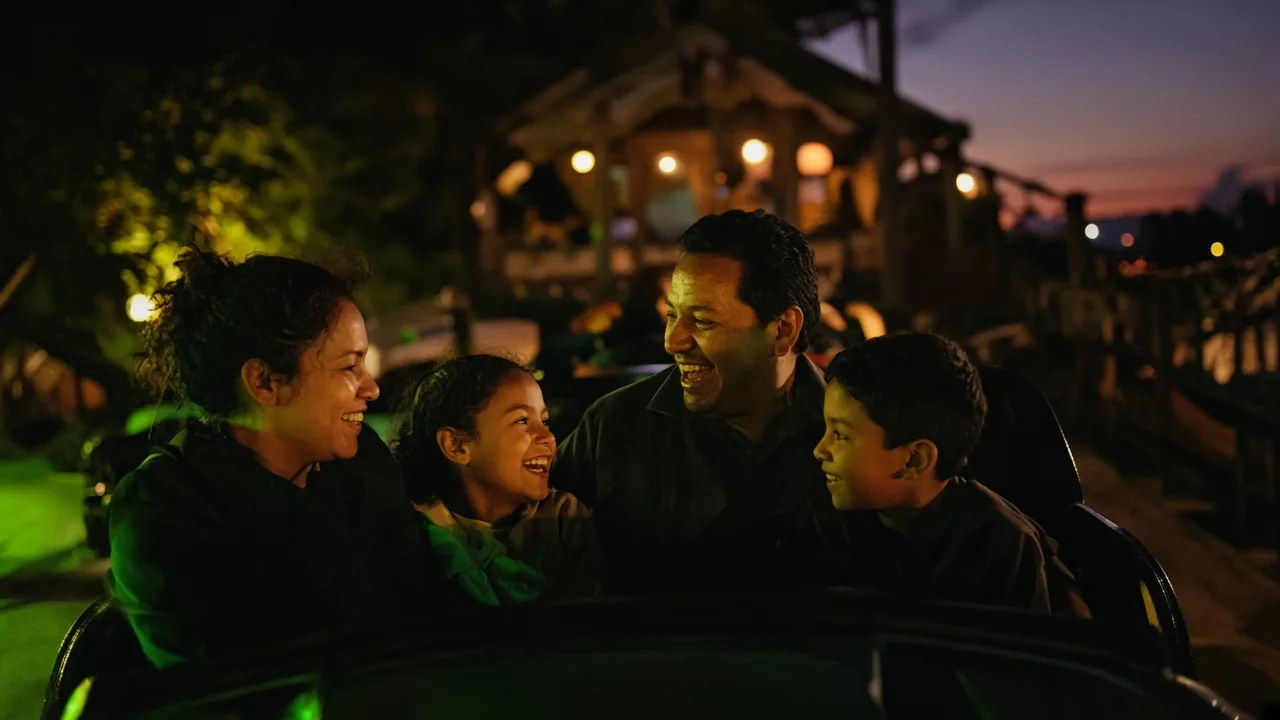
Multicultural families are among the highest-value audiences in entertainment and theme park marketing — and most campaigns still reach them with a translated version of a message built for someone else.
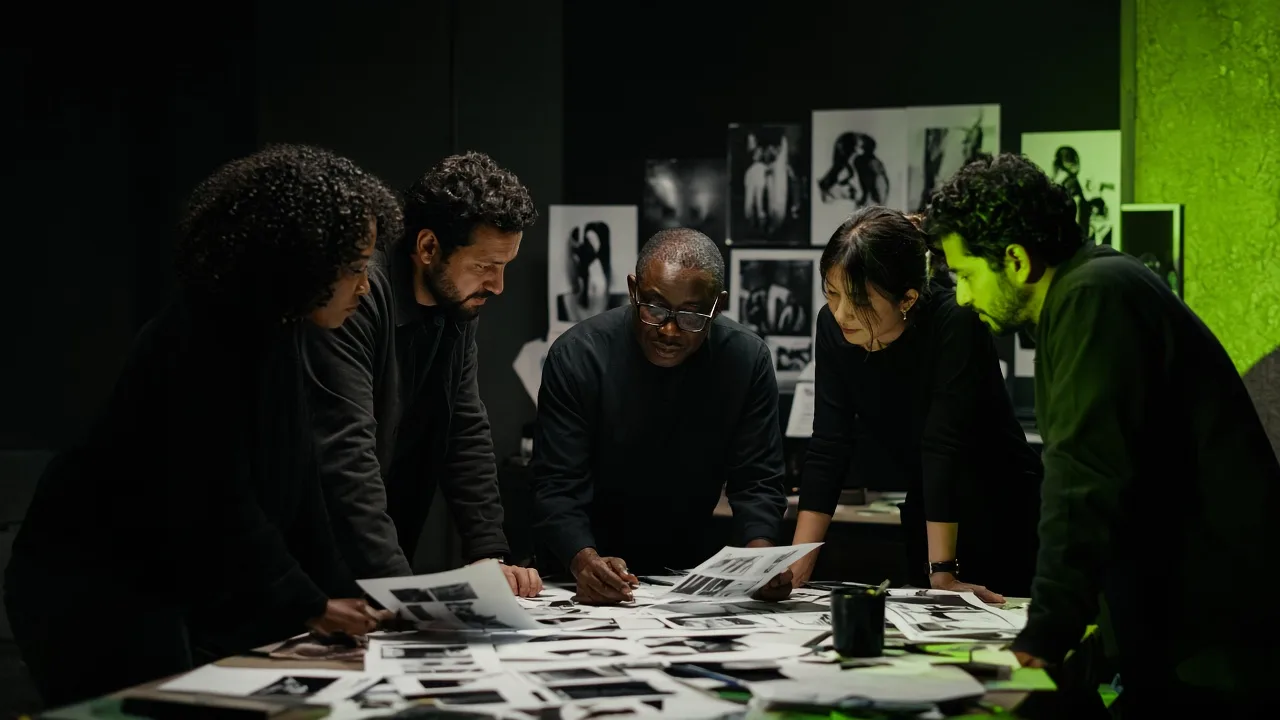
The 2026 agency landscape rewards speed, senior talent, and cultural fluency over headcount — and independent multicultural shops are built for exactly that shift.
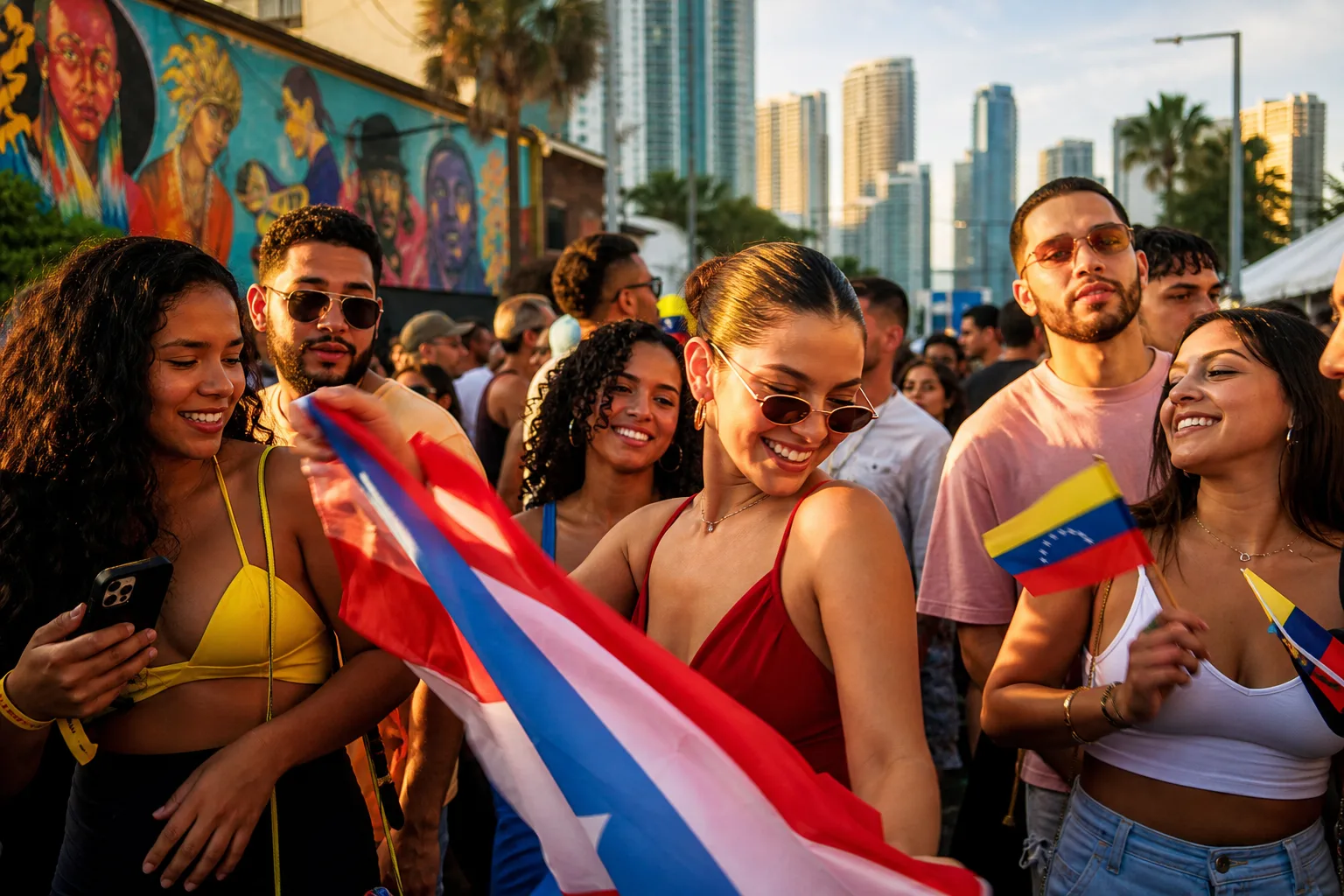
I live in Miami. I watch brands pour their Hispanic marketing budget into California and Texas and treat Florida like a footnote. Here's what they're missing — and why it's one of the most strategically important markets in the country.