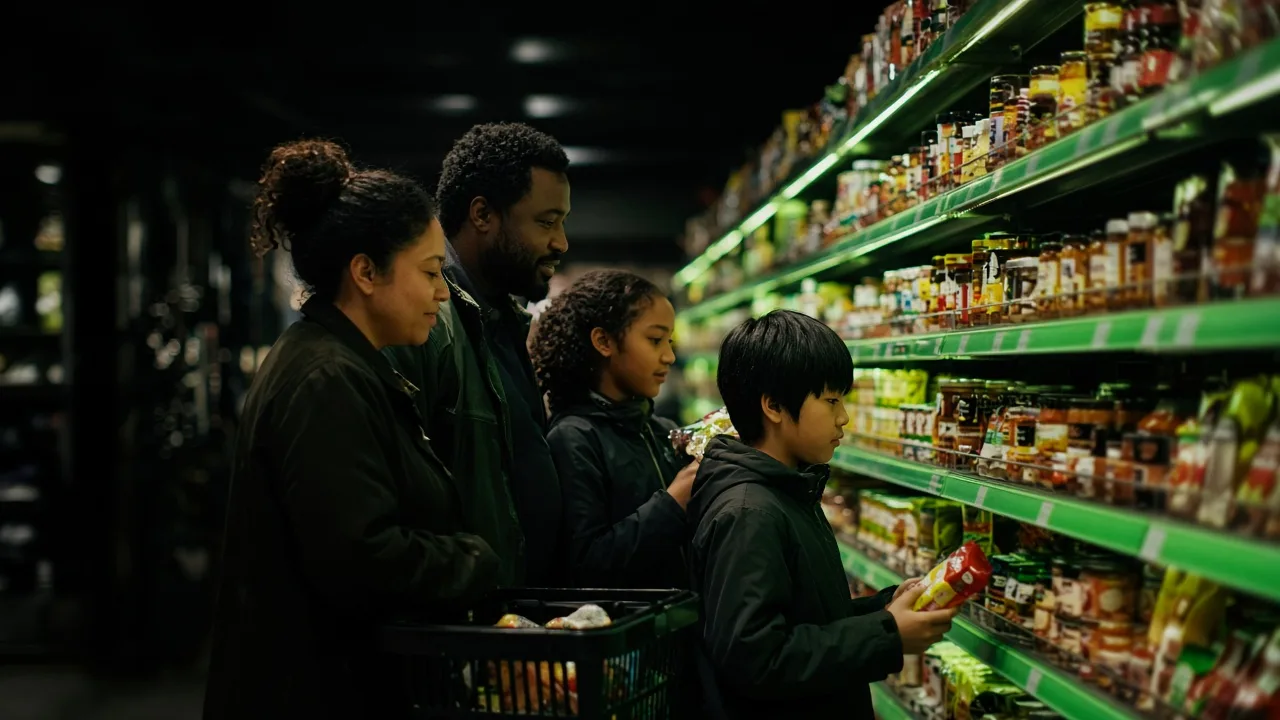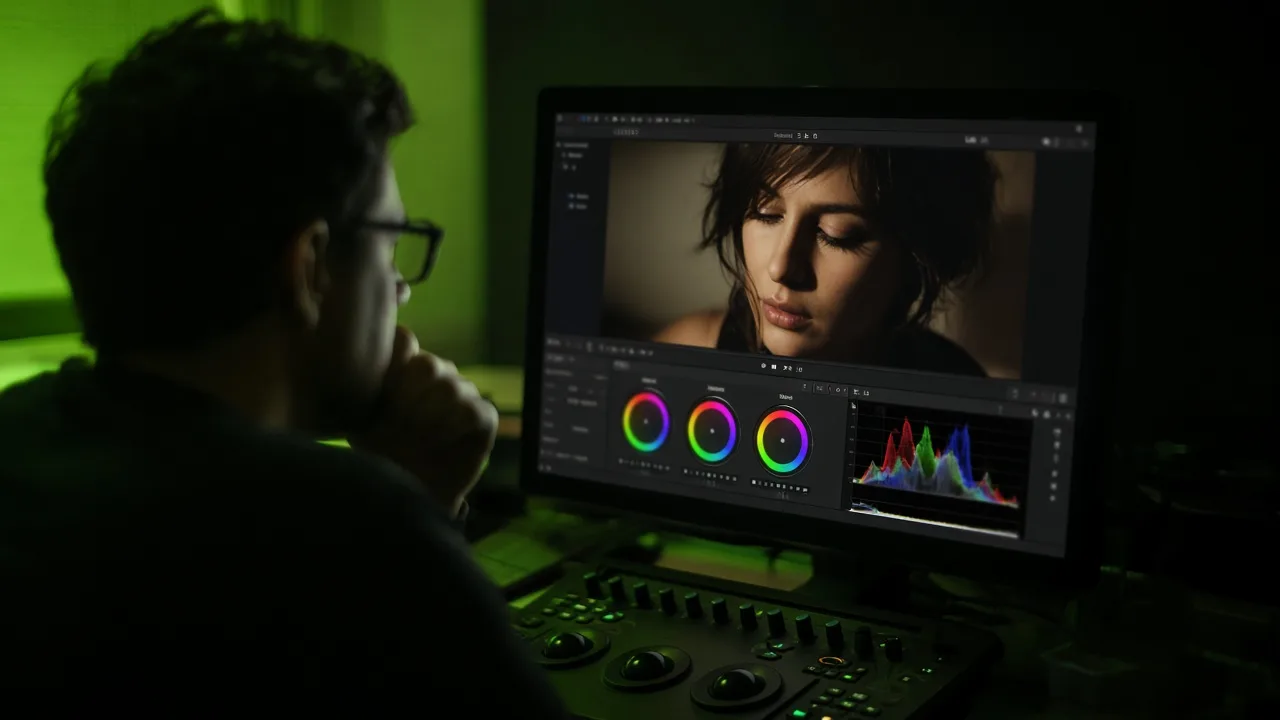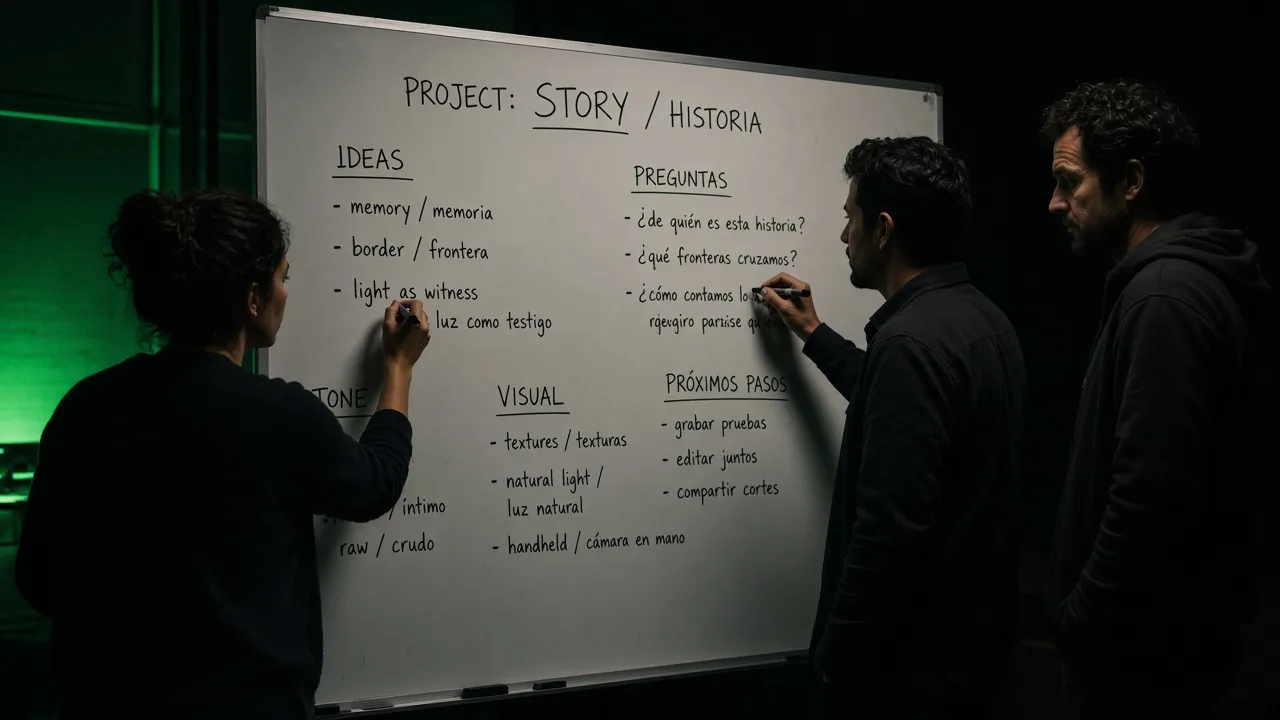
Translation converts words; native bilingual creative production converts the entire creative idea — casting, humor, pacing, cultural references — for each language audience independently, and campaigns that skip that step consistently underperform campaigns that don't, regardless of media spend.
The fastest, cheapest way to produce a Spanish-language version of a campaign is to write the English version first and translate it afterward. It's also the version most likely to underperform, because translation solves a language problem, not a creative one — and the creative problem is almost always the reason a bilingual campaign falls flat. Humor doesn't translate directly. Idioms and cultural references built for one audience often mean nothing, or mean something unintended, in another. Pacing that works for a 30-second English spot can feel rushed or slow once the same words are rendered in Spanish, since sentence length and rhythm differ meaningfully between the two languages. None of this is fixable in a translation pass — it has to be built into the creative from the brief forward.
What Actually Breaks in a Translated Campaign
The failure points are consistent and predictable. Casting chosen for an English-language creative sensibility often doesn't read the same way to a Spanish-speaking audience — tone, delivery, and even physical casting choices carry different cultural signals. Voiceover direction translated literally frequently loses the register — formal versus casual, aspirational versus relatable — that the original English version was built around. Legal and regulatory language is its own trap: a translated disclaimer or compliance line can be technically accurate and still miss local market norms for how that information is typically communicated. None of these are edge cases — they're the default outcome of treating a second language as a conversion step instead of a parallel creative process.
- Humor and idiom rarely survive direct translation — they need to be rewritten, not converted.
- Casting and voiceover direction carry cultural signals that shift meaning across languages.
- Sentence rhythm and pacing differ enough between English and Spanish to break a script's timing.
- Compliance and disclaimer language needs local-market review, not just linguistic accuracy.
- A campaign built in parallel from one brief outperforms a campaign converted after the fact, consistently.
What Native Bilingual Production Actually Requires
It starts with a single creative brief that produces two full creative development tracks — English and Spanish — developed by teams (or the same senior team, working bilingually) with cultural fluency in each, not one team producing English and a vendor converting it afterward. Casting, scripting, and voiceover direction happen independently for each version, anchored to the same strategic idea. That's the production model behind every Alerta! bilingual campaign — the same discipline referenced in Alerta's piece on why entertainment and theme park brands struggle with multicultural audiences specifically, because the root cause is the same production shortcut in both cases.
“Translation asks the audience to meet a foreign idea halfway. Native creative doesn't make them do the work.”
How to Tell if Your Current Campaign Was Translated or Created
Ask whether the Spanish-language version was developed from the same brief simultaneously, or handed off after the English version was locked. Ask whether the same senior creative team touched both versions, or whether the Spanish version went to a separate vendor after the fact. Ask whether casting and voiceover talent were selected specifically for the Spanish-language execution, or reused from the English shoot. If the honest answer to any of those is "it was converted afterward," the campaign is a translation, not a bilingual creative product — and that gap is usually visible in performance before it's visible in the creative review.
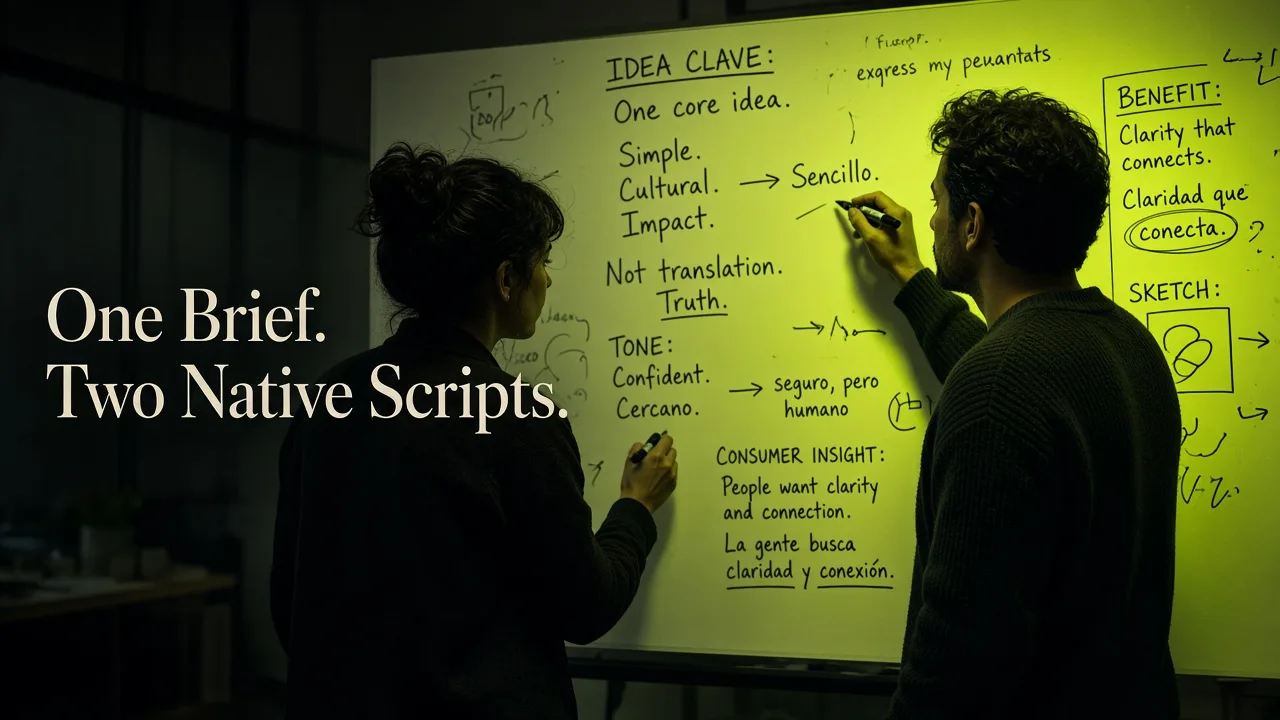
Built in parallel, not converted after the fact.
What's the difference between a translated ad and a bilingual campaign?
A translated ad starts as a finished creative idea in one language and gets converted into another. A bilingual campaign develops both language versions from the same brief simultaneously, with independent casting, scripting, and cultural adaptation for each audience.
Why can't a good translator fix a translated campaign?
Because the problems aren't linguistic — they're creative. Humor, pacing, casting signals, and cultural references need to be rebuilt for the audience, not converted word-for-word, and a translator working after creative is locked can't rebuild casting or restructure a script's timing.
How can a brand tell if its current agency is translating instead of creating bilingual work?
Ask whether the Spanish-language version was developed by the same senior creative team working in parallel with the English version, from the same brief, with its own casting and voiceover direction — or whether it was handed to a separate vendor after the English version was already finished.
A translated campaign and a bilingual campaign can use the exact same media budget and get completely different results.