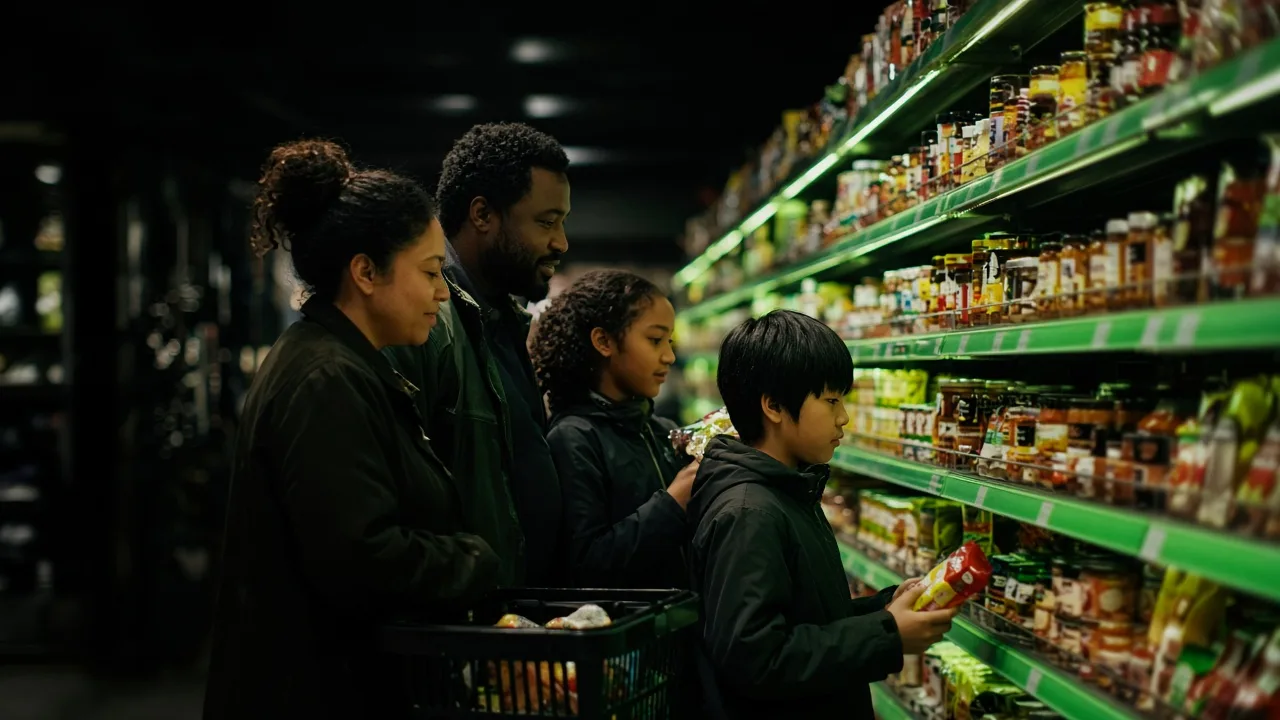
The Hispanic foods category has grown past $40 billion, but reporting on the category also shows per-household Hispanic grocery spending has plateaued even as retailers lean further into the segment. That gap between category-level growth and household-level spending is where most grocery and CPG marketing plans go wrong: they chase category size without asking why individual spend has stopped climbing.
On paper, the Hispanic foods category looks like one of the strongest growth stories in retail. The Shelby Report put the category above $40 billion in 2026, with consumer demand and M&A activity both accelerating. That's the number most brand decks lead with.
But category growth and household spending are not the same metric, and trade coverage has flagged that per-household Hispanic grocery spending has plateaued even as grocers invest more heavily in the segment. That's the detail brands miss when they build a plan off the top-line category number instead of the household-level behavior underneath it.
Category Growth Is Coming From Reach, Not Just Spend Per Shopper
When a category grows while per-household spend holds flat, the growth is coming from somewhere else — new shoppers entering the category, broader distribution, new product lines, or acquisitions expanding shelf space. That's exactly what's happening in Hispanic foods: M&A activity and new retailer commitment are expanding where and how the category is sold, while the existing core shopper's basket isn't necessarily growing.
That distinction matters for media and promotion planning. A brand optimizing purely for 'this category is growing, so increase media weight against existing loyal shoppers' is solving the wrong problem. The growth opportunity is in reach and distribution, not in squeezing more spend out of an already-engaged household.
- Separate category-level growth metrics from per-household spend data before setting a media or promotion plan.
- Treat new-shopper acquisition and new-distribution wins as a distinct KPI from loyalty-driven spend growth.
- Watch for M&A and private-label activity in the category — it changes shelf dynamics independent of consumer demand.
- Build creative that speaks to shoppers newly discovering the category, not only to loyal, long-time buyers.
- Audit where plateaued per-household spend might signal saturation in a specific sub-category, not the category overall.
What a Better Plan Looks Like
The brands getting this right are splitting their strategy in two: one track for growing the base through distribution, new-shopper media, and retail partnerships, and a separate track for deepening engagement with existing core shoppers through loyalty, recipes, and occasion-based marketing that doesn't depend on spend per trip going up.
That split requires genuinely bicultural creative and media planning — not a translated version of a general-market plan, but campaigns built from the shopper's actual relationship with the category, which varies significantly by generation, acculturation level, and region.
“A growing category and a plateaued shopper are two different stories — and most brand plans are only reading one of them.”
How Alerta! Builds Grocery & CPG Campaigns Around the Real Shopper Behavior
Alerta! works with CPG and grocery-adjacent brands to build campaigns that separate reach-building from loyalty-building from the start, rather than treating every multicultural shopper touchpoint the same way. That means distinct creative, distinct channels, and distinct success metrics for each goal.
It also means working from real shopper data and regional nuance rather than a single national Hispanic-market assumption — the shopper in a Texas H-E-B looks different from the shopper in a Miami Publix, and the media plan should reflect that.
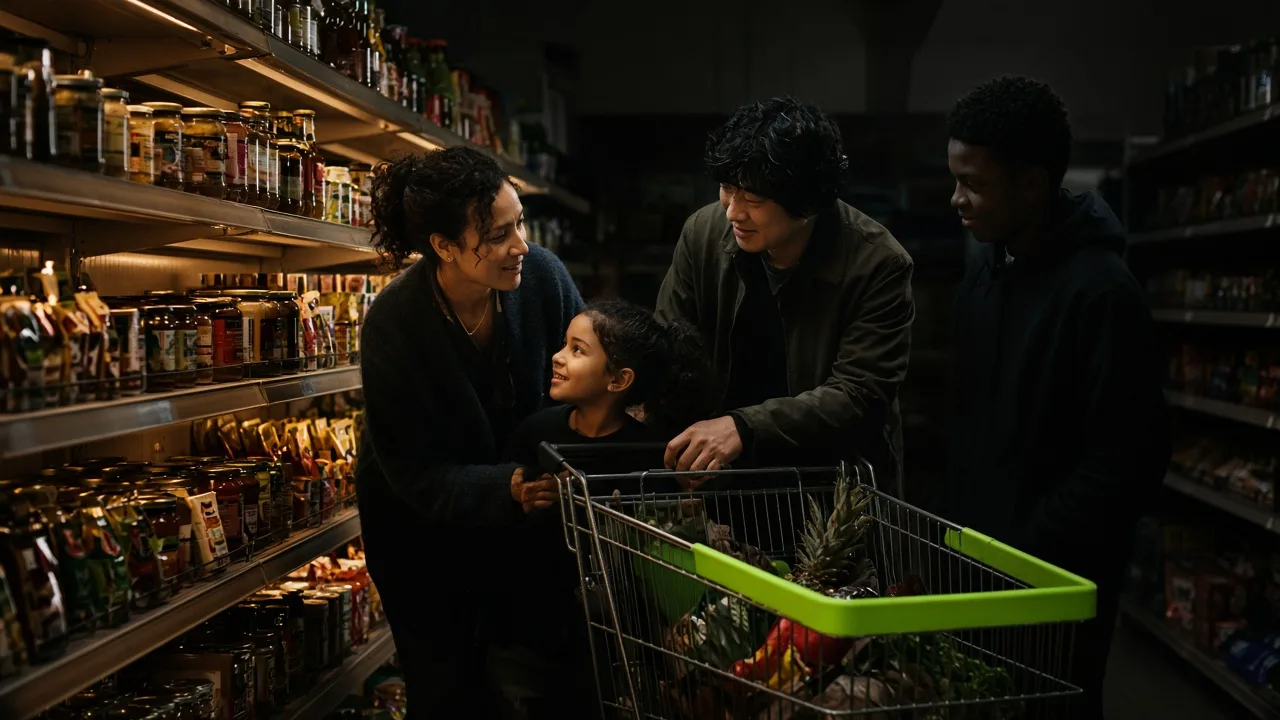
The $40B category is growing — the question is whether your plan is built for reach or just for loyalty.
Is the Hispanic foods category still growing?
Yes — it surpassed $40 billion in 2026 — but that growth is increasingly driven by new distribution and M&A activity rather than higher spending per existing household.
Should brands reduce investment if per-household spend has plateaued?
No — it means the investment should shift. Put growth-focused media against reach and new-shopper acquisition, and use loyalty and occasion marketing to protect and deepen the existing base.
Does this apply to all Hispanic grocery sub-categories equally?
No. Plateaus and growth vary by sub-category and region, which is why a single national assumption about Hispanic grocery spending tends to misfire.
Building a grocery or CPG plan that reads shopper behavior correctly?