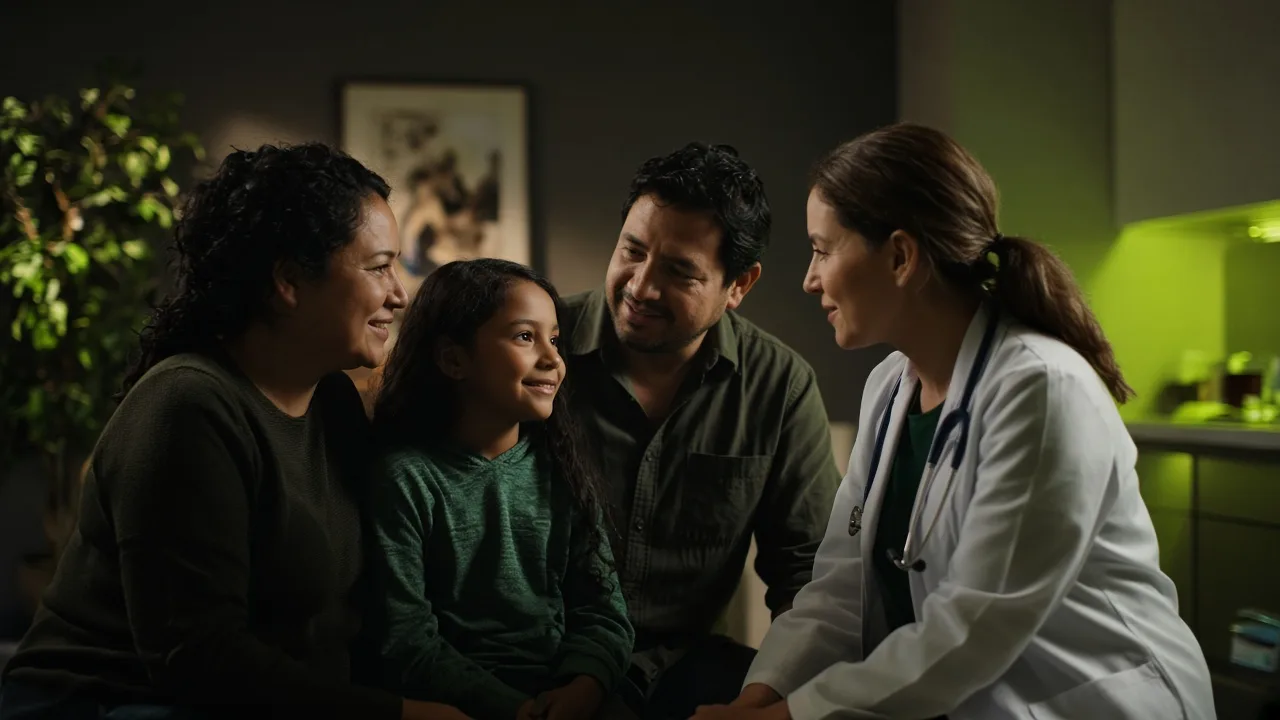
Hispanic patients represent one of the largest underserved opportunities in U.S. healthcare, but reaching them credibly takes more than translated collateral. Trust is built through cultural competence, family-inclusive messaging, and consistent bilingual presence across the entire patient journey — and healthcare brands that treat this as a revenue opportunity, not a compliance checkbox, are the ones earning it.
Healthcare marketing has a translation problem, but not the one most brands think they have. The industry has largely solved for language — Spanish-language collateral, translated intake forms, a bilingual line on the call center menu. What it hasn't solved for is trust, and in 2026, that gap is the actual barrier standing between healthcare brands and the more than 68 million Hispanic Americans who represent roughly 20% of the U.S. population and control an estimated $2.7 trillion in spending power. The distinction matters because translation and trust are solved by entirely different disciplines. Translation is a linguistic task. Trust is built through cultural competence — understanding that family involvement in healthcare decisions runs deeper in Hispanic households, that credibility is earned through community reputation as much as credentials, and that emotional triggers and persuasion patterns genuinely differ between English- and Spanish-language audiences. A healthcare brand that only translates is optimizing for comprehension. A healthcare brand that earns trust is optimizing for the decision itself.
Where Healthcare Marketing Still Falls Short
The gap between opportunity and execution in this category is stark. Despite the size and spending power of the Hispanic patient population, fewer than 10% of healthcare practices effectively market to them in Spanish, and the ones that do often stop at surface-level translation rather than culturally adapted messaging. That gap persists even though roughly 28.7% of Hispanic Americans report speaking English "less than very well" — a population that is actively searching for care information in a language most healthcare marketing simply doesn't speak to with any depth. The cost of that gap isn't just missed reach — it's misdirected assumptions. Persistent misconceptions still shape healthcare marketing strategy: that Hispanic patients are largely uninsured, that financial barriers dominate their care decisions, or that English-language media alone can reach this audience. The data tells a more nuanced story, and brands building strategy on outdated assumptions are underserving a population that, when engaged credibly, converts and stays loyal at rates worth building a dedicated strategy around.
- Translation adapts language; trust requires transcreation — adapting emotional triggers, tone, and cultural context, not just words.
- Family involvement in healthcare decisions is typically higher in Hispanic households, so messaging needs to speak to caregivers, not only the patient.
- Community reputation and word-of-mouth carry as much weight as clinical credentials in earning initial trust.
- Bilingual presence has to be consistent across the entire journey — website, intake, in-office, and follow-up — not just the ad creative.
- Spanish-language search and media are frequently under-invested relative to demand, leaving real reach on the table.
What Trust-Building Actually Requires
Earning trust with Hispanic patients starts with recognizing that healthcare decisions are rarely made by one person in isolation. Messaging that speaks only to "the patient" misses the adult children, spouses, and extended family members who are often part of the decision. Brands that build campaigns and materials acknowledging that dynamic — in imagery, in messaging structure, in the channels used — tend to see stronger engagement than brands running a single-audience playbook translated into Spanish. This is the lens Alerta brings to healthcare-vertical work, including its relationship with Essen Health Care. Rather than treating Spanish-language marketing as a translated version of an English campaign, the approach starts with the audience: culturally grounded creative, messaging built to address family decision-making, and a production process that reflects the communities being served rather than approximating them. It's a discipline, not a checkbox — and it's the difference between a healthcare brand that reaches Hispanic patients and one that earns their trust.
“In healthcare, language gets you understood. Trust gets you chosen.”
Building a Credible Long-Term Strategy
Healthcare brands serious about this audience in 2026 need to move past campaign-level thinking and toward infrastructure: bilingual content built natively rather than translated after the fact, culturally specific creative development from the brief stage forward, and consistency across every patient touchpoint so trust built in a campaign isn't undone by an English-only intake form. That consistency is what separates a marketing push from a genuine relationship with the community being served. The brands that treat this seriously aren't running a diversity initiative — they're closing a revenue gap that competitors are still leaving open. With so few healthcare practices marketing credibly to Hispanic patients today, the brands willing to build real cultural competence into their strategy now have a meaningful window to become the trusted name in their category before the rest of the market catches up.
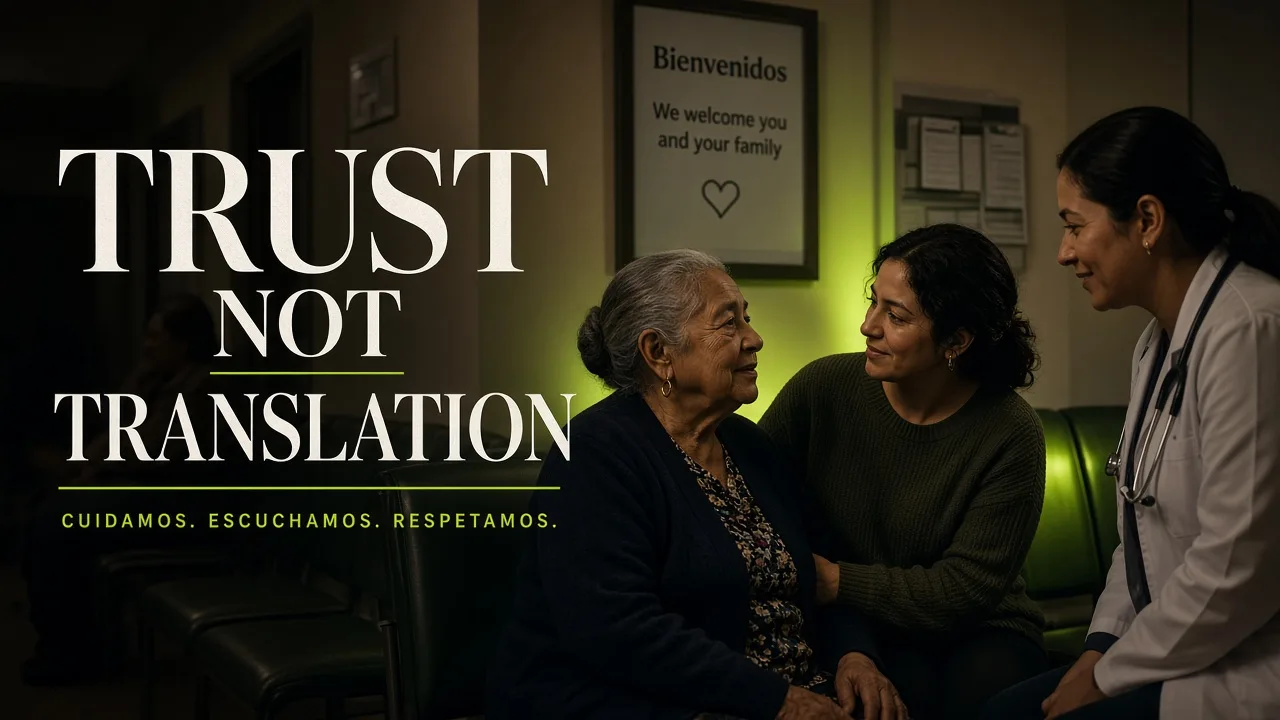
Healthcare decisions are family decisions — credible marketing has to speak to the whole room.
Is translating healthcare marketing materials into Spanish enough to reach Hispanic patients?
No — translation addresses language but not trust. Effective healthcare marketing to Hispanic patients requires transcreation: culturally adapted messaging, family-inclusive framing, and consistency across the entire patient journey, not just translated ad copy.
Why is family involvement important in healthcare marketing to Hispanic audiences?
Family involvement in healthcare decisions is typically higher in Hispanic households, meaning messaging that speaks only to an individual patient often misses the caregivers and family members who are actually part of the decision.
What's the biggest missed opportunity for healthcare brands marketing to Hispanic patients?
The biggest gap is treating this as a compliance or translation task rather than a genuine trust-building and revenue opportunity — fewer than 10% of healthcare practices market credibly to a population representing roughly 20% of the U.S. population and trillions in spending power.
Trust isn't translated — it's built, one culturally credible touchpoint at a time.