77% of U.S. Hispanic consumers say brands don't understand or resonate with their culture — not because brands aren't investing, but because three specific assumptions (treating the audience as a monolith, relying on translation instead of cultural strategy, and ignoring regional variation) are still baked into how most Hispanic marketing gets planned.
Hispanic marketing budgets have grown substantially over the past several years, yet the perception gap hasn't closed at the same pace. Recent research found that 77% of U.S. Hispanics feel brands do not understand or resonate with their culture — a striking number given how much media spend is now directed at this audience. The gap isn't about investment. It's about three assumptions that keep showing up in how that investment gets planned. Each of these assumptions is fixable, and none of them require a bigger budget — they require a different starting point for the creative and media strategy, one that treats the audience with the same specificity brands already apply to every other high-value segment.
The Three Assumptions Behind the Gap
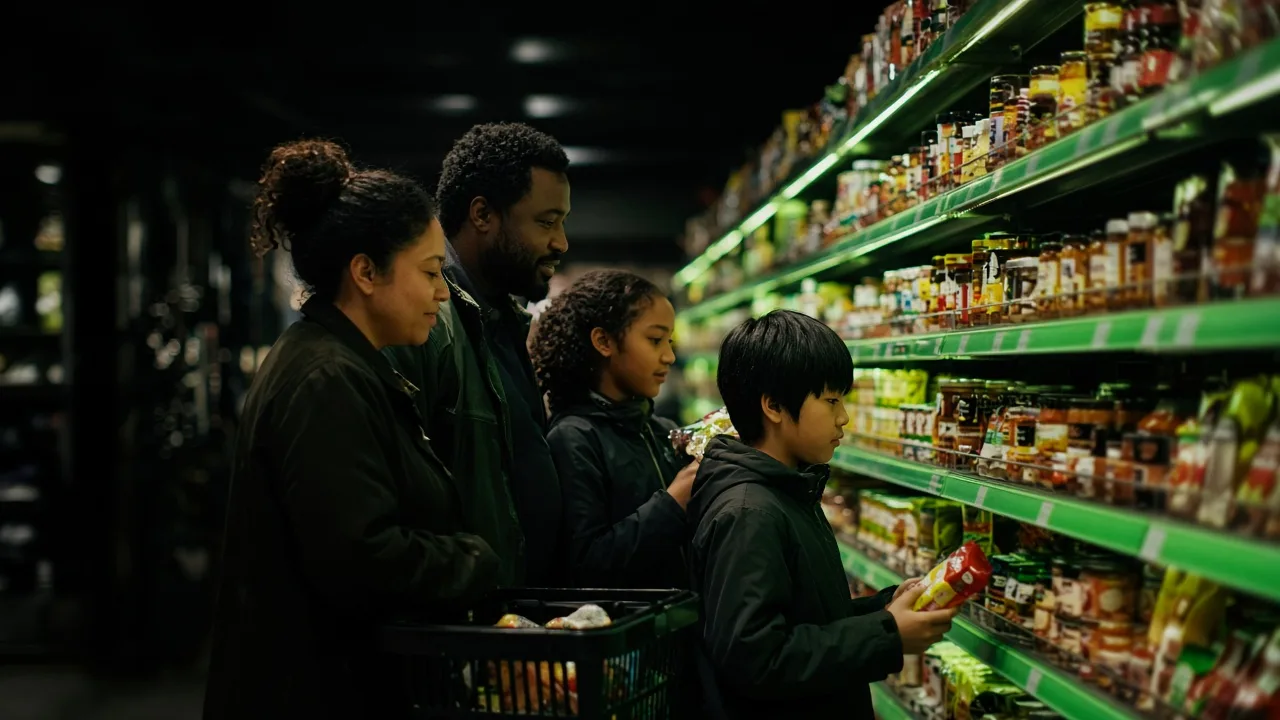
The first is treating Hispanic consumers as a single, uniform audience. In reality, the difference in purchasing behavior between a Mexican-American household in Texas and a Puerto Rican household in New York can be as significant as the difference between two entirely separate demographic segments — regional origin, generation, and language preference all shape behavior differently. The second is relying on Spanish-language translation as the primary strategy, rather than one tool within a broader cultural strategy. The third is underestimating the role younger, bilingual family members play as cultural and technological translators within multigenerational households — a dynamic that shapes purchase decisions in ways a single-audience media plan misses entirely.
- Treating Hispanic consumers as a monolith ignores meaningful regional and generational differences in behavior.
- Spanish-language translation alone doesn't substitute for a genuine cultural strategy.
- Younger bilingual family members often drive purchase decisions as cultural and technology translators within households.
- Traditional KPIs frequently miss the community-influence and multigenerational dynamics that actually drive loyalty.
- Regional nuance — Texas versus New York, for example — changes both messaging and channel strategy meaningfully.
What Closing the Gap Actually Requires
It starts with treating regional and generational segmentation as seriously as any other audience variable — building creative and media plans that account for the real differences between, say, a Miami Cuban-American household and a Los Angeles Mexican-American household, rather than a single Hispanic creative concept applied everywhere. It also means measuring differently. Traditional campaign KPIs built around individual conversion often miss the community-influence effect that drives real loyalty in Hispanic households — the way a recommendation moves through extended family and community networks. For a deeper look at the underlying growth numbers behind this opportunity, see Alerta's sister site, ushispanicmarketingdata.org.
“77% of Hispanic consumers say brands still don't get it. That's not an awareness problem. It's a strategy problem, and it's fixable.”
Where to Start Fixing It
Start with a regional and generational audit of the current strategy: does the creative account for regional variation, or does it assume one Hispanic audience? Does the media plan reflect how decisions actually move through multigenerational households, or does it target a single decision-maker? Brands that answer those questions honestly — and rebuild the strategy around the answers — are the ones closing the 77% gap instead of continuing to fund it.

Closing the perception gap starts with the strategy, not a bigger media budget.
What percentage of Hispanic consumers feel brands understand their culture?
Recent research found that 77% of U.S. Hispanic consumers feel brands do not understand or resonate with their culture, despite continued growth in media investment directed at this audience.
Is Spanish-language translation enough for effective Hispanic marketing?
No. Translation addresses language, not culture. Effective Hispanic marketing accounts for regional variation, generational differences, and the role of family and community influence — none of which a translation pass alone can fix.
Why does regional variation matter so much in Hispanic marketing?
Purchasing behavior, cultural references, and even language preference vary meaningfully by region and country of origin — a campaign built for a Mexican-American household in Texas may not resonate the same way with a Puerto Rican household in New York, even in the same language.
77% of Hispanic consumers say brands still don't get it. The fix isn't more budget — it's a different strategy.