
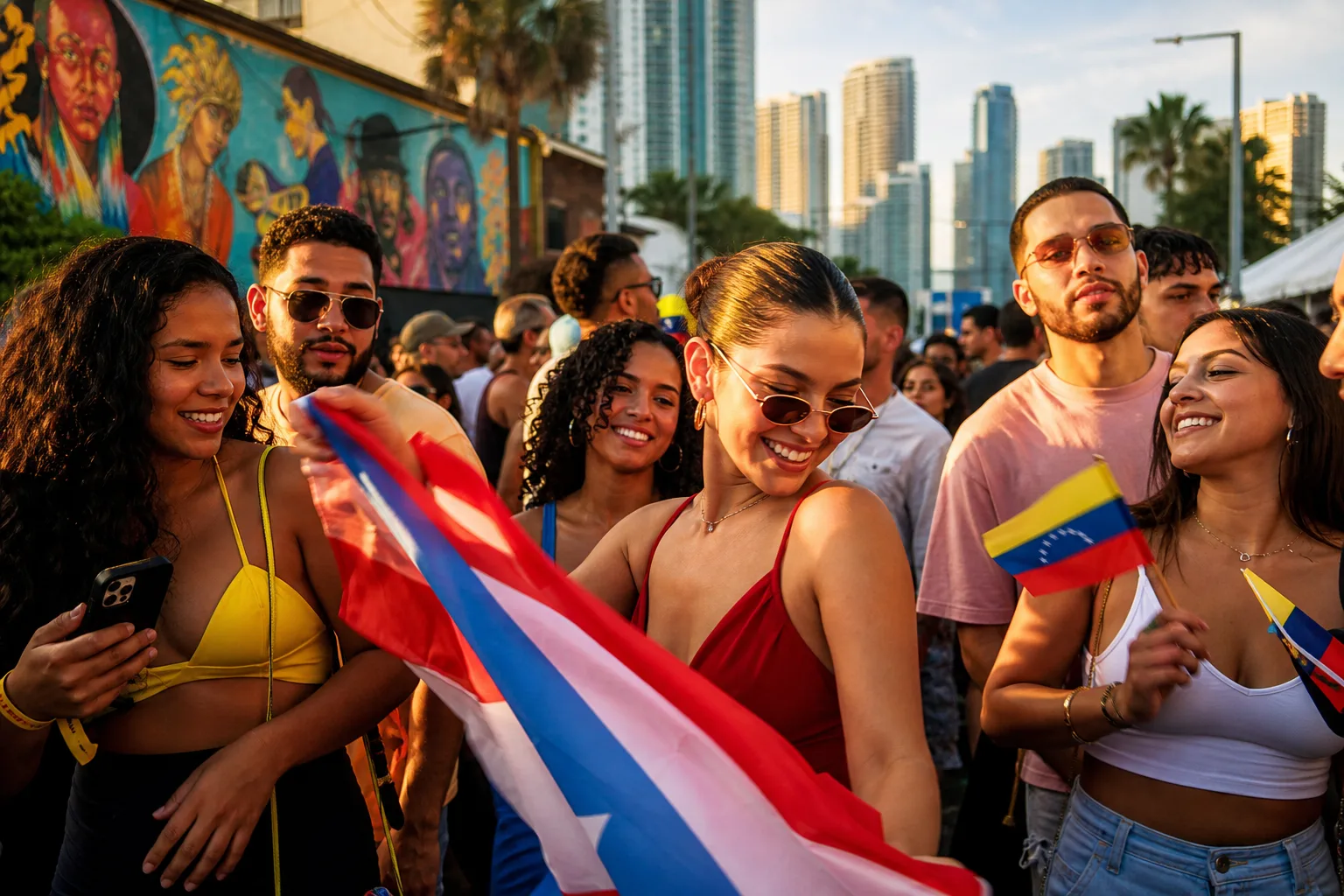
Florida's 6.3 million Hispanic residents represent the most diverse origin-group mix in any U.S. state — Cuban, Puerto Rican, Venezuelan, Colombian, Dominican, and more. A single Hispanic campaign does not work here. Precision does.
Every conversation about the U.S. Hispanic market starts in the same two places. California. Texas. And those conversations are not wrong — California has 16.1 million Hispanic residents, Texas has 12.1 million, and the numbers are real. But there is a third market that consistently gets treated as secondary, and it should not be. I live in Miami. I have built campaigns in this market for over two decades. Florida has 6.3 million Hispanic residents — nearly 30% of the state's total population. And what makes Florida unique is not just the size. It is the composition.
The Origin Group Diversity That Defines Florida
The Florida Hispanic market is unlike any other state in the country because of its origin group diversity. California's Hispanic market is heavily Mexican-American. Florida has no equivalent single-origin dominance — it is genuinely multi-origin at meaningful scale. Cuban Americans anchor South Florida — concentrated in Miami-Dade, with high purchasing power and decades of established brand loyalty. Puerto Ricans are the largest Hispanic group in Central Florida — the Orlando metro has one of the largest Puerto Rican populations outside Puerto Rico and New York. Venezuelan Americans are one of the fastest growing in South Florida — highly educated, high-income, and almost entirely underserved.
- Florida: 6.3 million Hispanic residents — nearly 30% of the state's population
- Cuban Americans: dominant in Miami-Dade, high purchasing power, decades of brand relationships
- Puerto Ricans: largest Hispanic group in Central Florida / Orlando metro
- Venezuelan Americans: fastest growing in South Florida, high income, brand-conscious
- Colombian, Dominican, Nicaraguan, and other communities: each with distinct profiles
Why Precision Matters More Here Than Anywhere Else
In California, a well-executed Mexican-American campaign can reach a significant portion of the Hispanic market. In Florida, that same approach misses the majority of the market entirely. The brands that perform in Florida understand that the Hispanic market here is not one audience. It is several — each with distinct cultural touchpoints, different language preferences, different media consumption patterns. Running one Hispanic campaign across Florida and calling it done is not a strategy. It is an assumption. And assumptions in this market are expensive.
“Florida is not a secondary Hispanic market. It is the most complex, most diverse, and most underserved one in the country.”
The Opportunity from the Inside
I have run this market from Miami for over 20 years. I have worked with brands trying to reach Cuban-American consumers in Coral Gables and Venezuelan professionals in Doral and Puerto Rican families in Kissimmee. The brands that win here come in with genuine curiosity about who they are actually talking to — not the ones that assume Florida Hispanics are a uniform block. 6.3 million people. More diverse than any other Hispanic market in the country. Most brands still treating it like a footnote. That is the opportunity — sitting right here, in plain sight, for any brand willing to look at the market the way it actually is.
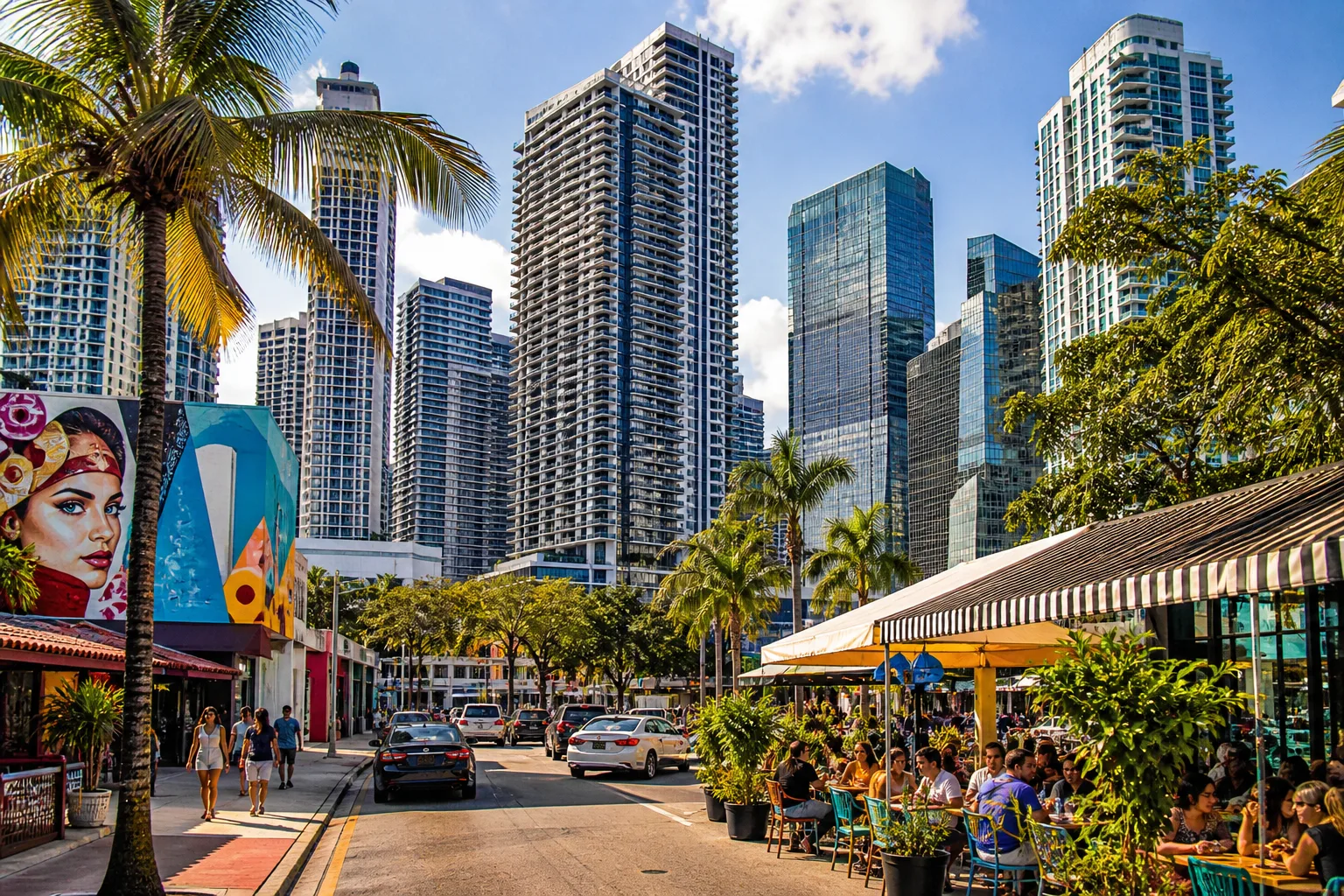
Miami alone contains multiple distinct Hispanic markets. Florida contains all of them.
How large is Florida's Hispanic market?
According to U.S. Census Bureau data, Florida has 6.3 million Hispanic residents — approximately 30% of the state's total population, making it the third largest Hispanic state in the country after California and Texas.
What makes Florida's Hispanic market different from California's or Texas's?
Composition. California is heavily Mexican-American. Florida has no equivalent single-origin dominance — it is genuinely multi-origin, with Cuban, Puerto Rican, Venezuelan, Colombian, Dominican, and other communities each representing meaningful scale with distinct cultural identities.
Why doesn't a single Hispanic campaign work in Florida?
Because Florida's Hispanic market is not a single audience. Cuban Americans in Miami-Dade, Puerto Ricans in Orlando, Venezuelan Americans in Doral, Colombian Americans in South Florida — each requires a different cultural approach, media strategy, and creative positioning.
Florida's Hispanic market is not secondary. It's six markets in one state — and most brands are missing all of them.