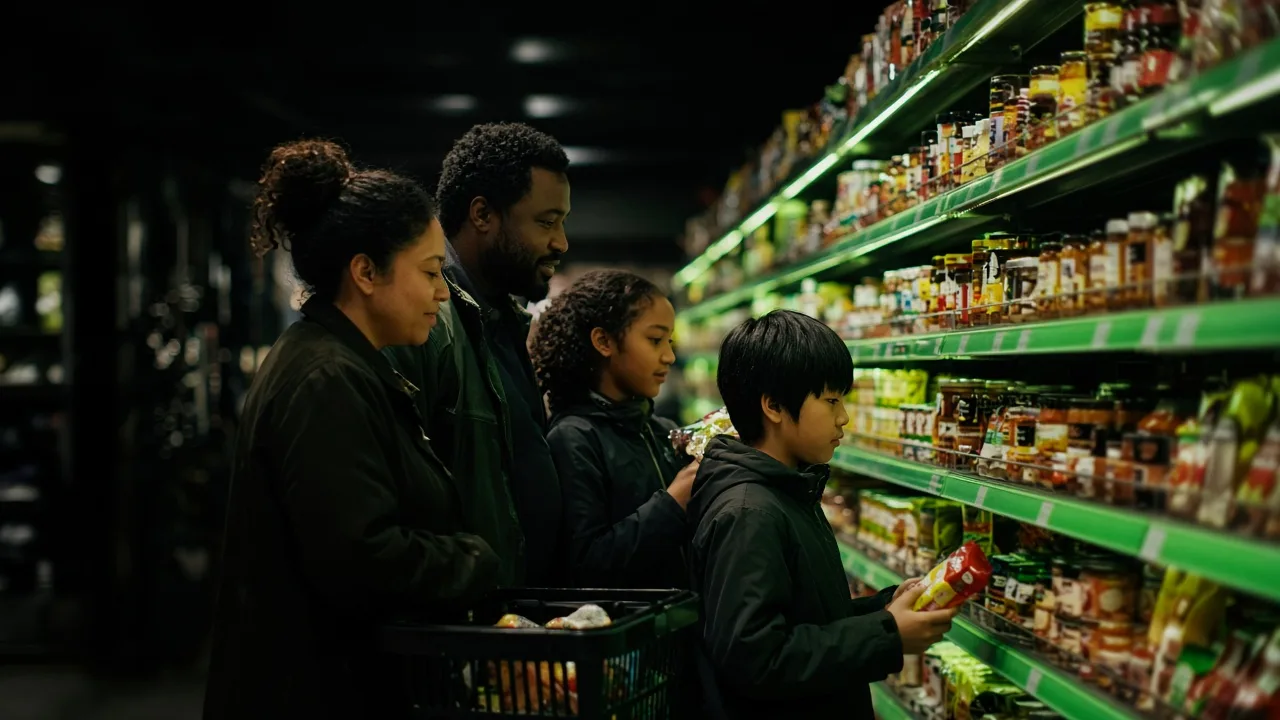
A CivicScience study found that by August, 38% of Hispanic adults had already started buying holiday gifts, compared with 25% of non-Hispanic adults, and Hispanic shoppers stayed ahead of the general market through October before the two groups converged in November (CivicScience). Hispanic consumers were also more likely to expect to spend more than the prior year, 37% versus 28% who expected to spend less, compared with just 21% of non-Hispanic adults planning to spend more. A media plan built around a Black Friday or Cyber Monday launch is arriving late for a meaningful share of this audience.
Holiday retail planning tends to assume one national timeline: media ramps in November, peaks around Black Friday and Cyber Monday, and tails off before Christmas. That timeline doesn't match Hispanic shopping behavior. A CivicScience study found Hispanic adults were already shopping well ahead of the general population by late summer, with 38% having started by August against 25% of non-Hispanic adults (CivicScience). The gap held through the fall before both groups reached similar levels in November.
The timing gap matters because it's paired with a spending gap. More Hispanic shoppers expected to increase spending year over year than the general market, 37% versus 21%, while fewer expected to cut back, 28% versus a larger share of non-Hispanic adults planning to spend less (CivicScience). Add in the scale of the opportunity: Hispanic buying power reached
Why the Standard Holiday Timeline Misses This Audience
Most Q4 media calendars are built off general-market behavior, which peaks around the big retail weekends. Hispanic households, particularly multigenerational ones balancing gift-giving traditions tied to both the US calendar and cultural or religious observances across the fall and winter, start earlier and spread spending across more weeks. A plan that only turns on in mid-November is targeting this audience after a meaningful share of their decisions, and dollars, are already committed.
Earlier shopping also means earlier research and consideration. If Hispanic consumers are comparison-shopping and planning gift lists in August and September, brand awareness and consideration media needs to run before the discount-driven November push, not alongside it. Waiting for Black Friday pricing to do the work means competing for attention after the decision-making window has already opened and, for many shoppers, started to close.
- Awareness and consideration media starting in late summer, not mid-November
- Budget weighted earlier in Q4 rather than concentrated on Black Friday week
- Creative built for a full season of gift occasions, not one discount weekend
- Native-language and native-Spanish creative live before the general-market campaign
- Measurement that tracks early-season engagement, not just Black Friday conversion
An Earlier Start Deserves Its Own Strategy, Not a Delayed Translation
Launching a general-market holiday campaign in English, then translating it into Spanish once the budget frees up in November, guarantees the Spanish-language version reaches Hispanic shoppers after the earliest and often most engaged part of their shopping window has already passed. A campaign built to launch earlier and natively in Spanish meets the audience when they're actually making decisions.
Deeper Hispanic market data, including year-round shopping behavior, media consumption, and spending patterns by category, is available through US Hispanic Marketing Data, Alerta's research arm dedicated to tracking how this audience actually behaves, rather than assuming it mirrors the general market on a delay.
“If your Hispanic-audience media starts in November, you launched after a third of your audience already did their shopping.”
Building a Q4 Plan That Starts On Time for Every Audience
A holiday media plan built for Hispanic consumers starts with the calendar this audience actually follows: earlier research and gift-list building in late summer, sustained spending through the fall, and continued activity into the traditional peak weeks rather than concentrated entirely within them. That calendar should drive budget pacing and creative production timelines, not just translation deadlines.
With Hispanic buying power approaching $2 trillion and still climbing, treating this audience as a late addition to the general-market plan is no longer a minor oversight, it's a direct cost. Brands that shift budget and creative production earlier in Q4, and build it natively rather than translating late, are the ones capturing spending that's already happening while competitors are still ramping up for Black Friday.

By the time Black Friday media launches, a third of this audience already started.
When do Hispanic consumers actually start holiday shopping?
A CivicScience study found 38% of Hispanic adults had started holiday shopping by August, compared with 25% of non-Hispanic adults, and the gap held through October before both groups converged in November.
Do Hispanic shoppers spend more during the holidays?
Directionally, yes. More Hispanic shoppers expected to increase holiday spending year over year than the general market, 37% versus 21%, while fewer planned to cut back.
Where can brands find deeper Hispanic consumer data to plan media timing?
Alerta's research site, US Hispanic Marketing Data, tracks shopping behavior, media consumption, and spending patterns specific to this audience year-round.
A third of your Hispanic audience already started holiday shopping. Is your media plan still waiting for Black Friday?