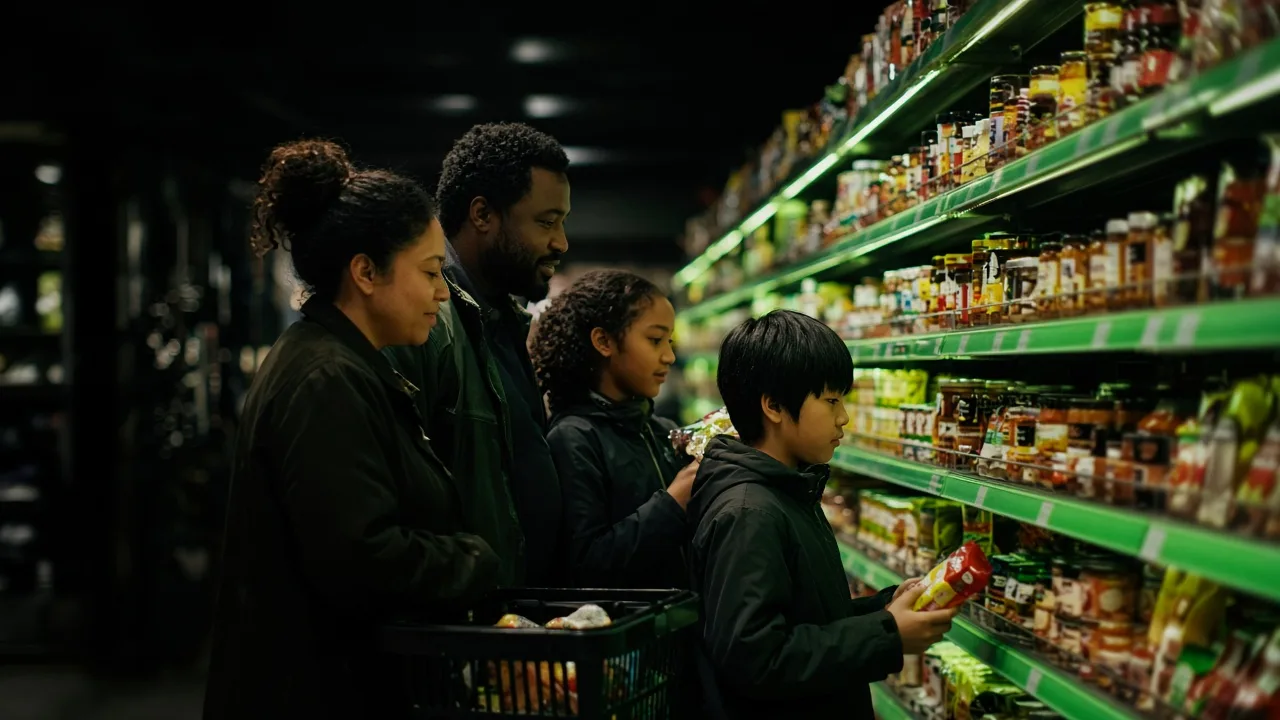
Hispanic households are unbanked at nearly five times the rate of non-Hispanic white households, 14% versus 3%, and underbanked at more than double the rate, 34% versus 15% (PaymentsJournal). Hispanic households are also 3.1 times more likely to rely on payday loans, a sign that mainstream financial products still aren't reaching them. The common fintech response, Spanish-language ads and a translated landing page, treats this as a language gap. The real gap is trust, financial literacy support, and a one-to-many approach that respects how Hispanic households actually make financial decisions: together, across generations.
Hispanic consumers make up roughly 63 million people in the US, the largest minority group in the country, and the opportunity in front of fintechs is enormous: Hispanic buying power reached
The numbers say that approach isn't working. Hispanic consumers are denied credit at a rate of 31%, and even when approved, 45% receive less than they requested (PaymentsJournal). Only 42% hold a prime credit score, compared with 60% of white consumers. These aren't awareness problems that a Spanish-language ad campaign fixes. They're product, trust, and relationship problems that require a fundamentally different approach to the market.
The Gap Fintechs Keep Missing
Fintech products are often built around an assumption of individual decision-making and baseline financial literacy that doesn't match how many Hispanic households actually operate. First-generation immigrants frequently arrived with limited financial vocabulary in Spanish and, in many cases, distrust of financial institutions shaped by experience in their home countries. Marketing that speaks only to an individual, in a single generic voice, misses the collective, cross-generational way financial decisions actually get made in these households.
That mismatch shows up in the data. Hispanic households overdraft 1.4 times more often than white households and are more than three times as likely to use payday loans, both signs that the products on offer don't fit the way this audience needs to manage cash flow (PaymentsJournal). A fintech that wants this market has to design for it, not just advertise to it.
- Spanish-language support carried through every touchpoint, not just the ad
- Messaging built for family and community decision-making, not one-to-one targeting
- Financial education woven into onboarding, not assumed as a baseline
- Products that address real barriers: credit access, overdraft design, remittances
- Bilingual, bicultural creative and media teams, not a translation vendor
Why "Translated" Isn't the Same as "Built For"
A campaign that starts in English and gets translated into Spanish carries English assumptions with it: English idioms, English product framing, and an implicit single-decision-maker household. A campaign created natively in Spanish, by a bicultural team that understands how first-generation, second-generation, and bilingual family members each relate to money differently, speaks to all three without flattening any of them into one audience.
McKinsey's research on Latino financial growth puts a number on the opportunity cost of getting this wrong: revenue from Latino savers and small businesses is projected to climb from about
“A translated campaign speaks Spanish. A native campaign understands the household making the decision.”
What Earning Trust Actually Looks Like
Alerta has worked across the fintech space, including with clients like MoneyLion, applying the same principle the agency uses across every multicultural vertical: campaigns are created natively in each language and audience segment, by creative and strategy teams who live inside that culture, rather than adapted after the fact from a single master version.
For fintech specifically, that means pairing native-language creative with product messaging that acknowledges real barriers, credit access, remittances, multigenerational saving, and financial education that treats the audience as capable rather than deficient. The fintech brands that close the trust gap in the next few years will be the ones that treat Hispanic consumers as a primary market to design for, not a secondary market to translate into.
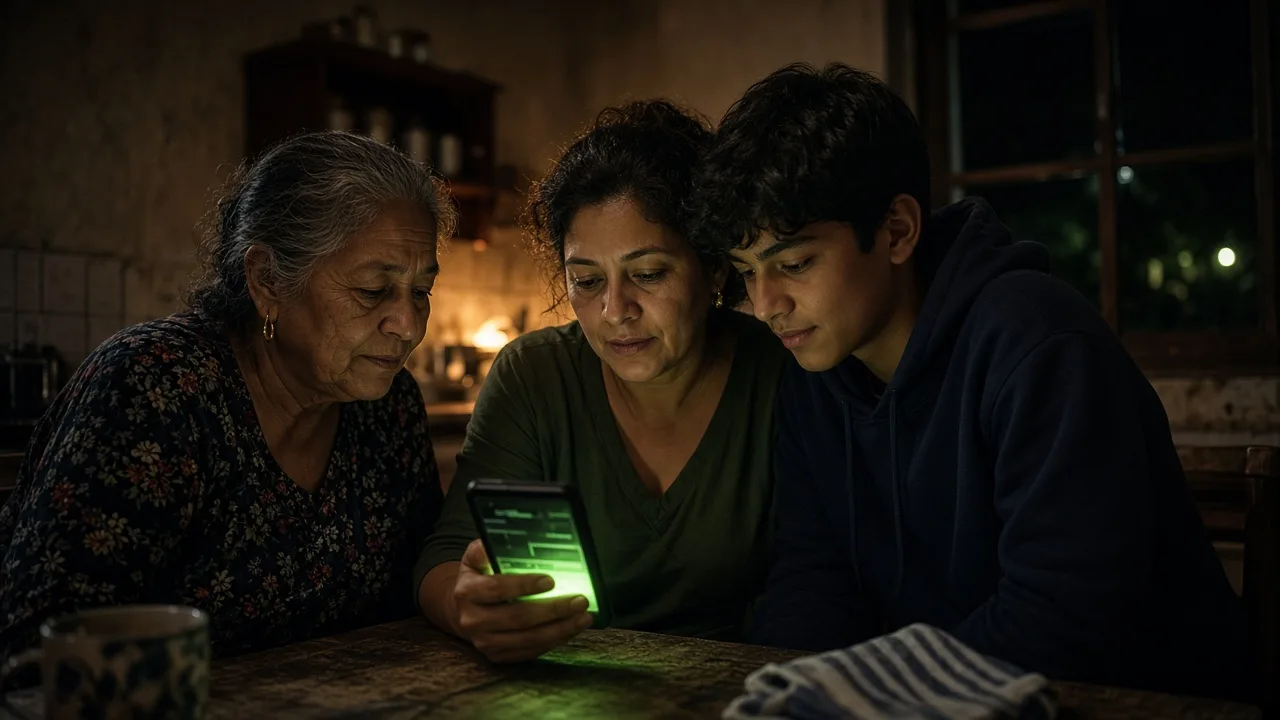
Financial decisions in Hispanic households are rarely made alone.
Why do so many fintech campaigns fail to reach Hispanic consumers?
Most fintech campaigns translate existing English creative into Spanish rather than building strategy natively for the audience, missing real barriers like credit access, trust in institutions, and the collective way many Hispanic households make financial decisions.
What's the actual size of the Hispanic consumer opportunity for fintechs?
Hispanic buying power reached
Does Alerta have experience in the fintech vertical?
Yes. Alerta has worked with fintech clients including MoneyLion, applying native-language, culturally specific creative and strategy rather than translated, one-size-fits-all campaigns.
The largest minority group in the US is still waiting for a fintech brand built for them, not translated for them.