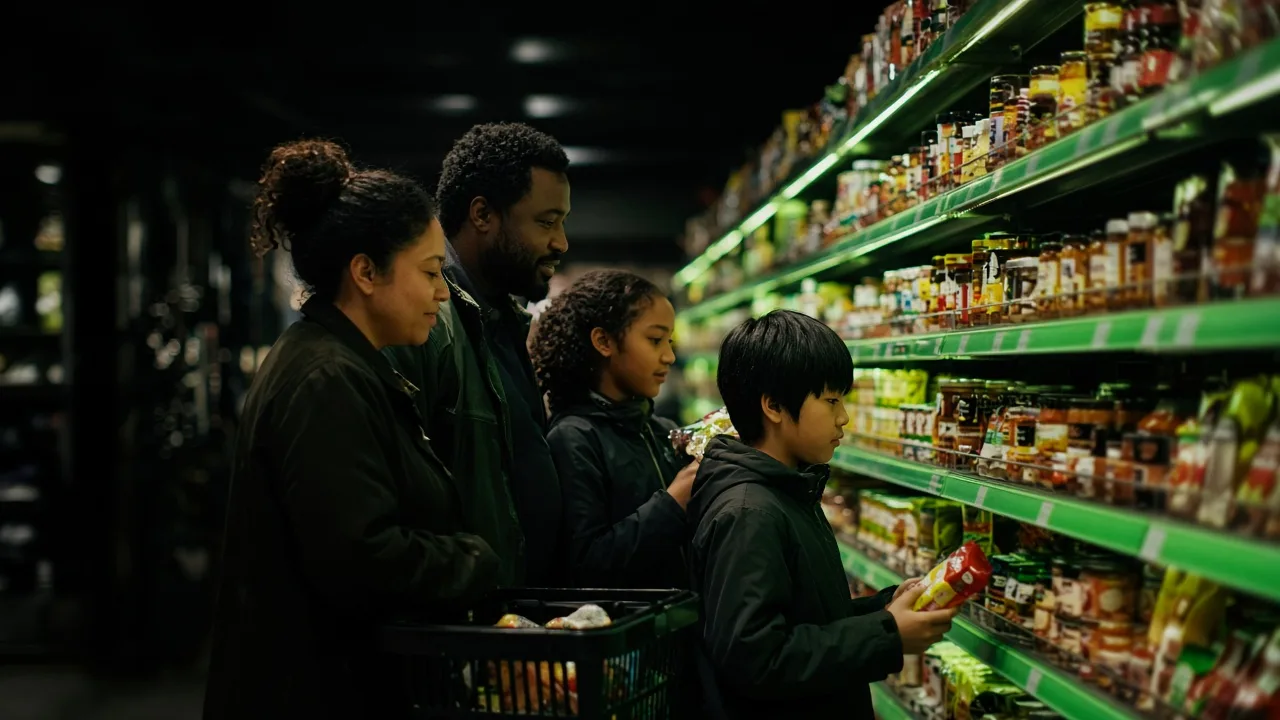
66.3 million Hispanic Americans represent 20% of the U.S. population and spend nearly $70,000 per household annually — yet most brands still treat this market as a secondary initiative rather than the primary growth opportunity it actually is.
There is a market hiding in plain sight in the United States. It represents one in five Americans. It spends nearly $70,000 per household annually. It has grown faster than any other consumer demographic for over a decade. And most brands are still treating it like a footnote. The U.S. Hispanic market is not an emerging opportunity. It is an existing one — and the gap between what the data says and what brands actually do about it is one of the most expensive blind spots in American marketing today.
The Numbers Brands Don't Want to Face
The data comes straight from the U.S. Census Bureau American Community Survey and the Bureau of Labor Statistics — official government sources, updated annually. 66.3 million Hispanic Americans live in the United States today. That's 20% of the total population. Those 66 million people spend an average of $69,700 per household every year. That's only about 12% below the national household average — far smaller than most brand strategists assume. And since 2012, Hispanic consumer spending has grown 64.7%. The national average over the same period? 50.2%.
- 66.3 million Hispanic Americans — 20% of the U.S. population
- $69,700 average annual household spending — only 12% below the national average
- 64.7% growth in Hispanic consumer spending since 2012 — vs. 50.2% nationally
- Median age of 27.5 — the youngest major demographic in the country
- 74% of Hispanic Spanish speakers are fully bilingual
The Perception Problem That's Costing Brands Millions
Most brands know these numbers exist. The problem isn't information — it's how this market gets categorized internally when budget decisions are made. Hispanic marketing gets filed under diversity and inclusion. It gets treated as a community initiative, a PR move, a box to check during Hispanic Heritage Month. The median age of a Hispanic American today is 27.5 years old — the youngest major demographic in the country. Brands spending millions chasing Gen Z are already inside this market. The question is whether they're showing up in a way that actually connects.
“66 million people. $69,700 per household per year. Still called a niche. The most expensive blind spot in American marketing.”
The Strategic Window
The opportunity in the U.S. Hispanic market is not coming. It's already here. The brands winning right now stopped treating this as a secondary initiative and started treating it as a primary growth strategy — built around real data instead of assumptions. The window is still open. But it won't stay open indefinitely. Every year a brand waits, the cost of earning market share in this segment goes up — because early movers are compounding the loyalty they built when the field was clearer.

The data is public, government-sourced, and updated annually. The only thing missing is brands willing to act on it.
How big is the U.S. Hispanic market really?
66.3 million people — 20% of the total U.S. population. Average household spending is $69,700 per year, only 12% below the national average. Hispanic consumer spending has grown 64.7% since 2012, outpacing the national average of 50.2% by 14 points.
Why do most brands underestimate the Hispanic market?
The most common mistake is categorizing Hispanic marketing as a diversity initiative rather than a growth strategy. This leads to underinvestment, generic campaigns, and missed revenue from one of the fastest-growing consumer segments in the country.
What's the best first step for a brand that wants to reach Hispanic consumers?
Start with real data — not assumptions. Understand the demographic profile of your specific target: age, origin group, language preference, geography. A strategy built on Census and BLS data performs significantly better than one built on stereotypes.
The market is here. The data is clear. The only thing missing is your brand.