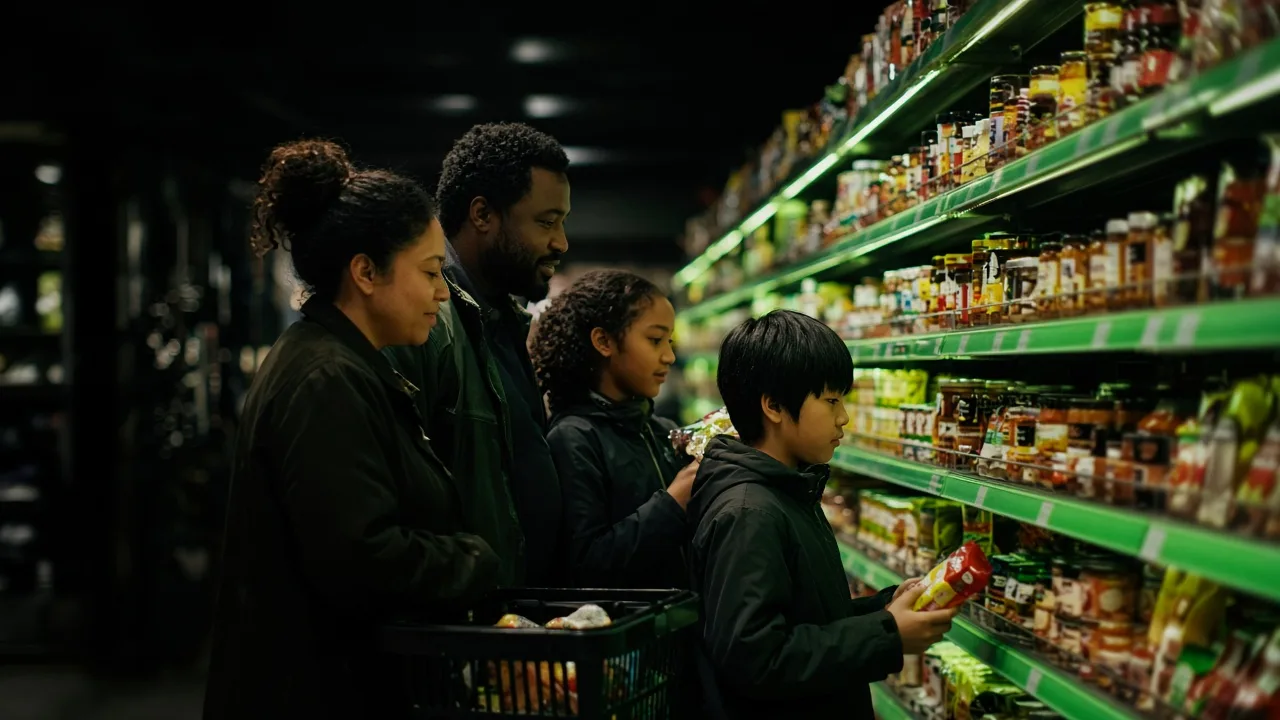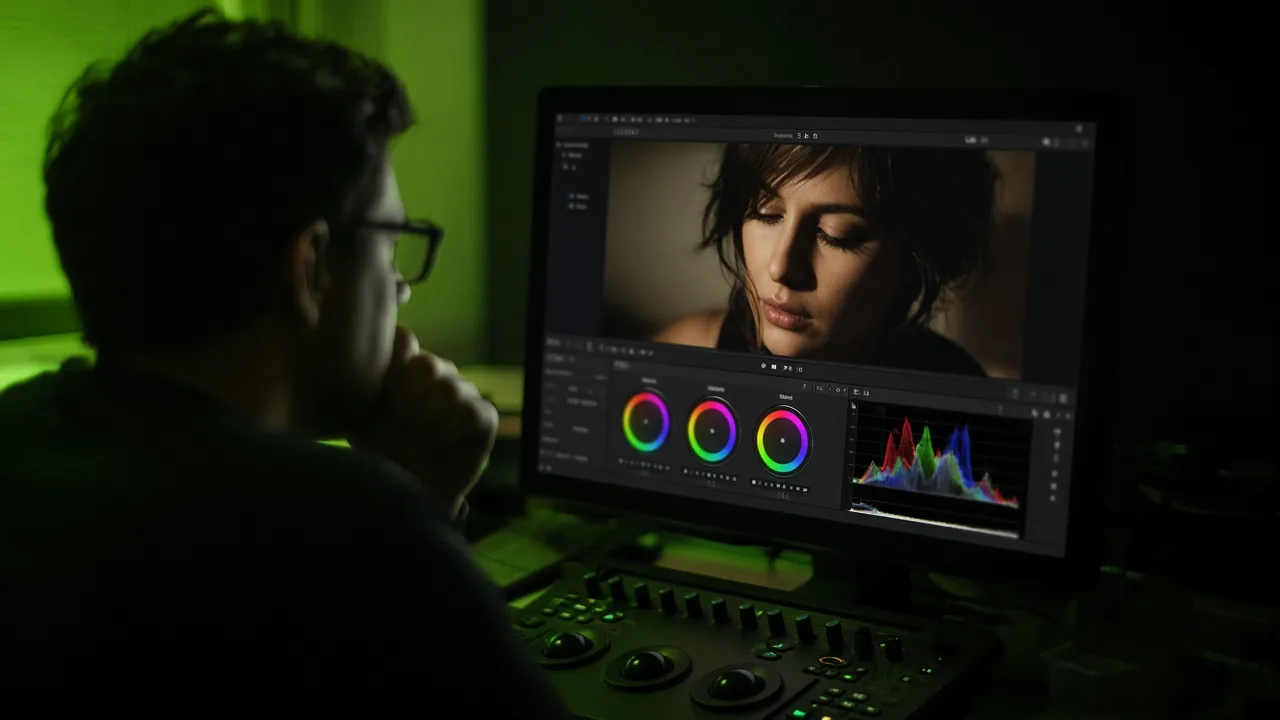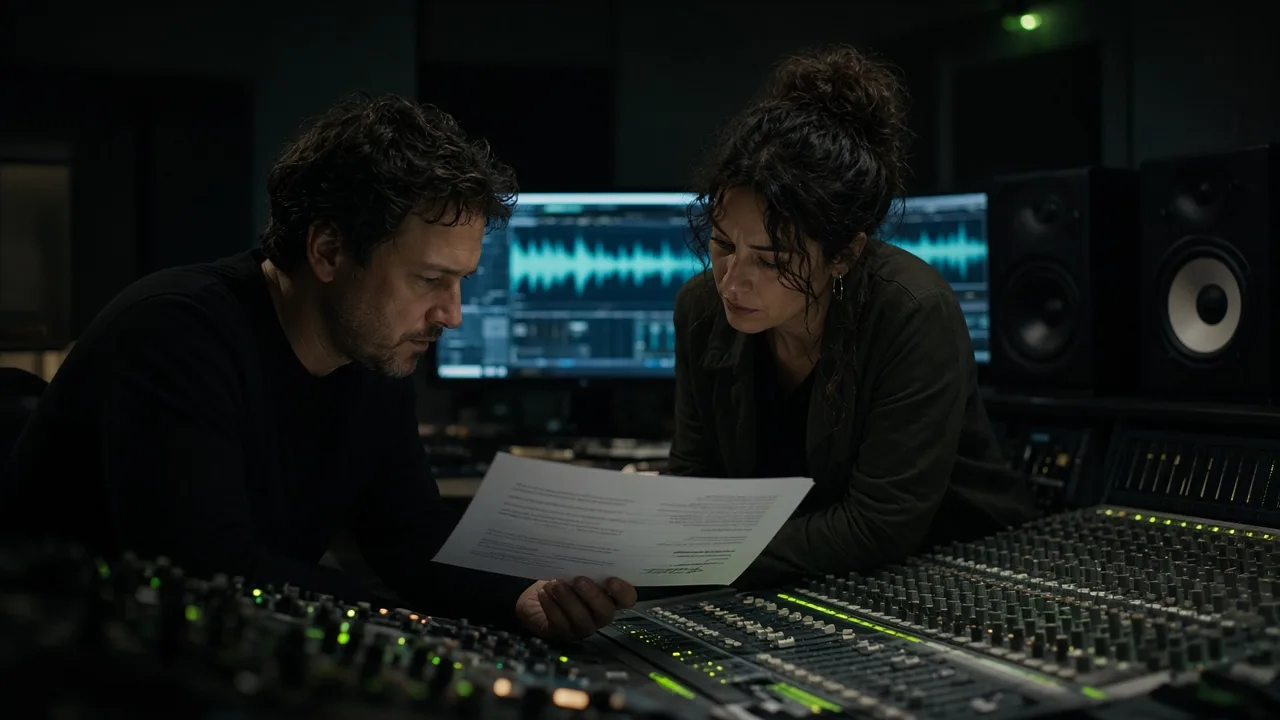
Brands spend heavily on authentic casting and bilingual copywriting, then license generic stock music that undercuts both. Music licensing decisions in 2026 are increasingly treated as a cultural-authenticity checkpoint, not a budget line item — and the agencies getting it right are building music sourcing into the creative brief, not the post-production afterthought.
A commercial can cast real community members, write copy in native Spanish, and shoot on location — and still feel hollow if the music underneath is a generic “world music” stock track licensed for cost, not cultural fit. Music is one of the fastest cultural signals an audience registers, often faster than visuals or copy, which makes it a strange place for so many otherwise-careful productions to cut corners.
The 2026 music licensing landscape has also gotten more complex, not simpler: sync licensing costs and rights structures are shifting as streaming and short-form platforms change how commercial music gets sourced and cleared, and AI-generated music tools are entering the market with their own emerging rights questions. For agencies producing multicultural work, that complexity is exactly why licensing decisions need a specialist at the table early.
What Generic Stock Music Actually Signals
Stock music libraries are built for broad licensing appeal, which by design means they avoid anything too culturally specific. That’s useful for a generic corporate explainer video. It’s a liability for a campaign built around authentic representation of a specific community, because the audience the campaign is trying to reach can usually tell the difference between music made for them and music licensed at them.
The fix isn’t necessarily a bigger music budget — it’s treating music sourcing as part of the cultural authenticity review, alongside casting and copy, rather than a production-phase checkbox handled after creative decisions are already locked.
- Bring a music supervisor or licensing specialist into the creative brief stage, not post-production
- Evaluate stock and library tracks the same way you’d evaluate casting — for authenticity, not just mood and tempo
- Budget for original composition or region-specific artist licensing on flagship multicultural campaigns
- Understand sync licensing terms before locking a cut — rights structures for short-form and streaming use differ from traditional broadcast
- Treat AI-generated music tools as an emerging option with real rights and authenticity questions, not a free shortcut
The Craft Argument, Not Just the Compliance Argument
There’s a compliance reason to get music licensing right — cleared rights, documented usage terms, no post-launch takedown risk. But the stronger argument is creative: music is doing real narrative work in a spot, setting pace, emotional register, and cultural context before a single line of dialogue plays.
Agencies producing bilingual and multicultural work increasingly treat the music brief as its own creative document, with the same level of cultural specificity as the casting brief — not a placeholder to be filled with “something upbeat and Latin-flavored” in the edit bay.
“An audience hears the music before it reads the copy. Get that wrong and nothing after it fully recovers.”
Where This Is Heading in 2026
The licensing landscape is shifting under production teams’ feet — sync rights on short-form platforms, evolving streaming-era licensing models, and AI music generation tools are all changing how commercial music gets sourced and cleared. Agencies that build a real relationship with music supervisors and licensing specialists, rather than defaulting to whatever stock library their edit software bundles, are better positioned as that landscape keeps moving.
For multicultural production specifically, that also means building relationships with region- and culture-specific composers and artists directly, rather than relying entirely on general-market stock catalogs that weren’t built with a specific audience in mind.
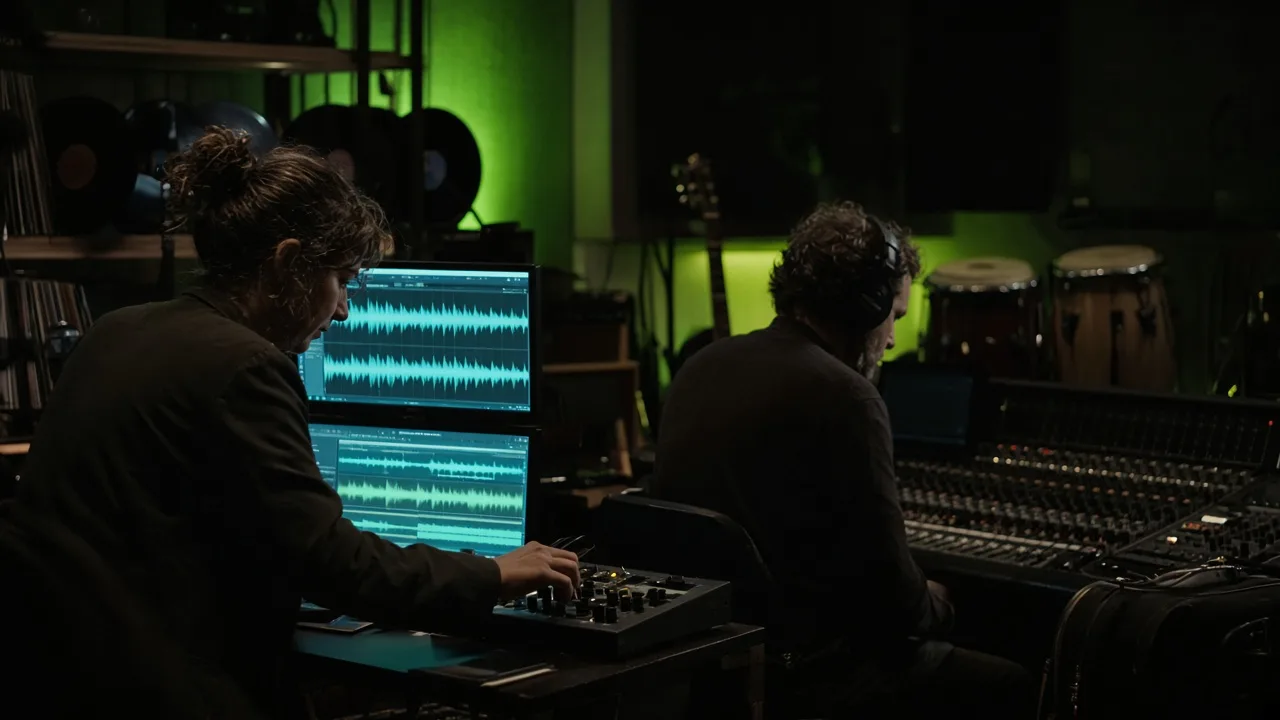
The music brief now gets the same scrutiny as the casting brief.
Why does music licensing matter as much as casting for multicultural campaigns?
Music is often the fastest cultural signal an audience registers in a commercial, sometimes faster than visuals or copy. Generic stock music can undercut authentic casting and bilingual copywriting if it doesn’t match the cultural specificity of the rest of the production.
Is licensing original or region-specific music always more expensive than stock?
Not always, and the gap has narrowed as more region-specific composers and artists license directly. For flagship multicultural campaigns, many agencies now budget for it as a core creative line rather than an optional upgrade.
How is AI-generated music affecting commercial licensing in 2026?
AI music generation tools are entering the market with emerging and still-unsettled rights questions. Most agencies treat them as a tool worth evaluating case by case rather than a default replacement for licensed or original music.
Producing a multicultural campaign where every element — including the music — needs to actually sound like the audience it’s for?