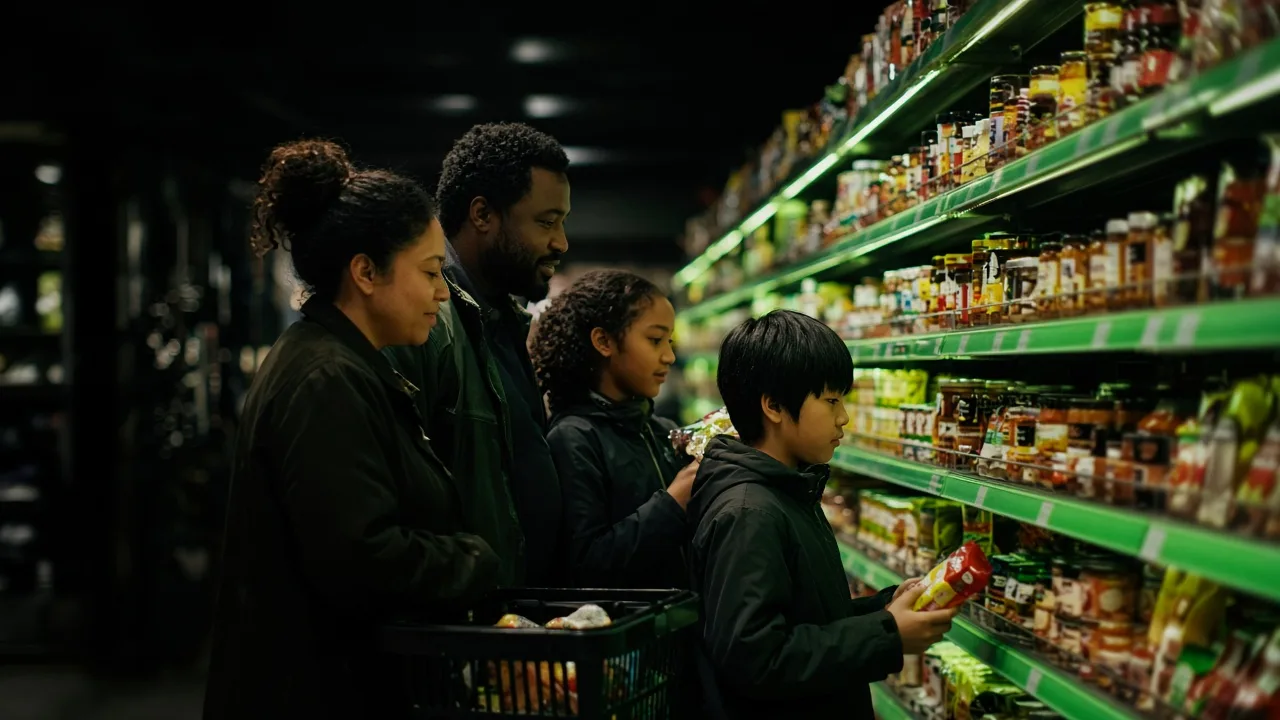
The latest UGA Selig Center research put combined minority buying power at $3.9 trillion, with Hispanic consumers representing the largest single share of that multicultural economy — yet most brand media budgets still allocate a smaller share to multicultural audiences than those audiences represent in population or spending power. Closing that gap is one of the more reliable growth levers left on the table in 2026.
Buying power data gets published every year, gets cited in a few trade articles, and then rarely changes the actual media plan. That disconnect is the real story in 2026: brands are not short on data proving multicultural audiences are a growth engine. They’re short on budget mechanisms that translate that data into proportional media investment.
The exact figures deserve a caveat. The UGA Selig Center’s latest combined minority buying power estimate of $3.9 trillion spans all minority groups, not Hispanic consumers alone — but multiple independent analyses consistently place Hispanic buying power in the $2.8–3 trillion-plus range on its own, the largest single segment of that multicultural total. Whichever figure a brand anchors to, the direction is the same: buying power has been growing faster than most media allocations have kept pace with.
Where the Gap Actually Shows Up
The gap rarely shows up as a single missing line item. It shows up as a media plan that allocates multicultural spend proportional to a population estimate from several years ago, rather than current growth data — or as a “general market” budget that assumes English-language, general-audience creative reaches everyone efficiently enough that dedicated multicultural investment is optional rather than core.
It also shows up in measurement: brands that don’t track share of voice or media investment by audience segment can’t see the gap even when it exists, because their reporting was never built to surface it.
- Audit current media allocation against current population and buying-power data, not a legacy planning assumption
- Track share of voice by audience segment as a standing media KPI, not a one-time audit
- Treat multicultural media investment as a growth line in the plan, not a diversity or compliance line
- Separate “translated general-market media” spend from genuinely dedicated multicultural media investment in reporting
- Revisit budget splits annually against fresh buying-power and demographic data, since the gap moves each year
Why This Is a Growth Question, Not a Values Question
Framing multicultural media investment primarily as a values or representation issue has made it easier for some brands to treat it as optional in a tight budget year. Framing it as a growth question — where is buying power growing fastest, and is media spend growing with it — makes the case harder to deprioritize, because it’s the same logic used to justify any other spend shift.
This is also where Alerta’s own data work overlaps directly with its creative work: the Hispanic market data Alerta tracks isn’t just a research exercise, it’s the input that should be driving the budget conversation before the creative conversation starts.
“Buying power moved years ago. Most media plans are still budgeting for where the audience used to be.”
What Closing the Gap Looks Like in Practice
Closing the gap doesn’t require abandoning general-market strategy — it requires treating multicultural media investment as proportional to actual buying power and growth trajectory, reviewed on the same annual cycle as the rest of the media plan, not left to whatever’s left over after the primary budget is set.
Brands that have made this shift tend to start with the audit, not the creative: understanding exactly where the current gap sits before commissioning new campaigns, so the media plan and the creative plan are solving the same problem instead of two different ones.
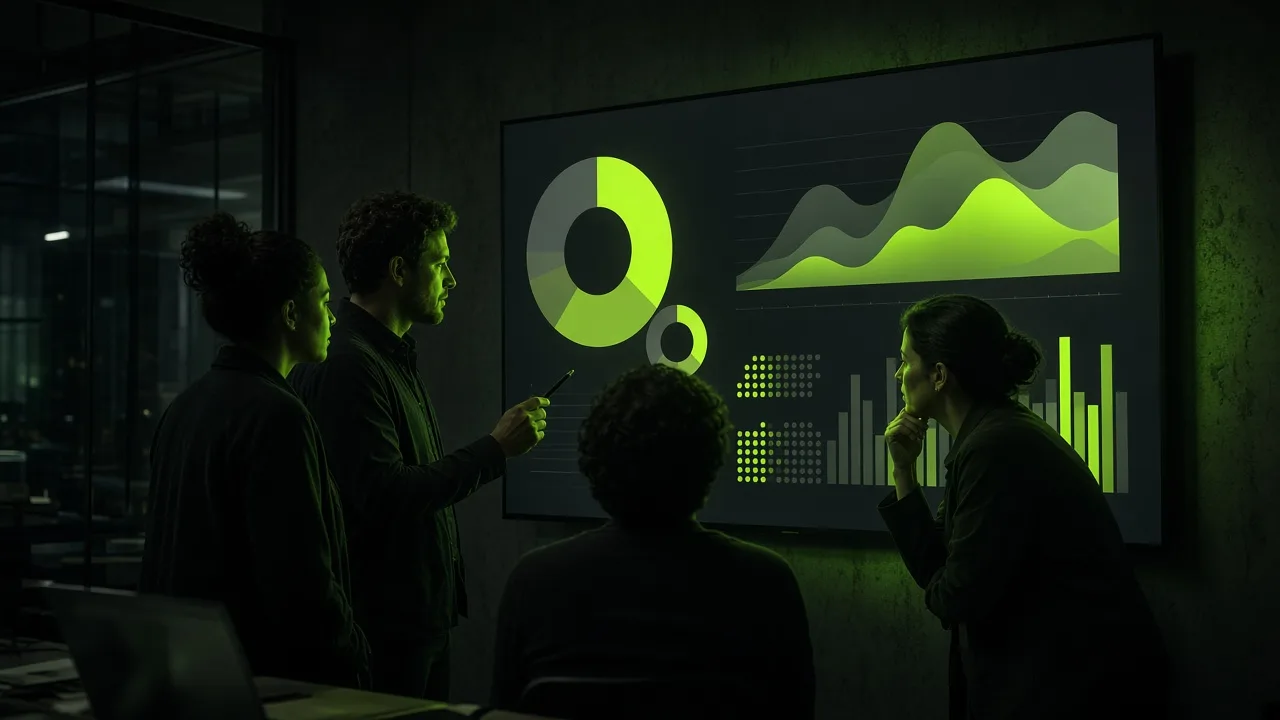
The gap between buying power and ad spend is visible in the data long before it shows up in results.
What is the current estimate for Hispanic buying power in the U.S.?
The UGA Selig Center’s latest Multicultural Economy report puts combined minority buying power at $3.9 trillion, with Hispanic consumers representing the largest single share. Independent analyses generally place Hispanic-specific buying power in the $2.8–3 trillion-plus range.
How can a brand tell if its media budget has a multicultural gap?
Audit current media allocation by audience segment against current population and buying-power data, and track share of voice as a standing KPI rather than a one-time check. Most gaps are visible once that comparison is made directly.
Is closing the media budget gap primarily a values decision?
It can be framed that way, but the stronger business case is growth: multicultural buying power has grown faster than many media budgets have kept pace with, making proportional investment a growth lever rather than an optional add.
Want to see where your current media plan actually sits against 2026 multicultural buying-power data?