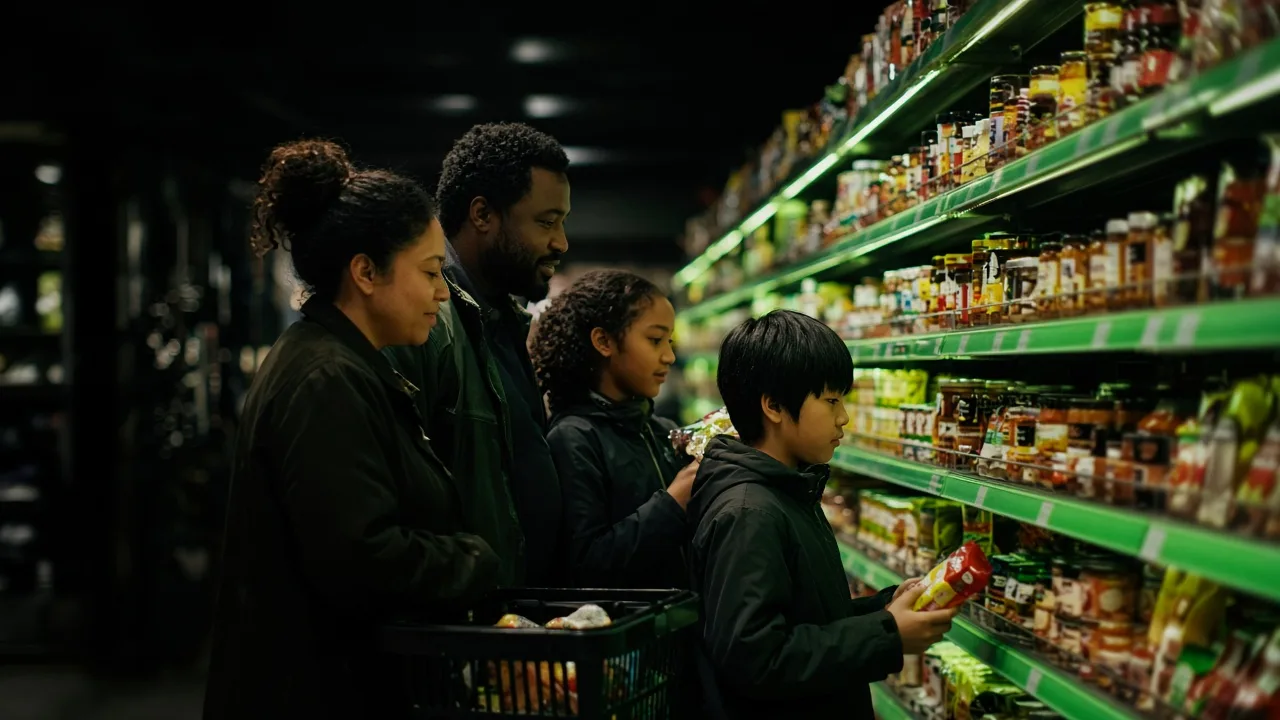
U.S. Hispanic purchasing power has grown enormously over the past decade, with recent estimates ranging from roughly $2.8 trillion to over $3 trillion depending on the source and methodology used. What hasn't scaled at the same pace is how many brands have actually restructured budgets, teams, and product decisions to match that growth, rather than treating it as a seasonal campaign line item.
Every year brings a new headline number for Hispanic purchasing power, and every year that number is used to justify one more standalone campaign rather than a structural shift in how a brand operates. The gap between the size of this market and how brands are organized to serve it is one of the more persistent blind spots in American marketing. In 2026, that gap is getting harder to defend. Hispanic consumers are driving outsized shares of growth in categories from retail to streaming to financial services, and brands that continue to treat this audience as a media-targeting exercise rather than a business priority are ceding share to competitors who've made the structural change.
WHAT THE 2026 NUMBERS ACTUALLY SHOW
Estimates of U.S. Hispanic purchasing power vary by source and year, generally landing in the range of $2.8 trillion to over $3 trillion in recent analyses, a figure that has grown consistently faster than the general market for over a decade, according to Selig Center-derived multicultural economy research. That growth isn't evenly distributed across geography or category, either. Retail, food and beverage, financial services, and streaming media are all seeing Hispanic consumers contribute disproportionate growth relative to their population share, which means the categories where brands are slowest to adapt are often the ones losing the most ground.
- Purchasing power growth has consistently outpaced the general market for over a decade
- Growth is concentrated in specific categories: retail, food and beverage, financial services, streaming
- Younger, bicultural, and bilingual segments are driving a disproportionate share of that growth
- Regional growth is shifting toward states beyond the traditional "big three" of Texas, California, and Florida
- Brands with structural investment (not just campaign spend) are seeing that growth convert to share
WHY STRUCTURE MATTERS MORE THAN SPEND
A brand can increase its Hispanic media budget every year and still lose ground if the underlying product, pricing, and distribution decisions aren't made with that audience in mind. Media amplifies a strategy; it doesn't replace one. The brands actually converting this growth into share have moved multicultural strategy out of a single campaign line and into product development, retail strategy, and customer experience, treating it as a market opportunity on par with any other major growth segment rather than a cultural-relevance exercise.
“A bigger media budget can't fix a business that wasn't built for the market it's trying to win.”
WHAT THIS MEANS FOR PLANNING BEYOND 2026
For brands still treating Hispanic marketing as a seasonal or campaign-based line item, the 2026 numbers are a signal to reassess where this audience actually sits in overall business planning, not just media planning. That reassessment doesn't require abandoning targeted campaigns; it requires connecting them to product, pricing, and distribution decisions that were made with this audience's real preferences and scale in mind from the start, which is a fundamentally different, and more durable, kind of investment.
The market scaled years ago. The question is whether brand structures did too.
How big is U.S. Hispanic purchasing power in 2026?
Estimates vary by source and methodology, generally ranging from roughly $2.8 trillion to over $3 trillion in recent analyses. What matters more than the exact figure is the consistent, above-market growth rate behind it.
Why do brands with strong Hispanic media spend still lose market share?
Because media amplifies a strategy but can't fix product, pricing, or distribution decisions that weren't made with that audience in mind. Structural misalignment shows up as flat conversion even when campaign reach looks strong.
What's the difference between a Hispanic marketing campaign and a Hispanic market strategy?
A campaign is a time-bound media and creative effort. A market strategy involves product development, pricing, distribution, and customer experience decisions built around this audience's actual scale and preferences year-round.
The market isn't waiting for your next campaign cycle to grow.