Nielsen and NIQ data confirm what many agencies have already sensed: Hispanic consumers are acculturating, gaining more brand options, and switching more readily than legacy assumptions predicted. That's not a market in decline — it's a market behaving like any mature, competitive one. Brands that treated Hispanic loyalty as inherited, guaranteed by a single Heritage Month push, are the ones most exposed. Brands that earn it continuously, in culturally fluent ways, year-round, are the ones positioned to keep it.
For two decades, 'Hispanic loyalty' was treated as a given in U.S. marketing — a near-mythical stickiness built on language affinity, family habit, and limited alternatives. Brands leaned on that assumption: a Spanish-language ad during Heritage Month, a sponsorship, a translated tagline, and loyalty seemed to take care of itself.
New research says that assumption is expiring. Nielsen's long-running analysis of Hispanic consumer behavior — detailed in its 'Adios' report — and NielsenIQ's 2026 Hispanic Consumer report both point to the same mechanism: as Hispanic consumers acculturate across generations and gain exposure to more brands and price points, they behave more like the general market — comparing, switching, exploring private label. Progressive Grocer's reporting on the same trend puts it plainly: loyalty drops as acculturation rises. For marketers, that's not a eulogy. It's a signal to change how loyalty gets built.
Why Hispanic Brand Loyalty Is Eroding — And Why That's Not the Alarming Part
The loyalty Hispanic brands enjoyed for decades was never purely emotional — a real share of it was structural. Spanish-dominant households had fewer brands courting them in-language, fewer retailers with culturally relevant assortment, and less exposure to alternatives. Under those conditions, sticking with a familiar brand wasn't just preference — it was the path of least resistance.
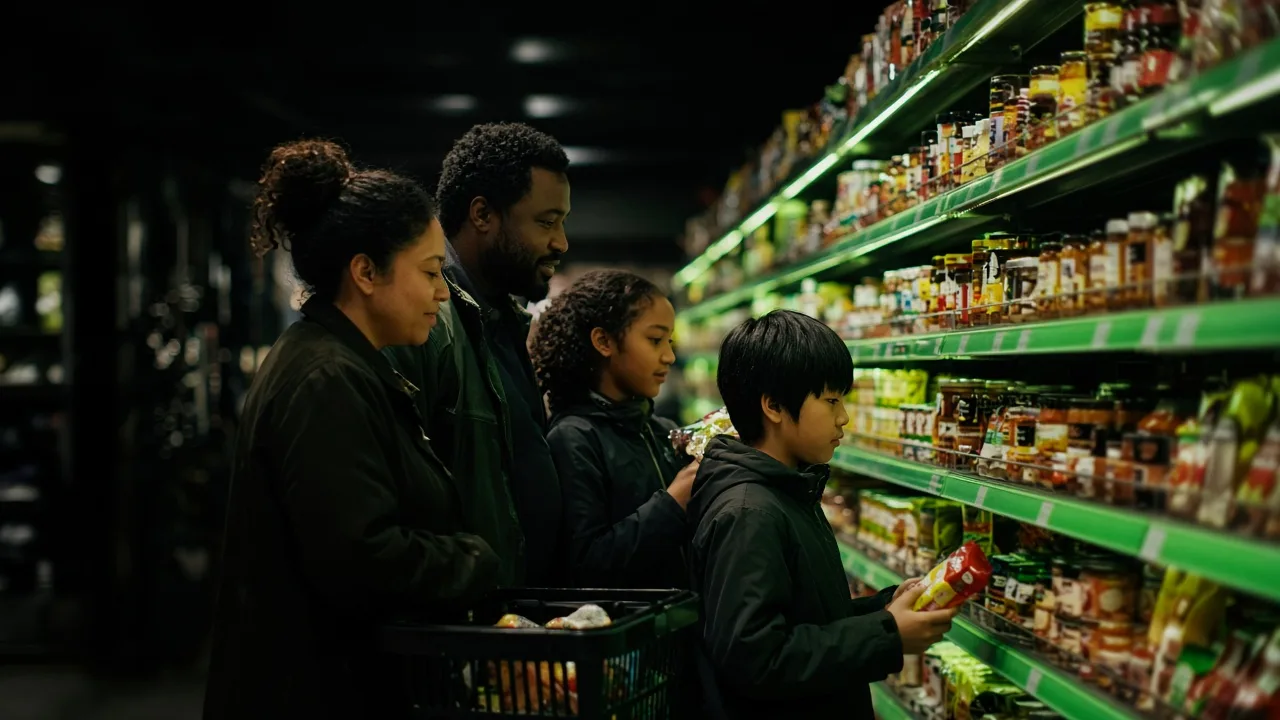
That structure is dissolving. More brands compete in Spanish and in culturally specific creative. More retailers carry Hispanic-relevant assortment at every price tier. More Hispanic consumers are bilingual and digitally fluent enough to comparison-shop like any consumer does. The erosion of 'default loyalty' isn't disloyalty — it's a market maturing into real competition, and competition has to be earned.
- Second- and third-generation Hispanic households increasingly mirror general-market brand-switching behavior
- Private-label and store-brand adoption among Hispanic shoppers is rising, driven by value-seeking, not disinterest
- Bilingual, bicultural consumers actively comparison-shop across more retailers and channels than prior generations did
- The 'language-exclusive' advantage once held by legacy brands is shrinking as competitors invest in Spanish-language marketing
- Younger Hispanic consumers (Gen Z and millennials) treat brand choice as identity expression, which rewards authenticity over habit
What Brands Get Wrong About Heritage Month Marketing
The most common mistake isn't ignoring the Hispanic market — it's engaging it seasonally and assuming the relationship holds the other eleven months. NielsenIQ's 2026 report shows Hispanic shoppers switching more often to private-label options under value pressure, including a notably higher rate of switching to store-brand snacks than the general population. The aisle competition for attention doesn't pause after October 15. A brand whose only cultural investment is a September-October push is showing up for one month out of a year-round decision.
That matters because the data shows this audience isn't disengaged — it's discerning. Hispanic consumers in NIQ's research over-index on trying new products and remain more likely than the general population to prefer name-brand over generic when a brand earns that preference. The opportunity isn't that Hispanic consumers stopped caring about brands; it's that they're applying real judgment to which ones deserve continued business — the same judgment any confident consumer applies.
“Loyalty used to be inherited. Now it's negotiated — every quarter, in every aisle, with every brand that shows up asking for it again.”
The Playbook: Earning Hispanic Brand Loyalty Beyond Heritage Month
The response to declining default loyalty isn't bigger Heritage Month spend — it's distributed, always-on presence: media and content that run year-round rather than spiking in September, creative developed in Spanish and English as original ideas rather than one translated from the other, and product or value messaging that acknowledges Hispanic shoppers are actively weighing private label, not assuming brand name alone carries the sale.
It also means treating 'Hispanic' as a spectrum, not a segment — acculturation level, language preference, generation, and region all shift what earns loyalty, and a campaign built for a Spanish-dominant household will miss a bilingual third-generation one entirely. Agencies that build media and creative systems around that spectrum, rather than a single Heritage Month hero spot, are the ones converting attention into retention. For the full regional and category-level breakdown of how these patterns play out across the U.S., see our sister analysis at ushispanicmarketingdata.org.

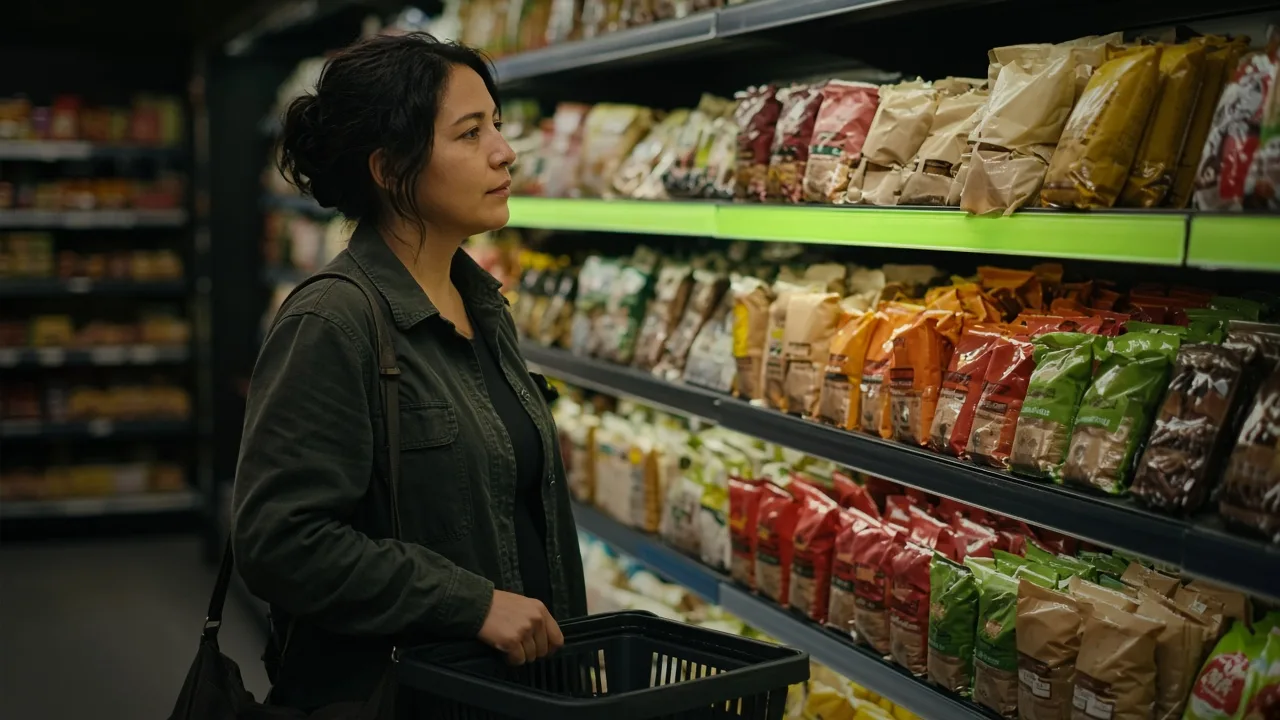
Comparison, not habit: the modern Hispanic shopper's decision point.
Does declining Hispanic brand loyalty mean the Hispanic market is shrinking?
No — loyalty and market size are different metrics. Hispanic consumers remain one of the fastest-growing, highest-spending segments in the U.S. (published buying-power figures vary by source and methodology, so treat any single number as directional, not precise — Medium confidence). What's changing is how that spending gets allocated: consumers are switching brands and exploring private label more readily, not spending less overall.
Should brands stop running Hispanic Heritage Month campaigns?
No. Heritage Month campaigns still deliver a visibility spike and cultural moment, but they can't be the whole strategy. Nielsen and NIQ data point to the same fix: pair the seasonal moment with always-on media, creative, and product relevance for the other eleven months, so loyalty has something to attach to beyond one campaign window.
How should agencies measure Hispanic brand loyalty differently now?
Move past annual campaign recall and track behavior by acculturation segment — language preference, generation, region — rather than treating 'Hispanic' as one audience. Watch switching rate, private-label penetration, and share of wallet within category across the full year, not just the lift during a Heritage Month flight.
Loyalty isn't declining. The free ride is.