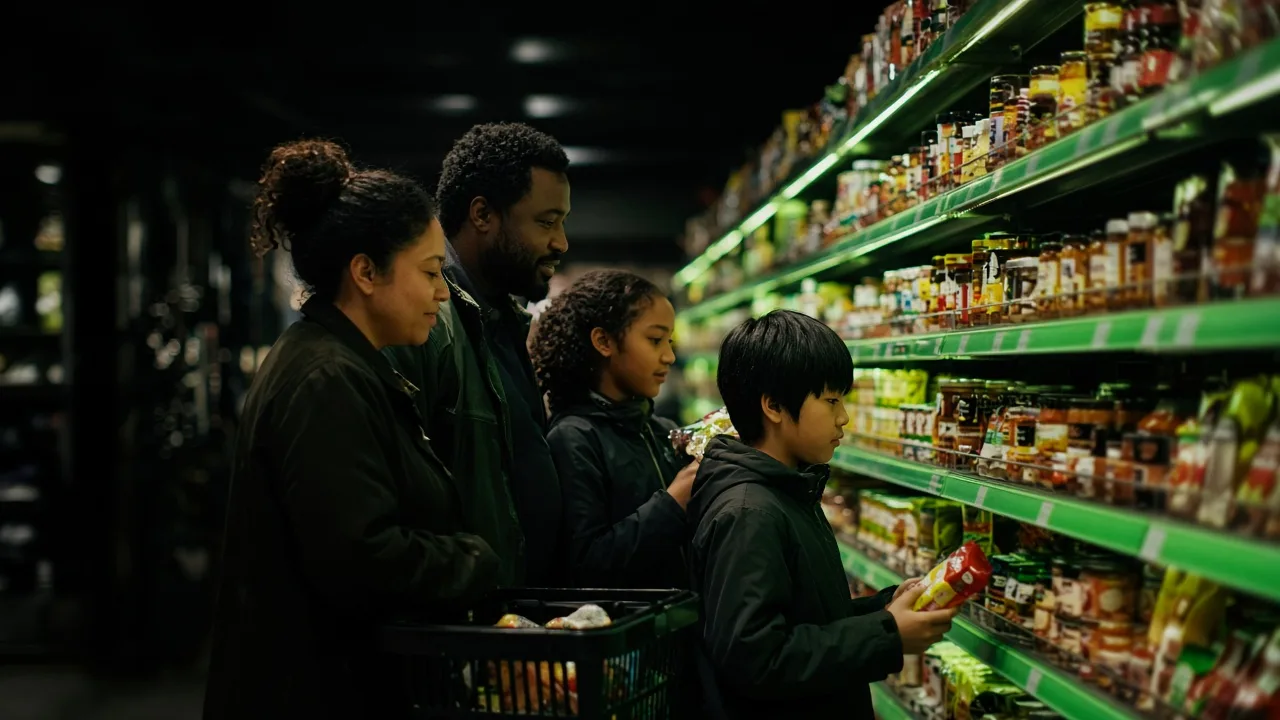
74% of Hispanic Spanish speakers in the U.S. also speak English well or very well. 58.7% of Hispanic adults were born in this country. The Spanish-only campaign strategy was built for a minority of the market — and it signals to the majority that the brand doesn't understand who they are.
Walk into almost any Hispanic marketing brief and you will find the same instruction near the top. "Translate into Spanish." It seems logical. The Hispanic market speaks Spanish. Run the campaign in Spanish. Reach the audience. Except the data tells a more complicated story — one that most brands have been getting wrong for decades. According to the U.S. Census Bureau, 74% of Hispanic Spanish speakers in the United States also speak English well or very well. The majority of the Hispanic market is bilingual. And the Spanish-only strategy reaches them in the wrong language.
The Two Ways Brands Get This Wrong
The Spanish-only approach reaches the 26% of Hispanic Spanish speakers who are Spanish-dominant. For American-born Hispanic consumers — who represent 58.7% of Hispanic adults — a Spanish-only campaign often signals that the brand sees them as foreign rather than American. That signal matters enormously. The English-only approach makes the opposite mistake. It reaches the language but misses the identity. Hispanic consumers have a relationship to family, community, and cultural values that is specific and deeply felt — and a campaign that ignores that identity leaves the cultural connection on the table.
- 74% of Hispanic Spanish speakers are fully bilingual
- 58.7% of Hispanic adults were born in the United States
- Spanish-only campaigns reach ~26% of Spanish speakers effectively
- English-only campaigns miss the cultural connection that builds loyalty
- The right approach: native creation in both languages, not translation
What Bilingual Actually Means for Campaign Strategy
The brands that win in the Hispanic market are not the ones that translate. They are the ones that create — campaigns that exist authentically in both languages, not as translations of each other, but as native expressions of the same idea in two different cultural contexts. The difference is visible immediately to a bilingual audience. Cultural intelligence is not an add-on. It is the core creative decision. A campaign built with genuine cultural intelligence from the first line of the brief performs differently than one built for the general market and adapted for Spanish.
“Bilingual does not mean confused. It means your campaign needs to be smarter than a translation. Most of them are not.”
The Competitive Gap in the Bilingual Market
Most brands are still running the Spanish-only playbook on a market that has moved well beyond it. That gap — between where the strategy is and where the audience actually is — represents one of the most accessible competitive advantages in American marketing right now. The brands that close it first do not just capture market share. They earn the kind of loyalty that makes future competitors irrelevant.

Two languages. Two native expressions. One campaign that actually works.
What percentage of Hispanic Spanish speakers are bilingual?
According to the U.S. Census Bureau, 74% of Hispanic Spanish speakers in the United States also speak English well or very well. Additionally, 58.7% of Hispanic adults were born in the United States.
Why do Spanish-only campaigns miss most of the Hispanic market?
Spanish-dominant consumers represent approximately 26% of Hispanic Spanish speakers. The remaining 74% are bilingual. Beyond reach, Spanish-only campaigns often signal to American-born Hispanic consumers that the brand sees them as foreign — a perception that damages brand trust.
What's the difference between translating a campaign and creating bilingually?
Translation takes an existing campaign and converts the words. Bilingual creation writes separately for each language from the start, so the tone, rhythm, and cultural references are built for that audience. A bilingual audience can tell the difference immediately.
Your Hispanic audience is bilingual. Your campaign should be too — but smarter than a translation.