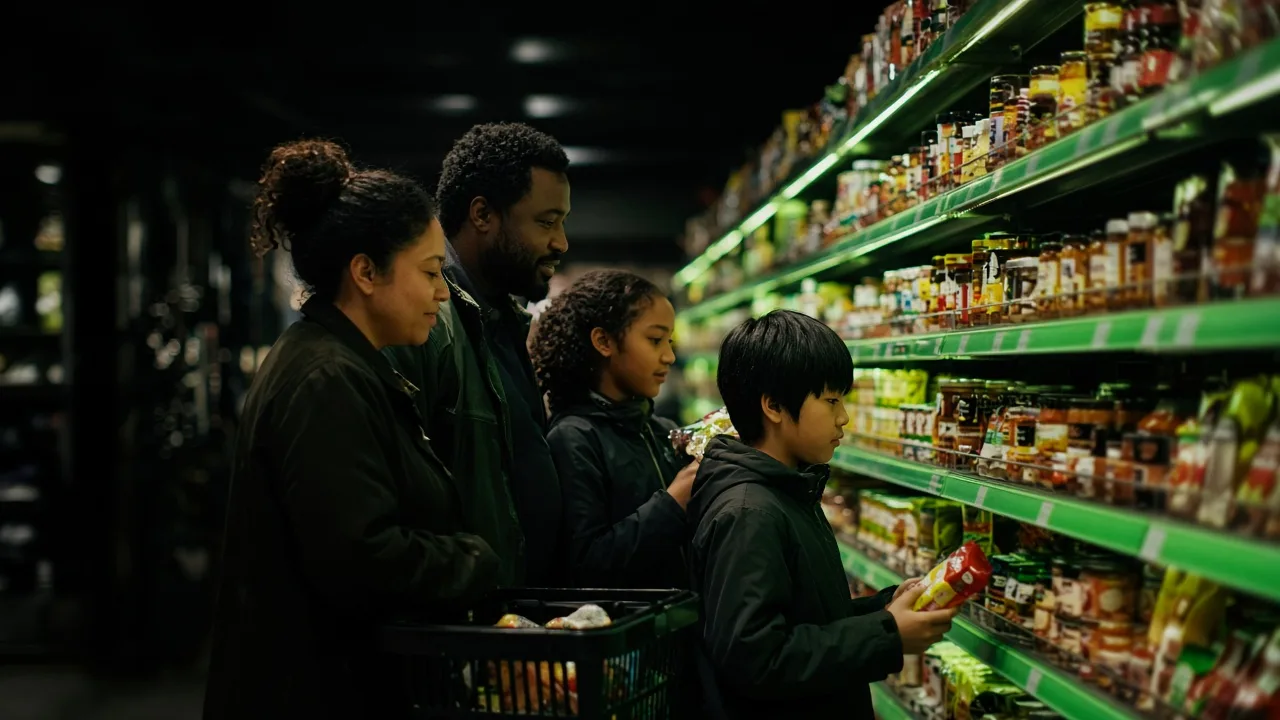
At a median age of 27.5, Hispanic Americans are the youngest major demographic in the United States — squarely in the 25-to-35 window where lifetime brand loyalty is formed. 66 million people making first-home, first-car, and first-brand decisions right now.
Every CMO conversation right now is about Gen Z. How to reach them. How to earn their trust. How to build loyalty with a generation that grew up with infinite options and near-zero patience for brands that feel fake. Most of these conversations are missing something fundamental. The median age of a Hispanic American is 27.5 years old. That single number places the majority of the 66.3 million Hispanic Americans squarely inside the demographic cohort that brands are spending billions to reach. They are already there. The question is whether brands are showing up for them.
What 27.5 Actually Means
Age 27.5 is not just a statistic. It is a life stage. A 27-year-old in 2025 is making the most consequential consumer decisions of their life. First apartment or home purchase. First vehicle. First credit card and financial products. First serious brand relationships. These are not impulse purchases. These are category-defining moments — the moments when brand loyalty is formed, when a consumer decides which companies they trust, and when the relationship between a person and a brand begins to compound over decades.
- Median Hispanic age: 27.5 — the youngest major demographic in the U.S.
- 66.3 million people currently in or entering peak brand-formation years
- First home, first vehicle, first financial products — all happening now
- Brand loyalty formed at 27 tends to hold for 20-30 years
- Hispanic population continues growing, continuously renewing this youth profile
The Scale That Gen Z Campaigns Cannot Match
Gen Z is a cohort. The Hispanic market at 27.5 median age is 66 million people — the youngest major demographic group in the country, at the most brand-formative stage of their consumer lives, at enormous scale. No other segment combines those three factors simultaneously: youth, size, and brand-formation stage. And unlike a generational cohort that ages out of its defining characteristics over time, this demographic profile is self-renewing. The Hispanic population continues to grow faster than the national average, continuously feeding new young consumers into the pipeline.
“You're not missing a niche. You're missing the future of the American consumer. And it's 27 years old.”
The First-Mover Loyalty Advantage
The brands that move first in this space do not just capture market share. They become the default — the brand that was there when it mattered, that earned trust before anyone else tried to buy it. Cultural intelligence is the mechanism: understanding the specific relationship a young Hispanic American has with identity, family, and trust. The ones that wait will spend significantly more to achieve significantly less. That is the math of missing the brand-formation window.

First home. First car. First brand relationships. All happening at 27.
Why is the median age of Hispanic Americans significant for marketing?
At 27.5, the majority of the 66.3 million Hispanic Americans are in the 25-to-35 age window where the most consequential consumer decisions are made. Brand loyalty formed during this window tends to hold for decades.
How does the Hispanic market compare to Gen Z as a target audience?
The Hispanic market overlaps significantly with Gen Z and young Millennials — but at a scale of 66 million people that no generational cohort alone matches. And unlike a cohort that ages out, the Hispanic population continuously renews its youth profile.
What does culturally intelligent marketing look like for young Hispanic consumers?
It starts with understanding that a young Hispanic American has a specific relationship to identity, family, and trust. Effective marketing engages with that specificity authentically — through genuine cultural intelligence built into the creative from the start.
The youngest major demographic in America is making brand decisions right now.