As of spring 2026, Channel 4 became the first UK broadcaster to require closed captions on all advertising, across linear, streaming, and sponsorship (Cape.io). The mandate treats captioning as "minor in the overall budget" but "non-negotiable," and the industry read is that it will pressure competitors and digital platforms to follow. For brands producing bilingual or multicultural work, that shift makes captions a creative and brand-voice decision from the first brief, not a compliance pass added at the end.
For years, captions lived in post-production, handled late, treated as a legal requirement to clear before delivery. Channel 4's new mandate, requiring closed captions on every ad across linear TV, streaming, and sponsorship starting spring 2026, reframes that entirely (Cape.io). It's the first time a major broadcaster has made captioning universal rather than situational, and the industry expects competitors and streaming platforms to follow.
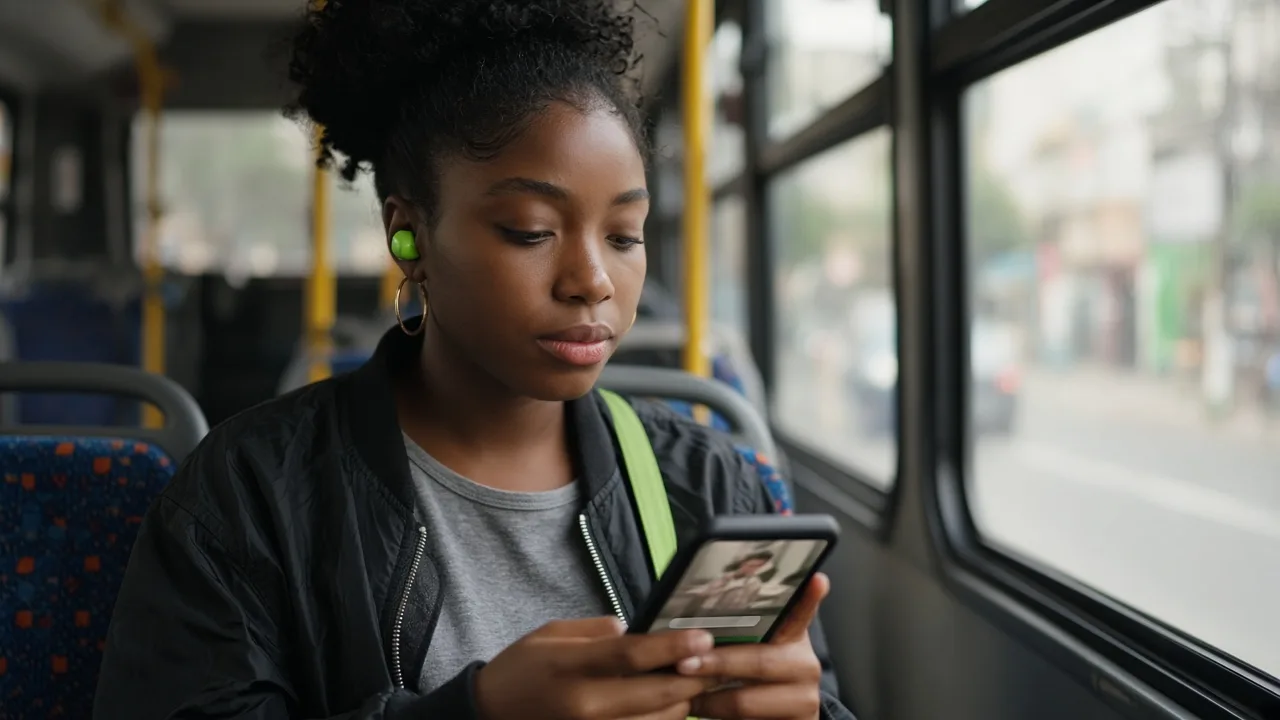
The mandate lands at a moment when most video is already consumed without sound, on transit, in offices, in waiting rooms, scrolling a feed with a thumb. A brand whose message only lands through audio is losing a meaningful share of its own audience before the captions even become a legal question. That's the real shift: captions aren't catching up to a rule, they're catching up to how people already watch.
Sound-Off Viewing Made Captions a Reach Problem First
Long before any mandate, captions were already a reach issue. Viewers scrolling social feeds in public, at work, or around sleeping kids default to sound off, and a video that depends on dialogue or a voiceover to land its message simply doesn't land for that share of viewers. Captions close that gap, but only if they're written as part of the creative, timed to the edit, matching tone and pacing, rather than auto-generated and dropped in afterward.
Channel 4's guidance is explicit that captioning needs to be built into post-production and budgeted for from the start, not treated as an afterthought (Cape.io). For agencies, that means the caption track becomes part of the edit review, not a separate deliverable handled by a vendor after the final cut locks.
- Captions timed and styled to match the edit's pacing and tone
- Visual design that works whether sound is on or off, not just subtitled dialogue
- Caption copy treated as a brand-voice deliverable, reviewed alongside the script
- Budget and timeline for captioning built in at the brief stage
- Bilingual productions captioned natively in each language, not auto-translated
From Compliance Line Item to Brand Voice Decision
Treating captions as a creative decision changes who signs off on them. A compliance checkbox gets approved by legal or standards and practices. A brand-voice decision gets approved by the same creative director who approved the script, because the caption is now part of how the brand sounds when the sound is off. That's a meaningfully different review process, and it changes the production schedule.
Channel 4's own framing calls accessibility a consideration that "must become a core consideration from the very first creative brief, not an afterthought" (Cape.io). For multicultural and bilingual campaigns, that principle matters even more: a caption track is effectively a second script, and it deserves the same native-language craft as the voiceover or on-screen copy it supports.
“A caption track is a second script. It deserves a writer, not an afterthought.”
What This Means for Bilingual and Multicultural Production
For campaigns running across English and Spanish, or across multiple markets, captioning done as a creative decision means each language gets its own caption pass, written to match the rhythm and idiom of that language's voiceover or dialogue, rather than one language's captions machine-translated into the other. That distinction is exactly what separates a campaign that reads as native from one that reads as adapted.
As more markets follow Channel 4's lead, and the Cape.io analysis frames this as a likely global signal rather than a UK-only rule, agencies that already treat captioning as craft, not compliance, will be ready before it becomes mandatory everywhere else. Building that discipline now, across every market and language a brand operates in, is cheaper and faster than retrofitting it later under a deadline.

Most of this video's audience will never hear its audio.
What is Channel 4's closed caption mandate?
Starting spring 2026, Channel 4 requires closed captions on every ad it carries, across linear TV, streaming, and sponsorship, making it the first UK broadcaster to require captioning universally rather than case by case.
Why are captions becoming a creative decision instead of a legal one?
Because most video is already watched with sound off, captions now shape whether a brand's message actually lands, not just whether it meets accessibility requirements. That makes caption writing a brand-voice decision reviewed alongside the script, not a compliance step added after the edit locks.
How should bilingual campaigns handle captions differently?
Each language should get its own native caption pass, written to match that language's voiceover rhythm and idiom, rather than machine-translating one language's captions into another.
Sound-off viewing isn't a trend to track. It's already how most of your audience is watching.