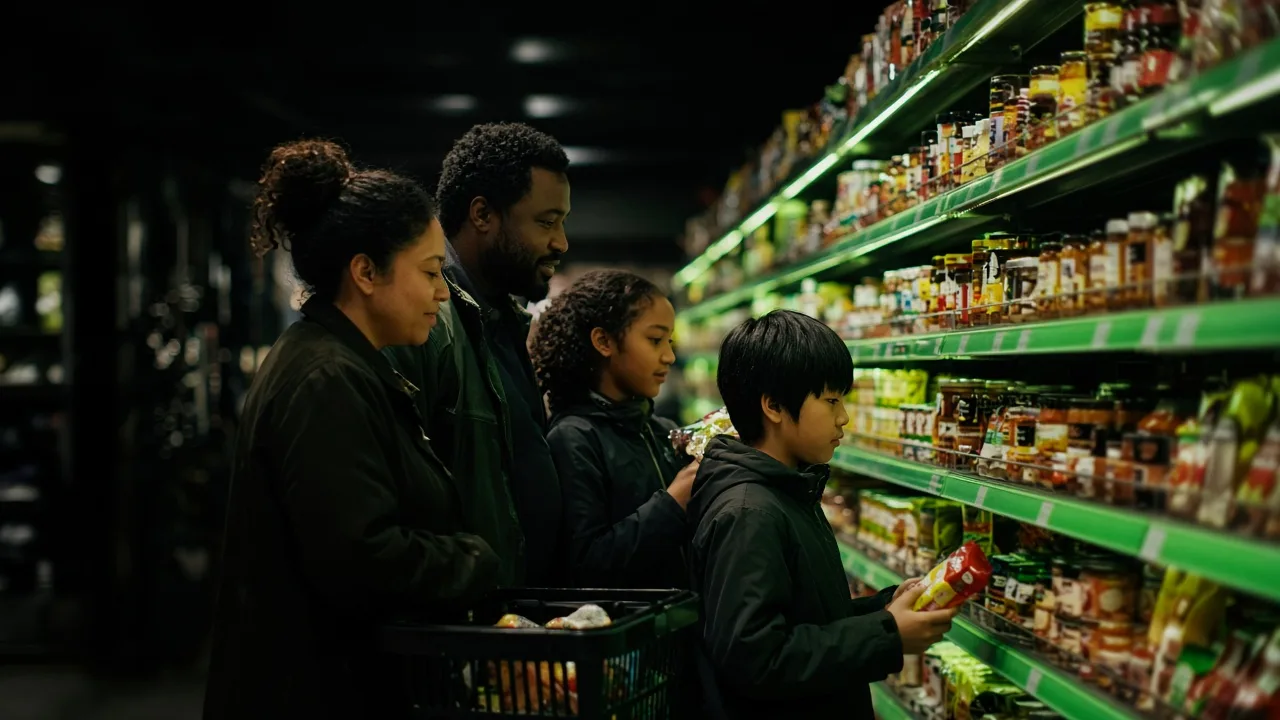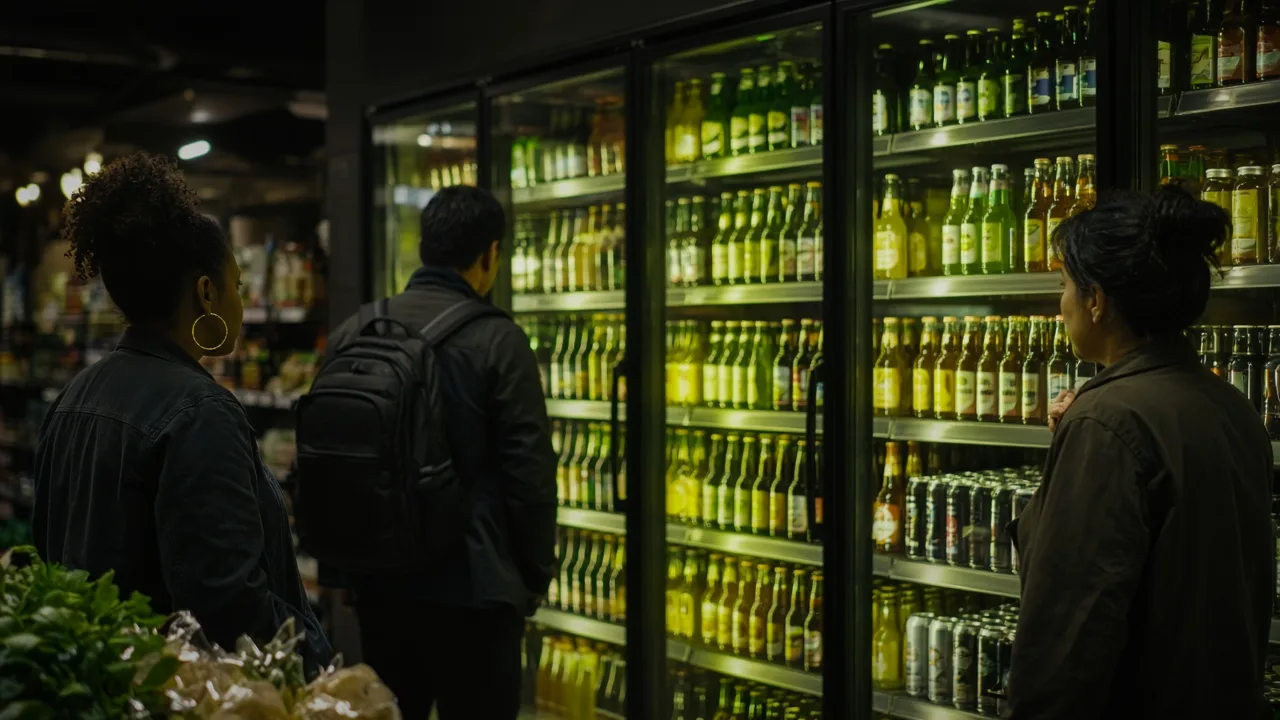
Most beverage brands treat multicultural marketing as a media-buying exercise: run Spanish-language ads, sponsor a cultural event, call it done. But the 2026 data shows the real gap is upstream, in product development, packaging, and retail placement decisions that happen long before a single ad runs, and that's where category leaders are pulling ahead.
Beverage is one of the categories where multicultural marketing dollars flow most freely, and where the return on that spend is most inconsistent. Brands will fund a six-figure Hispanic Heritage Month campaign, then stock the exact same SKU lineup, in the exact same packaging, at the exact same shelf position, as they do everywhere else. That disconnect matters more in 2026 than it did five years ago, because multicultural beverage trends, functional ingredients tied to cultural traditions, flavor profiles rooted in specific regional cuisines, are now driving category growth broadly, not just within one audience segment. Brands still treating this as a media-only play are leaving both cultural relevance and category growth on the table.
MEDIA SPEND ISN'T THE BOTTLENECK ANYMORE
A decade ago, the barrier to multicultural beverage marketing was reach: could a brand's media plan actually find and speak to Hispanic households. That barrier is largely gone. Programmatic targeting, bilingual creative production, and Spanish-language streaming inventory are all mature, affordable, and available at scale. What's left is a harder problem: does the product itself, its flavor, its packaging language, its price point at the specific retailer, actually reflect what the audience wants, or does it reflect what marketing assumed they'd want based on outdated research. That gap shows up as flat sales lift despite strong campaign metrics, a pattern category teams are increasingly flagging.
- Packaging and on-pack claims tested with the actual target shopper, not adapted after the fact
- Flavor and functional-ingredient development informed by real cultural insight, not stereotype
- Shelf placement and planogram strategy treated as part of the marketing plan, not left to trade alone
- Bilingual claims that read as native, not translated, on pack and in-store signage
- Campaign measurement tied to sales lift by retailer and region, not just media impressions
WHERE CATEGORY LEADERS ARE ACTUALLY WINNING
The beverage brands pulling ahead in 2026 are treating multicultural strategy as a cross-functional decision that starts in product development, not a media line item that starts in Q3. That means involving cultural insight earlier, before formulation and packaging are locked, not after. It also means partnering with agencies that can speak credibly to both the creative and the shopper-marketing side of the business, since a beautifully targeted ad campaign for a product that doesn't land on shelf the way the audience expects it to is a wasted media budget, not a wasted creative idea.
“You can't media-buy your way out of a product that wasn't built for the shelf it's sitting on.”
WHAT TO FIX FIRST
Start with an honest audit of where multicultural spend actually sits in the org chart. If it lives entirely inside media and creative, with no line back to product and shopper marketing, that's the first structural fix, not the next campaign. Then look at your current SKU lineup through the lens of an actual target shopper walking the aisle: does the packaging, the price, and the placement match what the campaign promises? If those signals don't line up, the campaign is doing work the product and the shelf should be doing too.
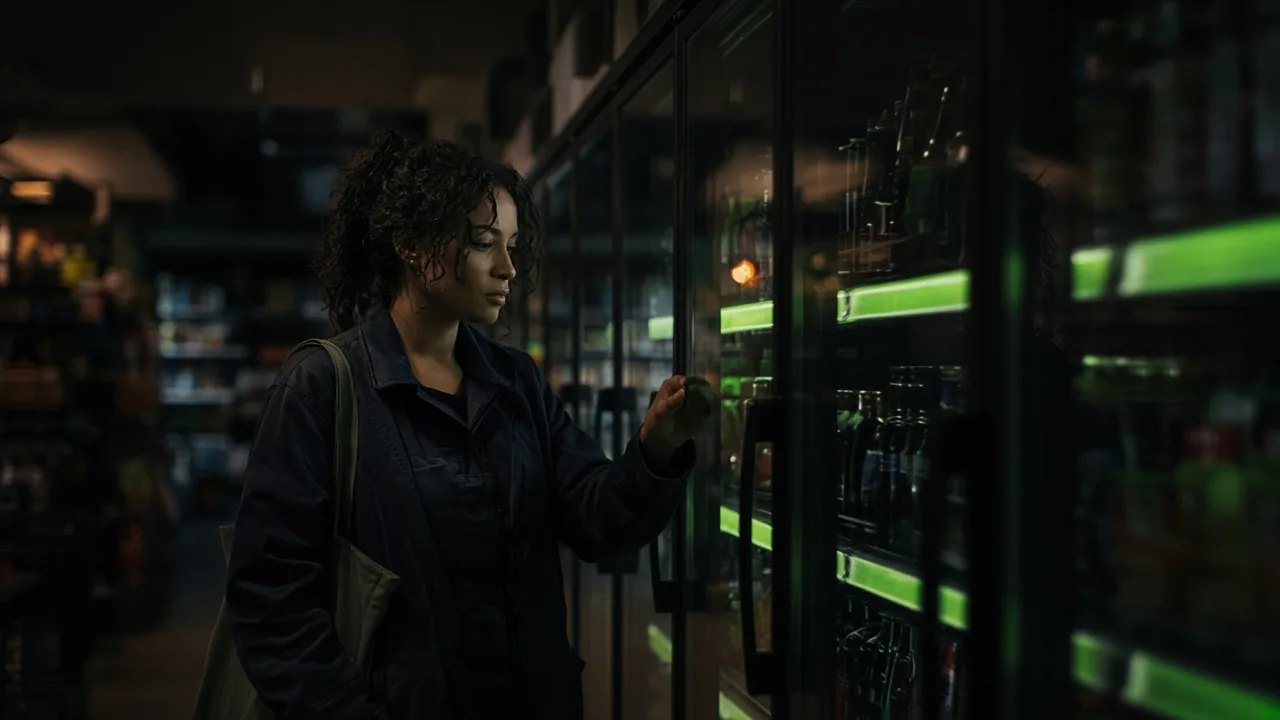
The shelf tells the truth a media plan can't hide.
Why isn't Hispanic-targeted media enough to grow beverage sales?
Because media only drives awareness and intent; it can't fix a product, package, or shelf placement that doesn't match what the target shopper actually wants. When those upstream decisions are misaligned, campaign metrics look strong while sales lift stays flat.
How early should cultural insight be involved in beverage product development?
Before formulation and packaging are finalized, not after. Once a SKU is locked, marketing can only adapt messaging around it, not fix a mismatch in flavor, claims, or pack design.
What's the first step for a brand that suspects this gap exists?
Audit where multicultural marketing sits in your org structure and whether it has a real line into product and shopper marketing, then walk the actual aisle as your target shopper would and compare what you see to what your campaign promises.
Your media plan can't out-market a product built for the wrong shelf.