Casting decisions that once got waved through as "diverse enough" are now scrutinized by audiences who can spot a stand-in for lived experience instantly. In 2026, authentic casting has shifted from an optics checkbox to a brand-risk and performance issue, and production teams that treat it as a craft discipline, not a compliance one, are producing work that actually lands.
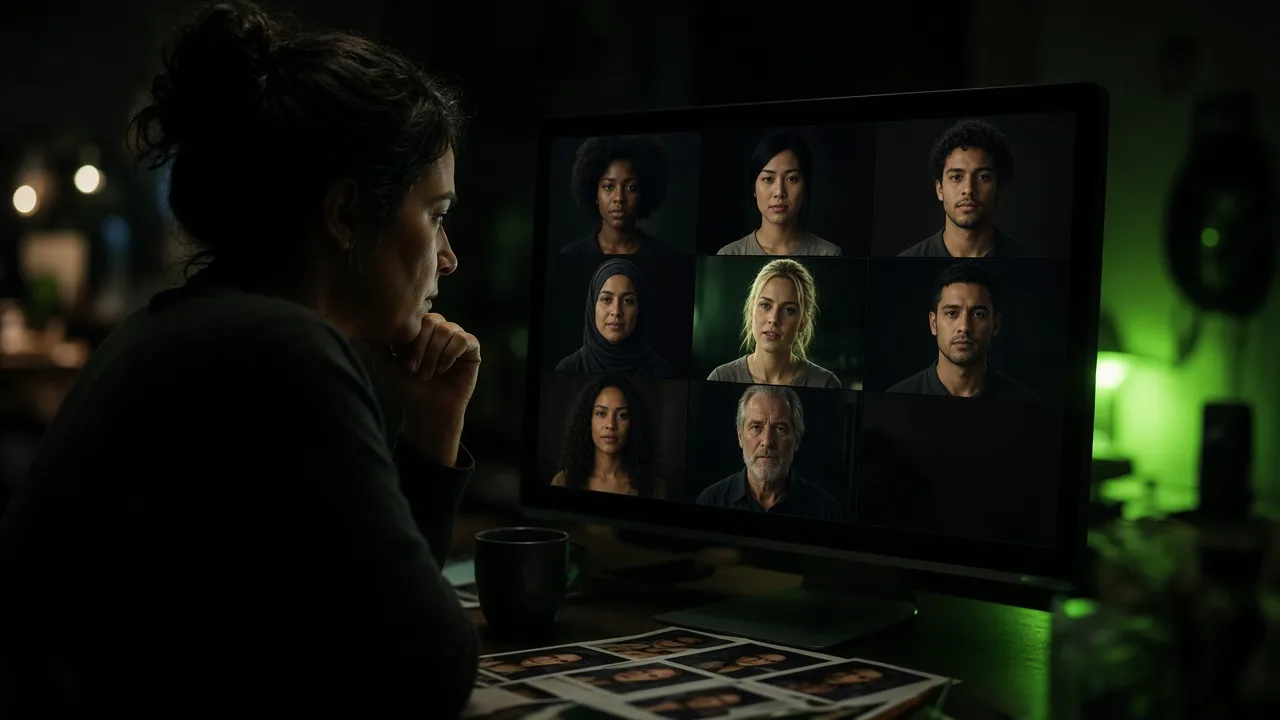
For years, the casting conversation in multicultural advertising centered on representation as a number: did the spot include enough non-white faces to check a diversity box. That framing is outdated, and audiences have made that clear. What's replaced it is a harder, more interesting question: does this specific person, in this specific role, read as authentic to the community being portrayed, or as a stand-in cast primarily for how they look on camera. That distinction is now showing up in brand backlash, in performance data, and in how casting directors are being briefed.
WHAT "AUTHENTIC" ACTUALLY REQUIRES ON A CASTING CALL
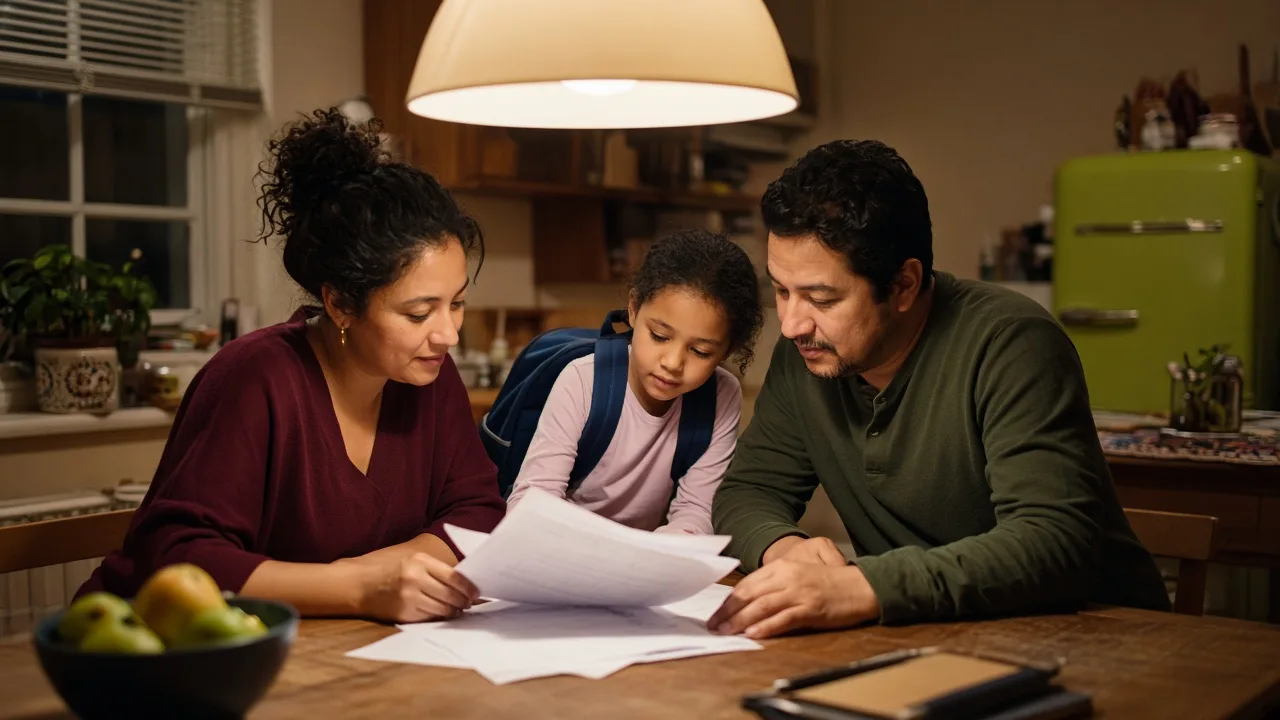
Authentic casting isn't just about ethnicity matching a target demographic. It's about lived specificity: regional accent, generational fluency in a language, cultural references that land without explanation, and body language that a real member of that community would recognize as unforced. That level of specificity requires casting directors and creative teams who understand the audience deeply enough to write a brief that goes beyond "Latina, 30s, warm" and instead captures the texture of a real person's life. Generic briefs produce generic-feeling casting, no matter how demographically correct the headcount looks.
- Casting briefs that specify cultural and regional context, not just ethnicity
- Real people and non-professional talent used where authenticity outweighs polish
- Dialogue and delivery reviewed by native speakers, not just translated for accuracy
- Wardrobe, set dressing, and body language checked against lived reality, not stock imagery
- Community and cultural consultants involved during casting, not just during final review
WHY THIS IS A BRAND-RISK CONVERSATION NOW
Audiences in 2026 are fluent in spotting performative representation, and social platforms make that critique instant and public. A campaign that casts for optics rather than authenticity risks a backlash that costs more in brand trust than the campaign was ever going to generate in awareness. The upside cuts the other way just as sharply: campaigns that get casting right build a kind of trust that media spend alone can't buy, because the audience recognizes itself as accurately seen rather than marketed to. That recognition is increasingly what separates a campaign that performs from one that merely runs.
“Audiences can't always articulate why a casting choice feels off, but they can always feel it.”
BUILDING AUTHENTIC CASTING INTO THE PRODUCTION PROCESS
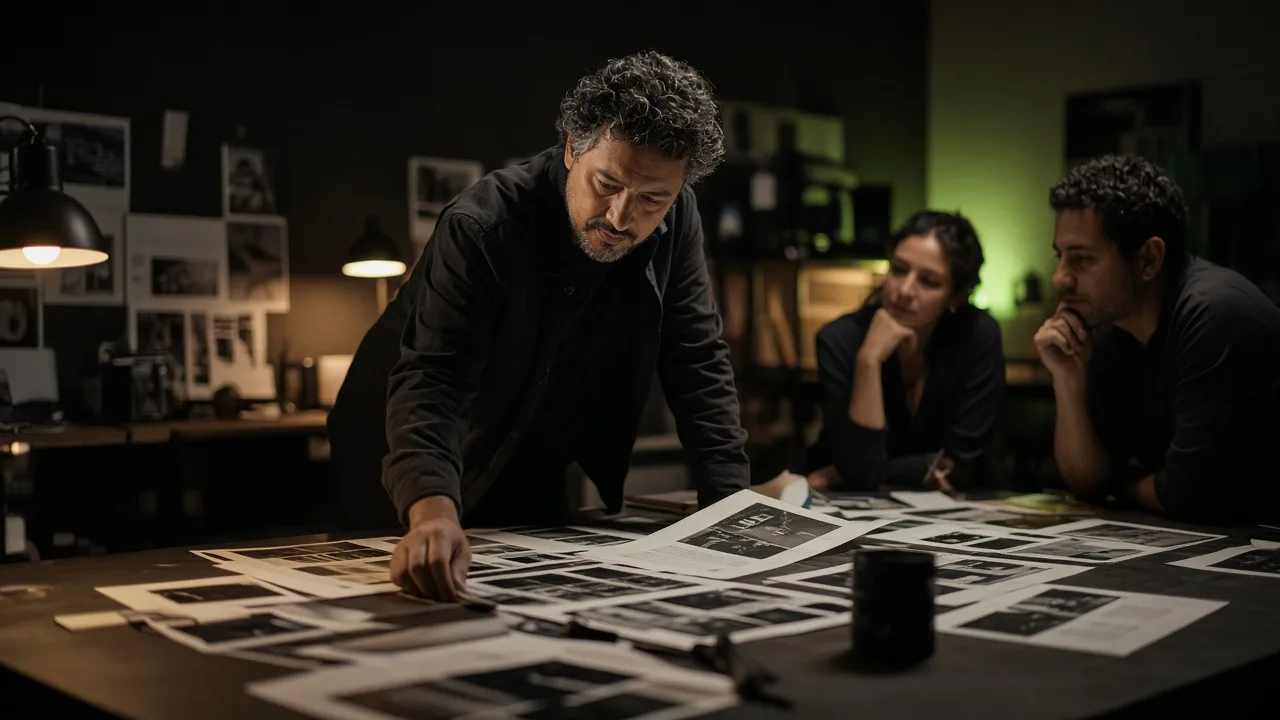
The fix starts upstream of the casting call, in how the creative brief itself is written. If the brief describes a persona instead of a real, specific person grounded in cultural detail, casting will default to the closest visual match rather than the most authentic one. It also means giving casting directors and cultural consultants real authority in the process, not a final sign-off after decisions are locked. Production teams that build this in from the start spend less time fixing authenticity problems in post and more time producing work that resonates the first time it airs.
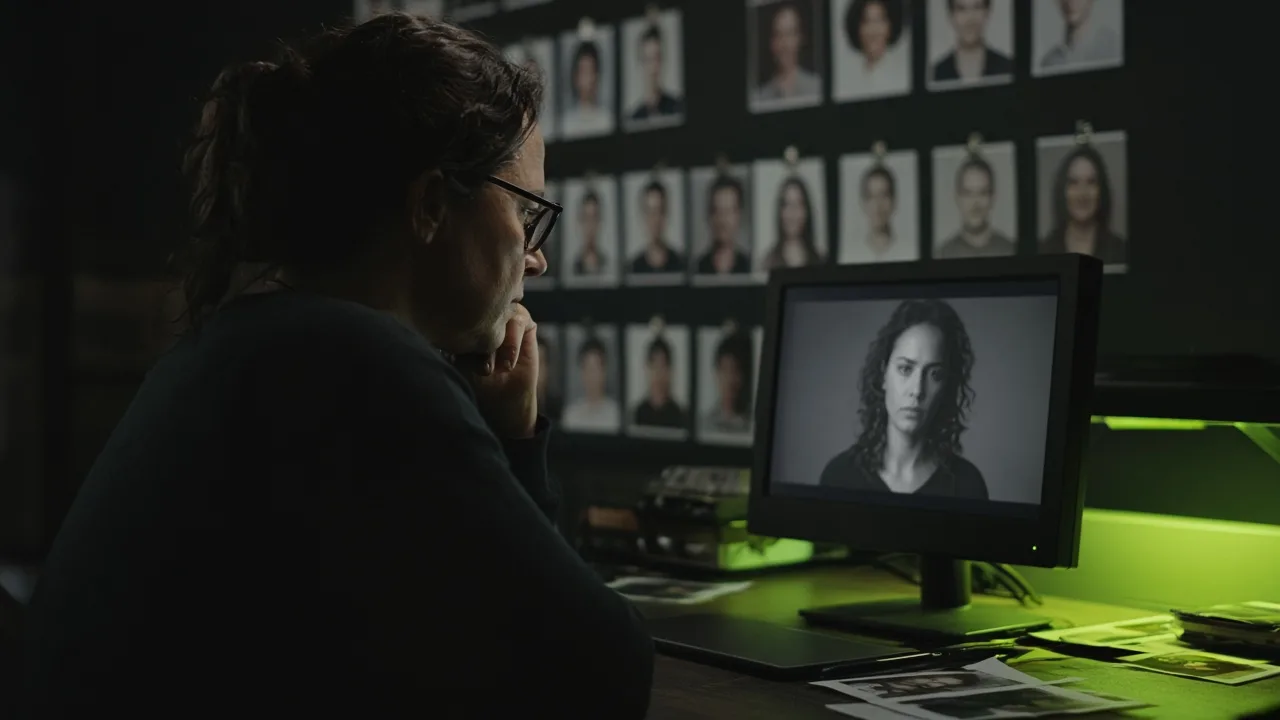
The brief decides the casting long before the camera does.
What's the difference between diverse casting and authentic casting?
Diverse casting focuses on representation as a headcount; authentic casting focuses on whether a specific person's lived experience, accent, and cultural fluency actually match the story being told. A cast can be demographically diverse and still feel inauthentic if that specificity is missing.
Why does authentic casting matter more in 2026 than it did a few years ago?
Audiences are more fluent at spotting performative representation, and social platforms amplify that critique instantly. Casting mistakes now carry real brand-trust risk, while getting it right builds a form of trust media spend can't buy on its own.
How early should authenticity be considered in a production, at casting or earlier?
Earlier. It has to start in how the creative brief itself is written; a brief that describes a generic persona will produce generic casting no matter how carefully the casting call is run afterward.
The audience always knows the difference between cast for the role and cast for the camera.