“AI-native” has become the most overused phrase in agency positioning in 2026, but few shops have actually rebuilt their process around it. Brands vetting agencies should ask to see the workflow, not the word — because the operating model is where AI either compounds a team’s judgment or replaces it with noise.
Open any agency’s homepage this year and you’ll find the same three words: AI-native, AI-first, AI-powered. It’s become shorthand for “modern,” the way “digital agency” was in 2010. But a label bolted onto a press release isn’t the same as a workflow rebuilt around it, and clients are starting to notice the difference between agencies that adopted a tool and agencies that redesigned how work actually gets made.
The distinction matters because it changes what a client is actually buying. An agency that uses AI to speed up a step it always did — faster first drafts, faster transcription, faster reporting — is still selling the same operating model with a new engine under the hood. An agency that has rebuilt its process end to end, with AI embedded at ideation, production, and measurement, is selling something structurally different. Neither is wrong. But only one of them is what the marketing implies.
The Three Ways “AI-Native” Gets Used (and Misused)
In practice, the phrase covers at least three very different realities. The first is genuine: agencies that have restructured teams, tooling, and pricing around AI-assisted production from the ground up, the way a handful of true AI-native shops have built their entire model. The second is partial: traditional agencies that have added AI tools to specific stages — usually ideation or first-draft copy — without touching the rest of the pipeline. The third is cosmetic: the word appears in the pitch deck and nowhere in the actual Scope of Work.
None of these are inherently disqualifying. A traditional agency with strong creative judgment and a few well-chosen AI tools can outperform a fully “AI-native” shop with weak strategic thinking. But a brand that hires expecting the first reality and gets the third will feel it in turnaround times, in the sameness of the output, and eventually in performance. The fix isn’t avoiding AI-forward agencies — it’s asking better questions before signing.
- Ask which specific stages of the process use AI today, not which tools are licensed
- Ask what percentage of final creative output touches AI at any point, and where a human made the final call
- Request a before/after timeline comparison for a comparable project, not a hypothetical
- Ask how the agency handles AI-generated work that needs to represent a specific, non-generic audience
- Ask what happens when the AI-generated first draft is wrong — what the human escalation path is
What a Genuine AI-Integrated Workflow Actually Looks Like
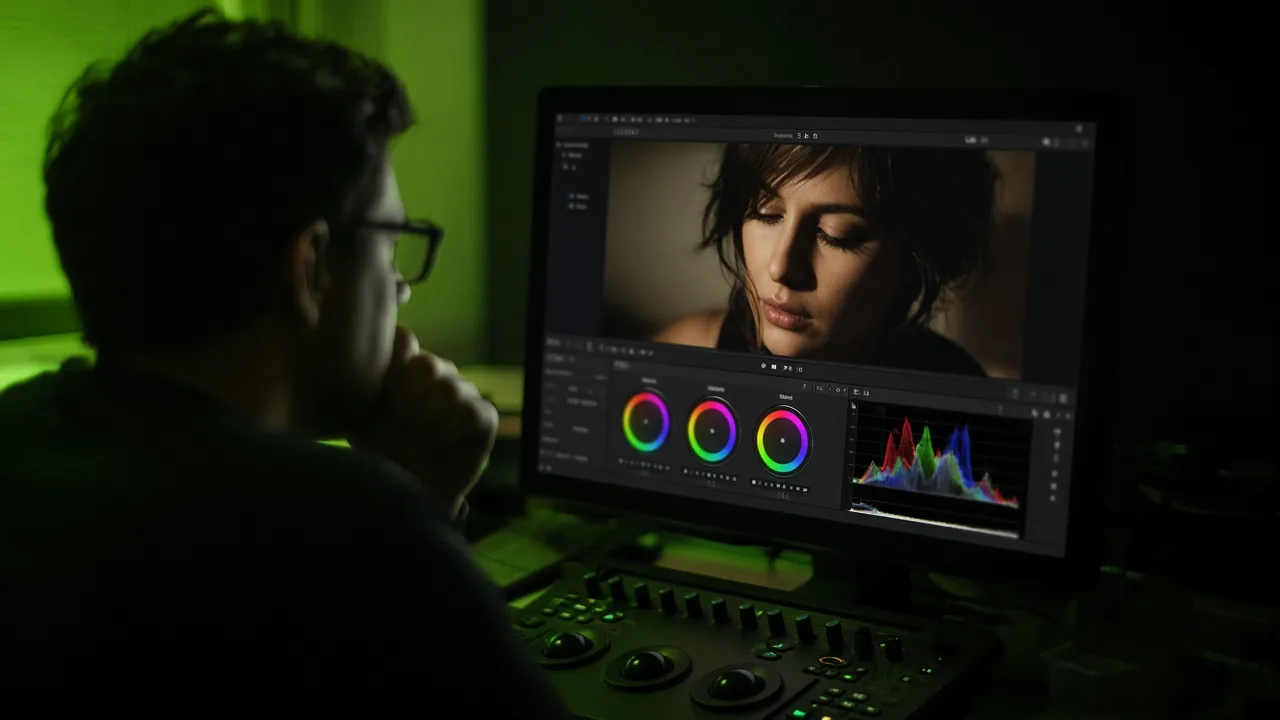
At Alerta, AI shows up at specific points, not as a blanket claim. Research and cultural-nuance briefs get built faster with AI-assisted data synthesis. Production timelines compress where AI tools handle repetitive execution — rough-cut editing, initial motion graphics passes, localization drafts. What doesn’t move is who owns the creative decision: casting calls, cultural authenticity checks, and final campaign direction stay with senior, culturally fluent producers, because that’s the layer AI can’t yet replicate reliably for multicultural audiences.
This matters most for brands targeting audiences AI models weren’t trained to represent well. Generic AI creative tools are built on generic training data, which means Hispanic, Black, and other multicultural audiences are consistently underrepresented or stereotyped in AI-first output unless a human with real cultural context is steering the process. Per eMarketer’s 2026 reporting, agencies are adopting AI en masse even as creativity concerns persist industry-wide — which is exactly why the human checkpoint matters more, not less.
“AI accelerates the draft. It has never once replaced the judgment call that makes a campaign land with a real audience.”
What to Ask Before You Sign
The most useful diligence question isn’t “are you AI-native?” It’s “walk me through the last project, stage by stage, and tell me where AI touched it and where a person did.” Agencies with a real operating model answer this instantly and specifically. Agencies using the term as positioning tend to answer in generalities — “we leverage AI across our process” — without naming a single stage.
The second question worth asking is about accountability: when AI-assisted output misses the mark — tone-deaf messaging, a stereotype that slipped through, a factual error — who catches it, and at what stage? A senior-led shop will have a clear answer involving a specific person or review step. A shop using AI to cut headcount rather than augment judgment often won’t.
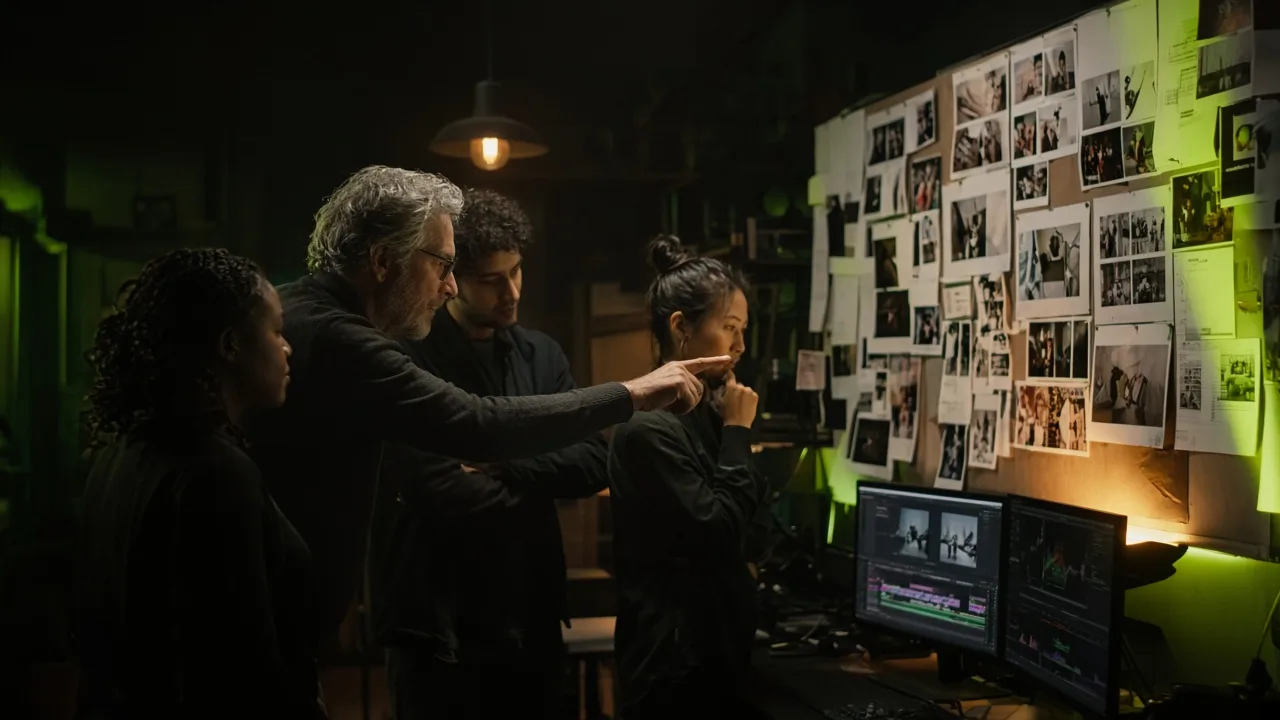
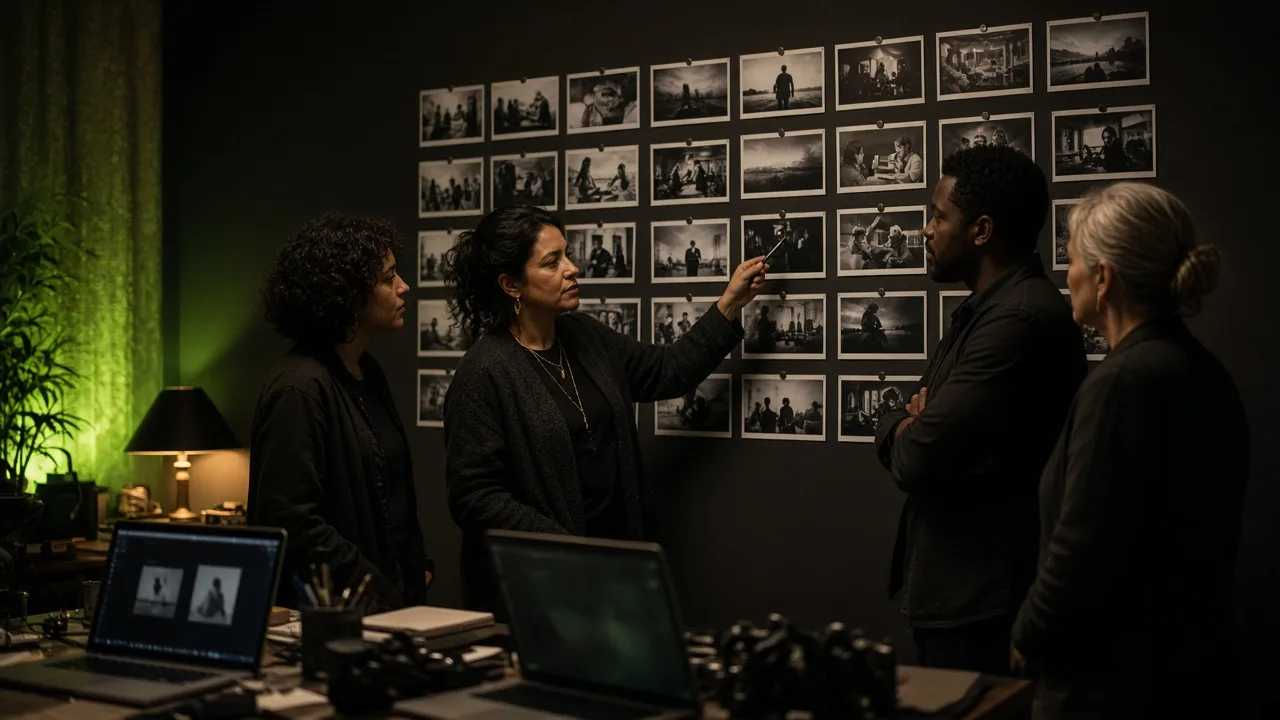
The checkpoint that doesn’t get automated: a senior creative director signs off before anything ships.
What does “AI-native agency” actually mean?
In its strictest sense, an AI-native agency is one that has rebuilt its team structure, production pipeline, and pricing model around AI-assisted work from the start, rather than adding AI tools to an existing traditional process. In practice, the term is used loosely, so it’s worth asking an agency to walk through specifically where AI touches their workflow.
Is an AI-native agency automatically better than a traditional one?
No. Creative judgment, cultural fluency, and strategic thinking matter more than how much AI touches the production pipeline. A traditional agency with strong senior talent and a few well-integrated AI tools can outperform a fully AI-native shop with weak creative direction.
How can a brand tell if an agency’s “AI-native” claim is real?
Ask for a stage-by-stage breakdown of a recent project showing exactly where AI was used and where a human made the final call. Agencies with a genuine AI-integrated operating model can answer specifically; agencies using the term as marketing tend to answer in generalities.
Want to see exactly where AI ends and human judgment begins in a real Alerta production?