AI-native agencies are built around AI-assisted research, production, and iteration from day one, not bolted onto legacy processes after the fact. That structural difference is letting lean, senior-led shops match or beat holding-company output speed at a fraction of the account-team overhead, and brands are starting to choose based on that gap.
For two decades, the holding-company pitch was simple: scale bought speed, and speed bought results. Bigger networks meant more specialists, more bench strength, more capacity to turn a global campaign around in six languages by Friday. In 2026, that math has quietly flipped. AI-native agencies, shops that built their production pipeline around AI-assisted research, drafting, and iteration from the outset rather than layering a generative tool onto a forty-person account structure, are now delivering holding-company output on senior-led, single-digit-headcount teams. The result isn't just cheaper work. It's often faster, more consistent, and closer to the strategist who actually understands the brief.
WHAT "AI-NATIVE" ACTUALLY MEANS
Being AI-native isn't the same as a legacy agency using ChatGPT for a first draft. It means the entire workflow, from audience research to concept testing to production, is rebuilt around AI-assisted speed, with senior people making the judgment calls at every checkpoint instead of junior staff pushing paper between departments. That restructuring removes the layers that used to justify agency headcount: the account coordinator relaying notes, the research team compiling a deck a strategist could query directly, the production assistant chasing revisions. What's left is a smaller team doing higher-leverage work, which is exactly what's compressing the cost and timeline gap with holding companies.
- Research and audience insight-gathering compressed from weeks to days
- Production cycles built around fast iteration, not one "big reveal" round
- Senior strategists doing the work AI can't: judgment, cultural nuance, client relationships
- Fewer handoffs between strategy, creative, and production
- Efficiency savings passed into scope and speed, not just margin
WHERE THE OLD MODEL STILL BREAKS DOWN
The holding-company model was built for a world where speed required headcount. Every extra market, every extra language, every extra format meant another specialist and another layer of sign-off. That structure still works for pure media buying at massive scale, but for creative and content production, it now adds cost without adding quality. Brands are noticing that the strategist they pitched to is rarely the person doing the work six months in. AI-native shops close that gap by design: fewer people means the senior team stays hands-on for the life of the relationship, which is increasingly the differentiator clients cite when they switch.
“The brands winning right now aren't hiring the agency with the most people in the room. They're hiring the one where the person who understands their brand is still the one doing the work.”
WHAT THIS MEANS FOR BRANDS CHOOSING A PARTNER IN 2026
For multicultural and bilingual campaigns specifically, this shift matters even more. Cultural nuance doesn't scale through a junior account team; it requires senior creative judgment at every stage, which is precisely the layer AI-native structures protect instead of dilute. When evaluating a partner in 2026, ask who is actually in the room past the pitch, how AI is embedded in the workflow versus bolted onto the invoice, and whether the team's structure was built for this model or is retrofitting an old one. That answer predicts the relationship far better than headcount or office count ever did.

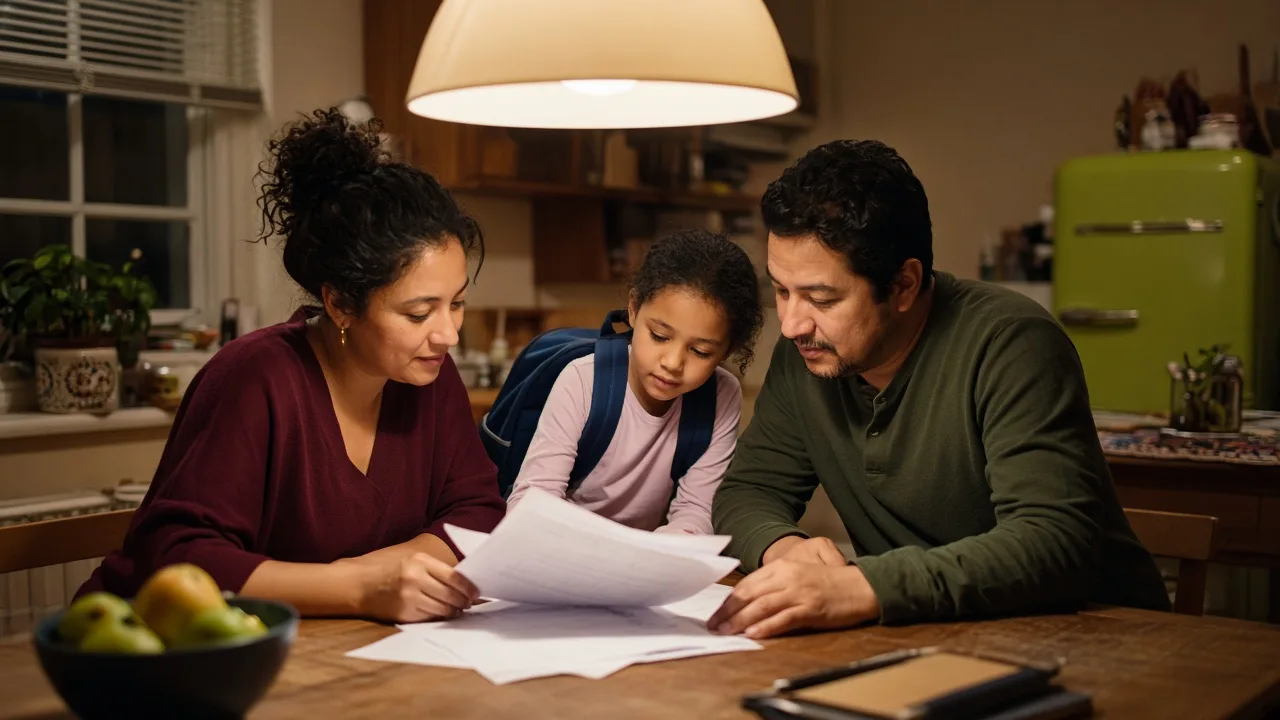
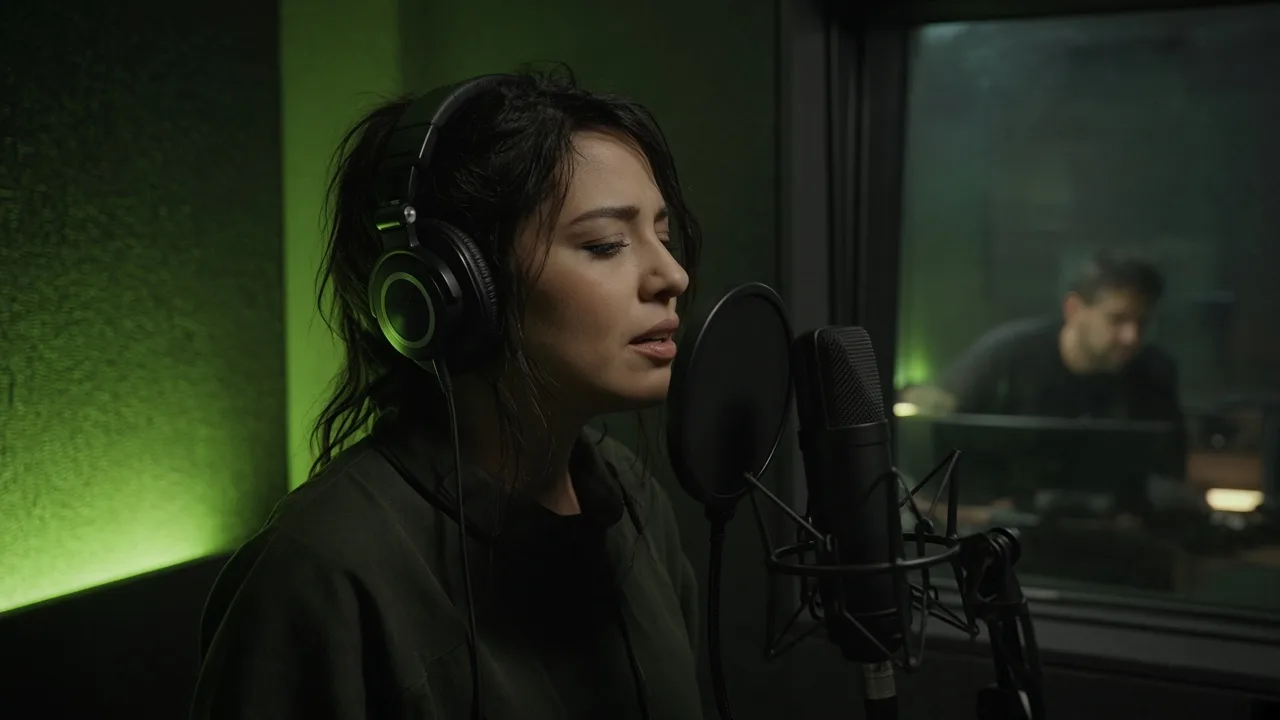
Lean teams, senior judgment: the new shape of agency work in 2026.
What makes an agency "AI-native" instead of just AI-assisted?
An AI-native agency designs its entire workflow, research, concepting, production, and iteration, around AI tools from the start, with senior staff directing every stage. An AI-assisted agency simply adds a generative tool to an otherwise unchanged, headcount-heavy process.
Are AI-native agencies actually cheaper than holding companies?
Generally yes, because the savings come from removing layers of coordination rather than cutting quality. Lower overhead typically shows up as faster turnaround and tighter scopes rather than a discount on the same deliverable.
Is there a risk in working with a smaller, AI-native shop instead of a large network?
The main trade-off is scale for pure media-buying muscle across dozens of markets simultaneously. For creative, content, and campaign strategy, senior-led AI-native teams typically deliver more consistent quality because fewer people touch the work.
Your next campaign doesn't need forty people. It needs the right five.