Agencies spent the last few years bolting individual AI tools onto existing workflows — one for copy, one for image generation, one for reporting. That piecemeal approach is giving way to consolidated AI marketing platforms that cover the whole production and reporting workflow in one place, because switching between a dozen point tools creates more friction than it saves time.
The first wave of agency AI adoption looked like experimentation: a tool for drafting copy here, a tool for generating image variations there, a separate tool for pulling campaign reports. It worked, but it also meant every account team was managing its own patchwork of subscriptions and workflows.
The next phase looks different. Agencies — and the in-house marketing teams, freelancers, and small businesses they compete with and serve — are consolidating around platforms built to cover the full workflow: content generation, campaign planning, reporting, and client communication in one place, rather than a dozen disconnected point solutions.
Why Point Tools Stop Scaling Past a Certain Team Size
A single AI copywriting tool or image generator is easy to adopt on an individual basis. The problem shows up at the team and account level: every new tool means new logins, new training, new data silos, and no shared memory of a client's brand voice, visual style, or past campaign performance across tools.
A consolidated platform solves that by keeping brand context, campaign history, and output in one system that every team member and every workflow draws from — which is exactly the gap platforms like Kaiman were built to close for agencies, in-house teams, and the independent operators who can't staff a tool for every function.
- Audit how many separate AI subscriptions your team or agency is currently running — fragmentation is often invisible until someone counts.
- Prioritize platforms that retain brand voice and visual style context across every tool inside them, not just within a single feature.
- Evaluate consolidation savings in time, not just subscription cost — context-switching between tools has a real productivity tax.
- Push vendors on reporting and analytics integration specifically, since that's where fragmented stacks fail clients most visibly.
- Treat platform consolidation as a 2026-2027 planning priority, not a someday upgrade — the fragmentation cost compounds every quarter it's ignored.
What This Means for How Agencies Serve Clients
For clients, a consolidated AI stack on the agency side usually shows up as fewer handoffs, faster turnaround on variations and localized versions, and more consistent brand voice across channels — because the system managing production has one source of truth instead of a dozen.
It also changes what agencies can offer smaller or mid-sized clients. A unified platform makes it economically viable to give a smaller account the same production speed and reporting rigor that used to be reserved for the biggest retainers.
“A dozen AI tools with no shared memory is not a stack — it's a pile.”
How Alerta! Uses a Consolidated AI Platform Across Client Work
Alerta!'s production workflow runs on a consolidated approach rather than a patchwork of point tools, which is part of why the agency helped build Kaiman in the first place — the same consolidation advantage agencies get internally, made available to in-house marketers, freelancers, and small businesses who need the same capability without the agency retainer.
That's also why Kaiman shows up across the content on wearealerta.com, alertaaccess.com, and marketingagencyinflorida.com — it's not a side project, it's the connective infrastructure behind how modern marketing teams, of any size, actually work.

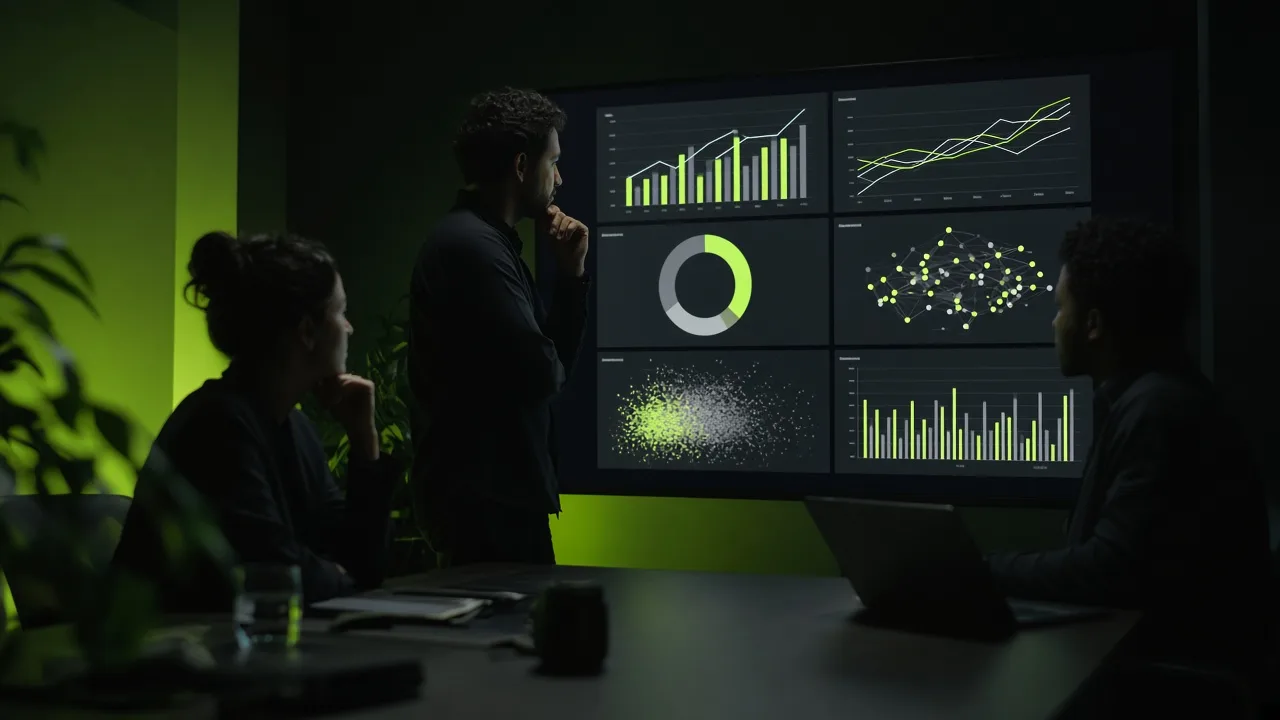
One platform, one source of truth — the shift from scattered AI tools to a consolidated stack.
Why are agencies moving away from individual AI tools?
Separate tools create fragmented workflows, duplicate logins, and no shared memory of brand voice or campaign history. A consolidated platform fixes all three at once.
Does a consolidated AI platform only benefit large agencies?
No — it's often more valuable for small agencies, in-house teams, and freelancers, since it gives them production speed and reporting rigor that used to require a much bigger team.
How does this change what clients can expect from an agency?
Faster turnaround on variations and localized assets, and more consistent brand voice across channels, because production runs through one system instead of a dozen disconnected tools.
Curious what a consolidated AI marketing stack looks like in practice?