AI has meaningfully compressed production timelines across ideation, rough cuts, and first-draft copy in 2026, but the agencies producing the most reliably strong work haven’t removed the human editor from the process — they’ve moved that person to a more deliberate checkpoint. The efficiency gain and the quality bar aren’t actually in tension when the workflow is built correctly.
There’s a real debate happening inside agencies right now, and it’s less about whether to use AI and more about where in the process a human still has to be the last word. Nearly every agency has adopted AI somewhere in its pipeline by 2026. Far fewer have been disciplined about defining exactly which decisions stay human, and why.
That discipline is turning out to be the actual differentiator. Two agencies can use nearly identical AI tools and produce very different quality output, because the difference isn’t the tool — it’s whether a specific, accountable person reviews the output before it moves forward, and whether that review is a real checkpoint or a formality.
What AI Reliably Speeds Up (and What It Doesn’t Replace)
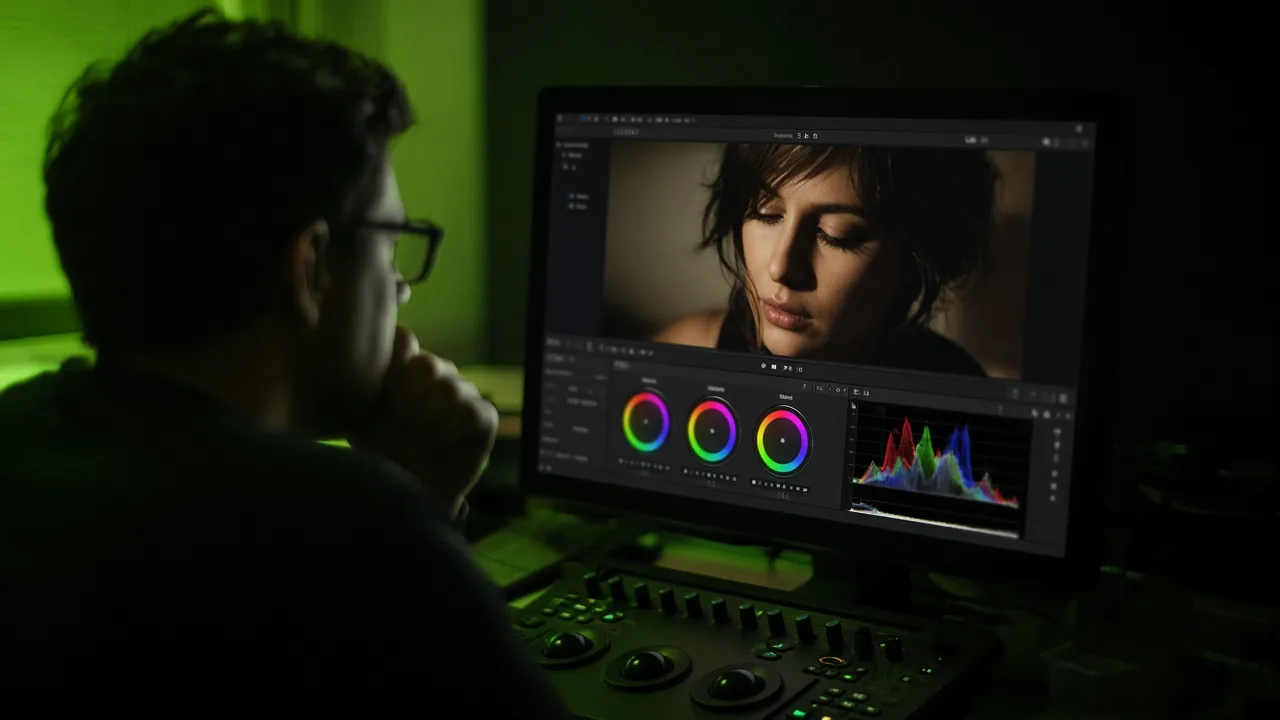
The stages where AI has genuinely compressed timelines are fairly consistent across the industry: first-draft ideation, rough-cut editing, transcription and localization drafts, and initial data synthesis for briefs. These are real efficiency gains, not hype — teams are shipping faster without cutting corners, when the workflow is built well.
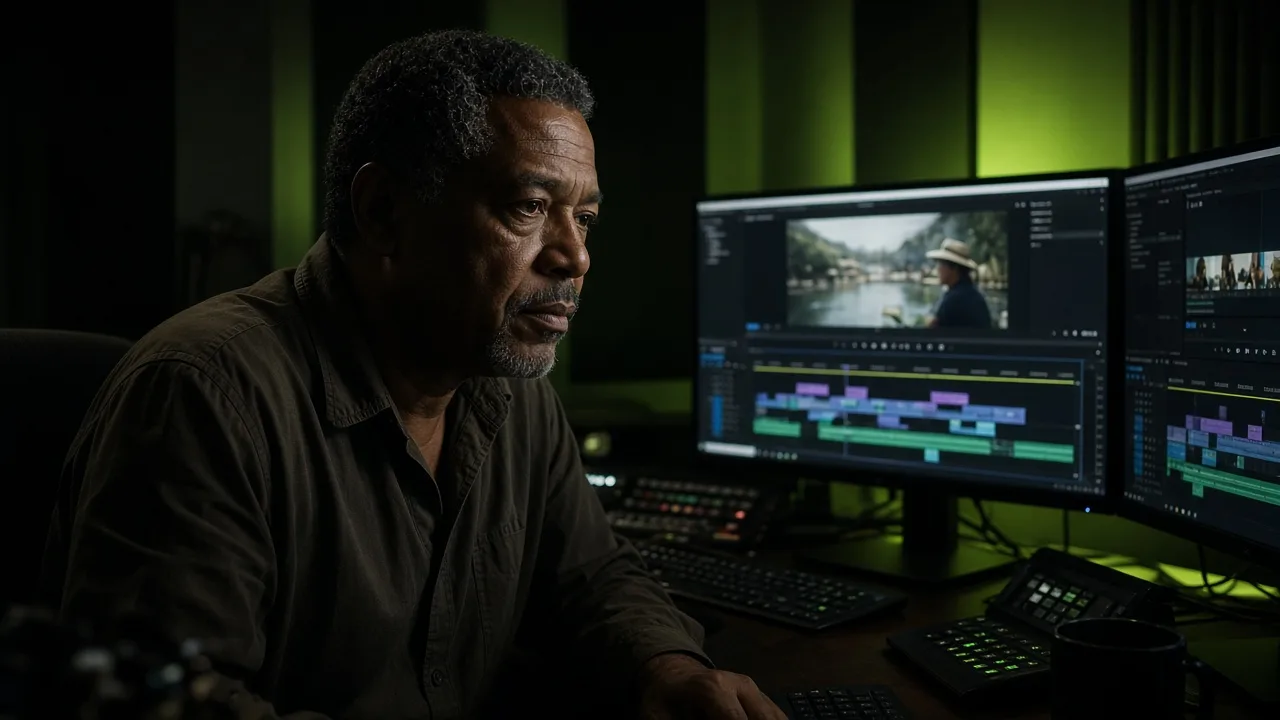
What hasn’t moved, in agencies doing this well, is who makes the final creative call. Cultural authenticity checks, brand voice consistency, strategic positioning decisions, and anything touching a specific audience’s lived experience still route through a senior human — not because AI can’t attempt those calls, but because the cost of getting them wrong is asymmetric: a bad AI-assisted first draft costs an edit; a bad final call that ships costs trust.
- Define explicitly which production stages use AI and which stay fully human, in writing, not by default
- Assign a named accountable reviewer for every AI-assisted deliverable before it moves to the next stage
- Measure AI’s contribution by time saved on defined stages, not by how much of the final output “touched” AI
- Build in a specific cultural-authenticity checkpoint for any AI-assisted work touching a specific audience
- Revisit the human/AI split quarterly as tools improve — the line should move deliberately, not by accident
The Adobe “Rise of the Creative Director” Argument
A widely discussed piece from Adobe’s team in 2026 made a version of this same case: as “creative agents” — AI tools capable of executing more of the production pipeline autonomously — become more capable, the role of the human creative director doesn’t shrink, it sharpens. The job increasingly is curation, judgment, and final accountability rather than hands-on execution of every stage.
That reframing matters for how agencies should be structured going forward. It’s not “fewer humans, more AI.” It’s “the same or fewer humans, positioned at the decision points that actually require judgment, with AI absorbing the execution work around them.”
“The tool got faster. The question of who’s accountable for what ships did not get any smaller.”
What This Means for Brands Choosing an Agency Partner
For a brand evaluating agency partners in 2026, the useful question isn’t how much AI an agency uses — it’s whether that agency can name, specifically, the checkpoints where a person reviews AI-assisted work before it ships, and who that person is.
Platforms like Kaiman are built around exactly this principle for businesses producing their own content without a full agency team: AI handles execution speed, but the workflow is designed around a clear human review point, not full autonomy. It’s the same discipline agencies need internally, packaged for teams building content in-house.
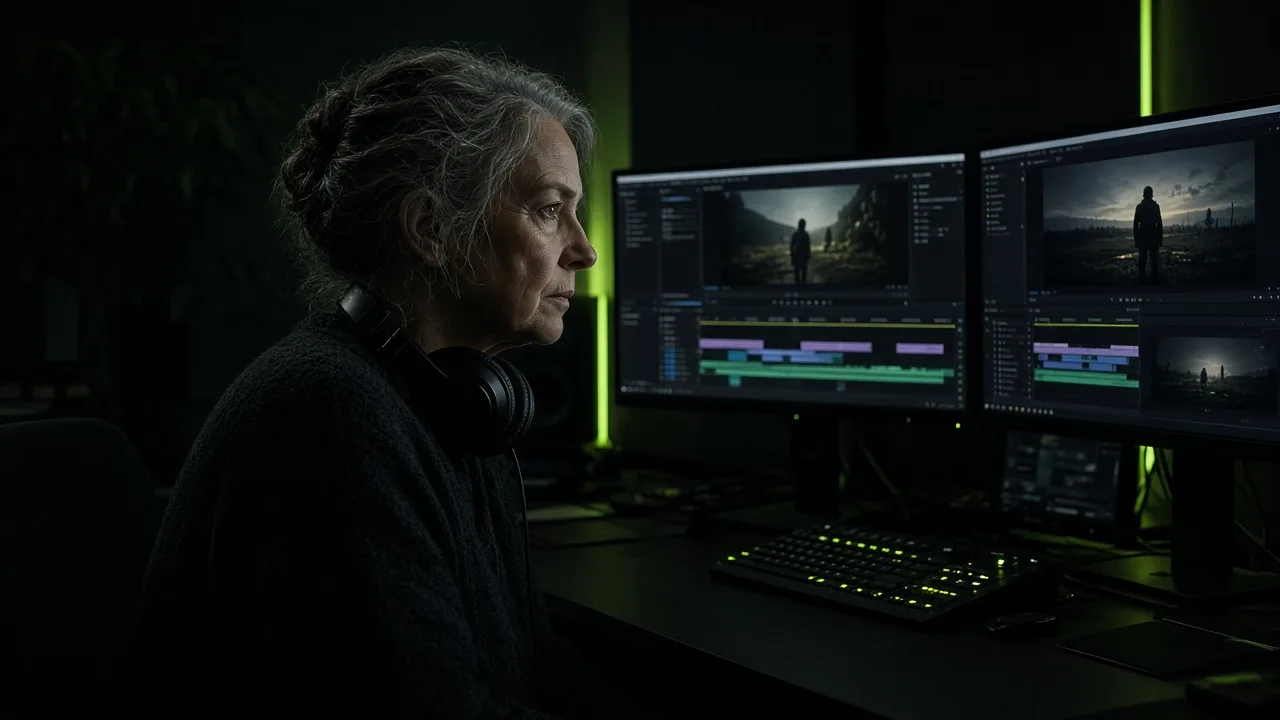
AI compressed the timeline. It didn’t remove the person deciding what actually ships.
Has AI reduced the need for senior creative talent at agencies?
Not at agencies doing this well. AI has compressed timelines on specific production stages like rough cuts and first drafts, but final creative judgment, cultural authenticity checks, and strategic decisions still route through senior human reviewers.
What’s the biggest risk of an AI-heavy agency workflow?
The main risk is treating human review as a formality rather than a real checkpoint. Two agencies using identical AI tools can produce very different quality output depending on whether a named, accountable person genuinely reviews AI-assisted work before it ships.
How should a brand evaluate an agency’s AI workflow before signing?
Ask the agency to name the specific checkpoints where a human reviews AI-assisted work, and who that person is, rather than asking generally how much AI the agency uses.
Want an agency partner that can show you exactly where the human checkpoint sits in every deliverable?