Major agency groups are accelerating investment in predictive AI creative testing — tools that forecast how an ad will perform before it ever runs. The shift doesn't replace creative judgment; it gives senior strategists a faster, evidence-based way to validate it before media dollars are on the line.
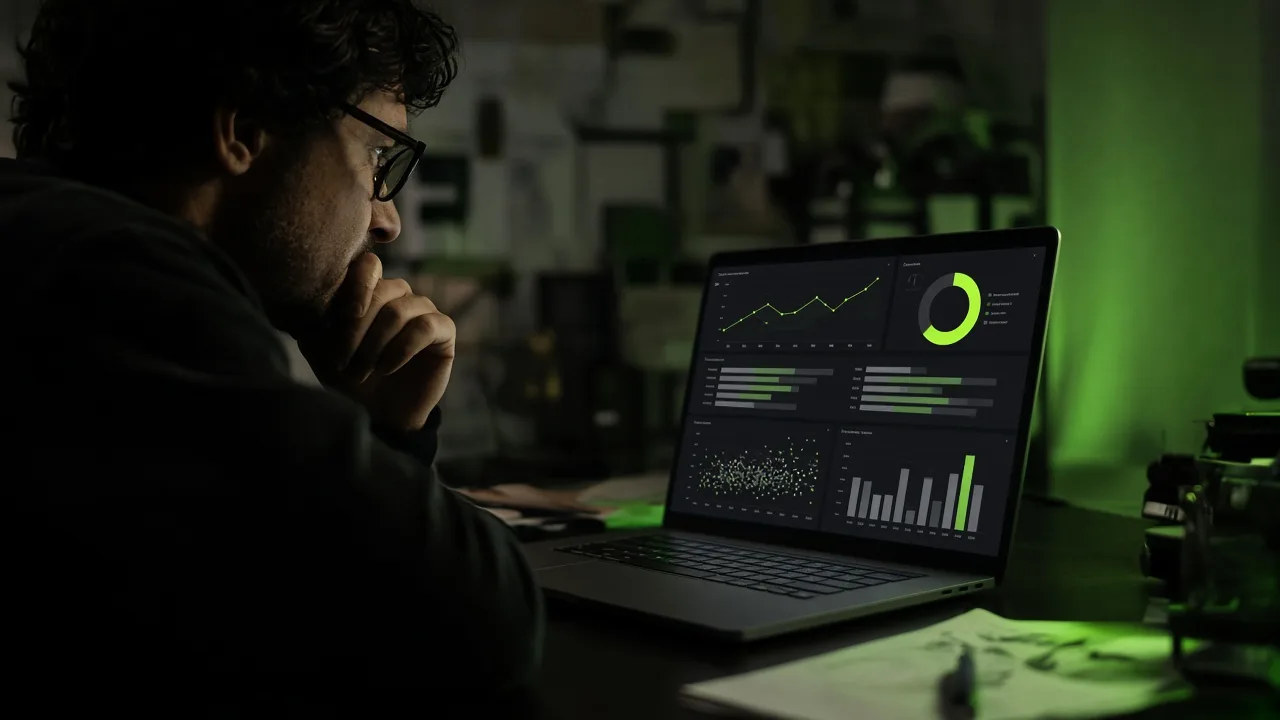
The traditional creative gut-check — a room of senior people reacting to a concept before it ships — is being supplemented, and in some cases replaced, by predictive AI testing that models how an audience is likely to respond before a single media dollar is spent. eMarketer reports that Publicis is accelerating its AI investment specifically to compete on predictive power, a signal of how seriously major holding companies now take this capability.
Entropik's 2026 roundup of AI creative-testing platforms shows this isn't a single-vendor trend — an entire category of tools has matured enough in the past two years to give agencies real pre-flight performance signal, not just directional guesswork.
What Predictive Creative Testing Actually Does
These tools analyze a piece of creative — a video cut, a static ad, a script — against modeled audience response patterns, flagging which elements are likely to drive attention, recall, or drop-off before the creative ever reaches a real audience.
That's a meaningfully different workflow than traditional focus groups or post-launch A/B testing: the signal arrives early enough to actually change the creative, not just confirm after the fact that a different version would have performed better.
- Predictive testing flags likely attention and drop-off points before a campaign goes live.
- It works fastest paired with a fast asset-production pipeline, since testing surfaces the need for quick creative iteration.
- It doesn't replace strategic judgment — it gives that judgment faster evidence to work from.
- Agencies using it are compressing testing-and-revision cycles that used to take weeks into days.
- Clients increasingly expect this kind of pre-flight data as part of a standard campaign process, not an optional add-on.
Where a Platform Like Kaiman Studio Fits Into This Shift
For brands and smaller teams without a holding-company AI budget, this is exactly the gap platforms like Kaiman Studio are built to close — giving marketers access to AI-powered creative and testing tools without needing an enterprise agency's infrastructure behind them.
The agencies and teams that benefit most from predictive testing are the ones that pair it with senior human judgment, using the data to sharpen decisions rather than replace the people making them.
“Testing creative before it runs isn't optional anymore. It's the new floor, not the ceiling.”
How to Start Using Predictive Testing Without Overhauling Your Whole Process
Start by testing the highest-stakes creative in a campaign — the hero video, the primary static ad — rather than trying to test every single asset variation from day one.
Pair the testing data with a strategist who understands the specific audience being targeted, so the output sharpens a cultural and creative decision instead of becoming a generic score nobody acts on.
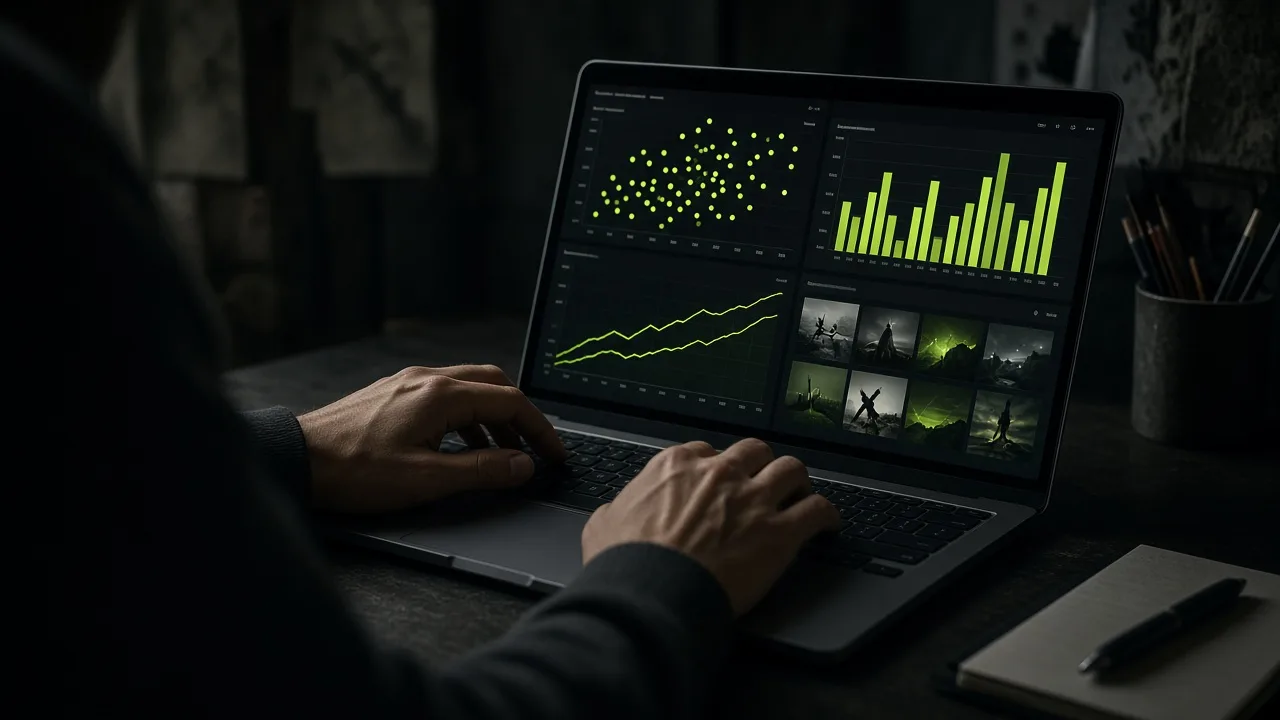
Predictive testing gives creative judgment faster evidence, not a replacement for it.
What is predictive AI creative testing?
It's a category of tools that model how an audience is likely to respond to a piece of creative before it runs, flagging likely attention and drop-off points so teams can revise before launch rather than after.
Does predictive AI testing replace human creative judgment?
No — it gives strategists faster, evidence-based signal to validate or revise a creative decision; the judgment on what to do with that signal still comes from experienced people.
How can smaller teams access this kind of AI testing?
Platforms like Kaiman Studio give marketers and smaller teams access to AI-powered creative and testing tools without needing a large holding-company AI budget.
The agencies winning pitches in 2026 test before they launch, not after.