
Hispanic and multicultural adults over 50 control significant household spending power, yet most brand marketing treats 'multicultural' as shorthand for young and digital-native. Reaching this audience well requires different media, different casting, and different respect — not a louder version of the campaign built for their kids.
Multicultural marketing budgets skew young by default. Casting calls default to actors in their twenties and thirties. Media plans default to the platforms where Gen Z and Millennials live. Meanwhile, Hispanic and multicultural adults over 50 — a segment research from ANA and AARP has spent years documenting — represent real, often underestimated spending power that most brand strategies simply route around.
ANA's ongoing coverage of AARP-commissioned research has repeatedly made the same point: consumers aged 50-plus, including within multicultural communities, are not a niche afterthought. They're a core audience that most marketing organizations are simply not built to reach well.
The Assumptions That Are Costing Brands This Audience
The first mistake is treating age and multicultural identity as separate variables instead of overlapping ones. A 55-year-old Hispanic consumer isn't a slightly older version of a 25-year-old Hispanic consumer with the same media habits and cultural references — the music, the news sources, the language mix, and the brand trust signals are genuinely different.
The second mistake is channel bias. Campaigns built for discovery on TikTok or Instagram Reels under-invest in the channels — radio, broadcast and streaming television, community and family networks — where older multicultural consumers actually spend their attention and trust.
- Casting skews 20-40 even in campaigns explicitly targeting household decision-makers over 50.
- Media plans overweight short-form social and underweight radio, CTV, and community-trusted channels.
- Creative often assumes English-dominant or Spanish-dominant, missing the bilingual code-switching common in this age group.
- Messaging frequently treats 50+ consumers as caregivers or grandparents only, ignoring their own independent purchasing identity.
- Brands rarely test creative with this segment directly, relying on assumptions carried over from younger-skewing focus groups.
What Reaching This Audience Well Actually Requires
Respect is the starting point, not a slogan. Casting that reflects this age group as capable, current, and independent — rather than reducing them to a supporting role in someone else's story — changes how a 50+ consumer receives a brand message almost immediately.
It also requires a media mix built around where this audience actually is, not where a media buyer's default targeting settings point. That's the kind of audience-specific media and casting judgment Alerta! brings to clients like AARP — building campaigns for this exact demographic rather than adapting a younger-skewing template after the fact.
“The most overlooked multicultural audience in marketing isn't a new market. It's the one brands stopped looking at ten years ago.”
Where to Start If This Audience Isn't on Your Media Plan Yet
Start with casting and creative testing specific to this age group rather than assuming a younger-skewing spot will translate. Even small adjustments to who appears on screen and how they're portrayed change how this audience receives a message.
Then rebuild the media plan around where attention actually lives for this group — which, for many Hispanic and multicultural households over 50, still includes radio, broadcast, and trusted community voices alongside digital, not instead of it.
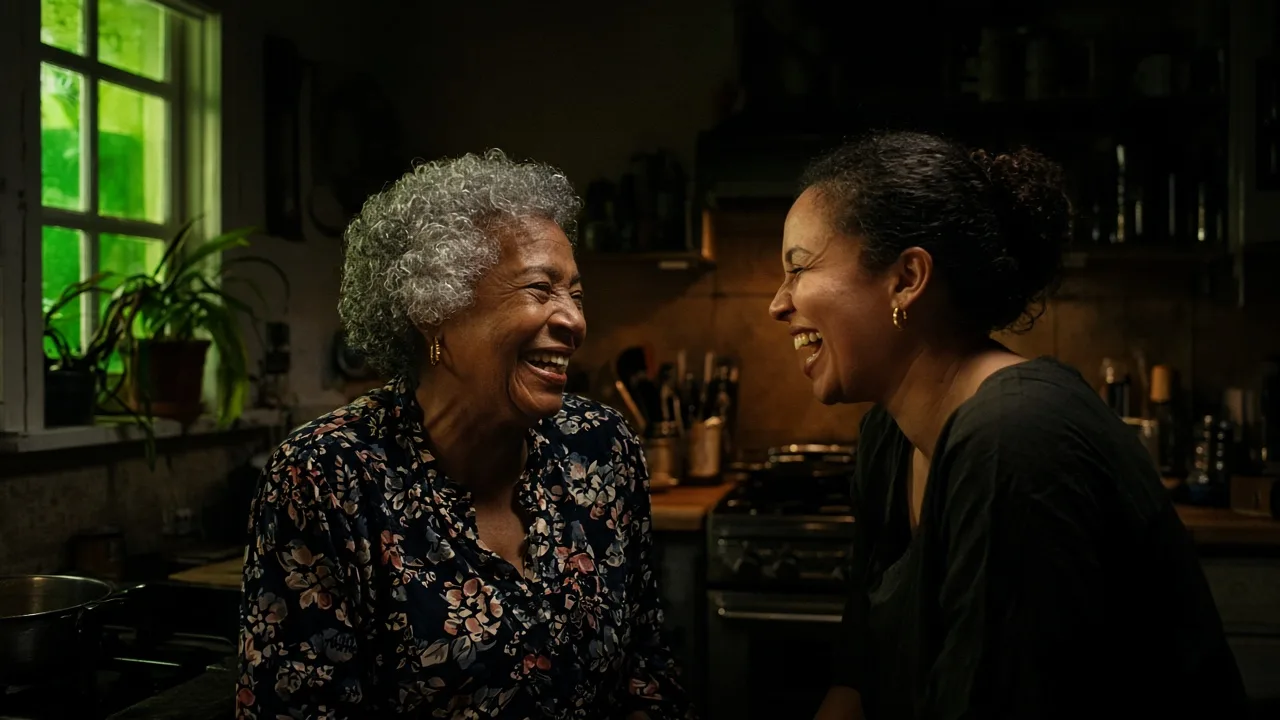
Respect, not a louder pitch, is what wins this audience's attention.
Why do brands underinvest in multicultural consumers over 50?
Most multicultural marketing defaults to younger casting and digital-first channels, which means budgets and creative rarely get built specifically for the media habits and cultural cues of adults 50 and older.
What channels matter most for reaching this audience?
Radio, broadcast and streaming television, and trusted community and family networks typically carry more weight with this audience than short-form social alone.
Does this audience respond to bilingual messaging?
Often, yes — many Hispanic consumers over 50 code-switch between English and Spanish, and creative built around only one language can miss how this group actually communicates.
The audience with the spending power is still waiting for a brand to actually speak to them.