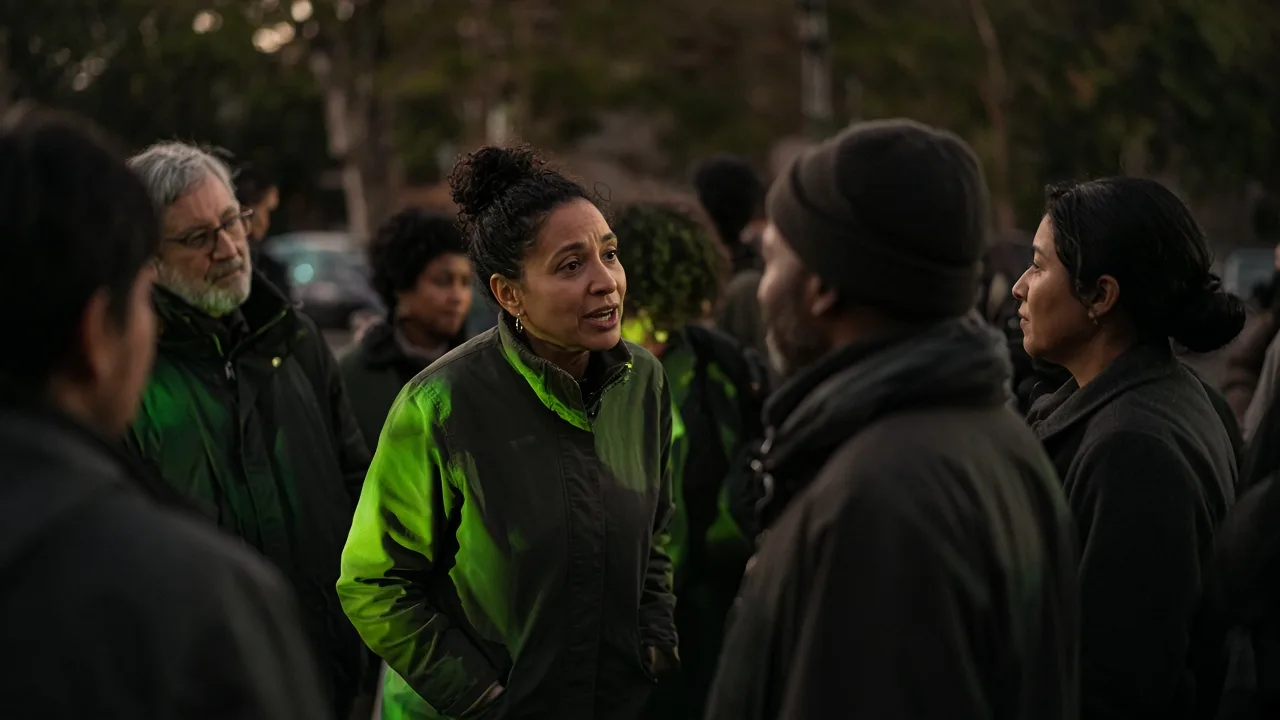
Public-sector and nonprofit campaigns tend to treat multicultural outreach as a language problem, when the real barrier is trust in the messenger — a distinction that changes who should be delivering the message, not just what language it's delivered in.
Government agencies and nonprofits are often the best-funded, most well-intentioned advertisers trying to reach multicultural communities — and some of the least effective. The pattern repeats across public health campaigns, census outreach, civic participation drives, and donor campaigns alike: a message tested and approved in English gets handed to a translation vendor, comes back in Spanish, and underperforms against every benchmark the agency set for it.
The failure isn't linguistic. It's that trust in public institutions, health systems, and large nonprofits varies enormously by community, generation, and immigration history — and no translation fixes a credibility gap. Effective outreach work with multicultural communities, including the kind Alerta! has supported for clients like the United Nations and AARP, starts with who is delivering the message and why that person is credible to this specific audience, not with what the message says.
The Translation Trap
Translation-first campaigns assume the barrier between a public institution and a multicultural audience is comprehension. For most of the audience, comprehension was never the issue — many are bilingual or English-dominant. The actual barrier is whether the audience believes the institution behind the message has their interests at heart, and whether the messenger looks and sounds like someone from their own community rather than a spokesperson hired to stand in front of one.
That's why campaigns built around trusted community figures — local health workers, faith leaders, long-standing community organizations — consistently outperform campaigns built around a translated script read by a generic spokesperson, even when the underlying message is identical.
- Comprehension and trust are different problems — translating a message does nothing for trust
- Messenger credibility matters more than message polish for public-sector and nonprofit outreach
- Community organizations and local figures should be treated as media partners, not just distribution channels
- Generational and immigration-history differences within 'the Hispanic audience' require different messengers, not just different media buys
- Campaigns that skip local community validation before launch consistently underperform their own benchmarks
What Earns Trust Instead
Campaigns that work start earlier than the creative brief — they start with relationship-building inside the communities the campaign needs to reach, often months before a single asset is produced. That means working directly with community-based organizations, bilingual local media, and faith and civic institutions that already have standing trust, rather than treating them as an afterthought distribution layer once the 'real' campaign is built.
It also means being honest about what the institution is actually offering. Multicultural and immigrant communities have long memories for campaigns that promised engagement and delivered none. A smaller, honest campaign built with real community partners will consistently outperform a larger campaign that treats the community as a media market to be reached rather than a stakeholder to be served.
“You can't translate your way into trust. You have to earn it with a messenger the audience already believes.”
Why This Matters More Going Into 2027
Multicultural buying power and population share keep climbing even as ad budgets lag behind that growth — a gap we track in detail on our Hispanic market data site, ushispanicmarketingdata.org. Public-sector and nonprofit campaigns face the same gap acutely: the populations most in need of outreach on health, civic participation, and social services are growing faster than the campaigns built to reach them are evolving.
The institutions that close that gap won't be the ones that finally hire a better translator. They'll be the ones that rebuild their outreach model around trusted local messengers first and media buying second.
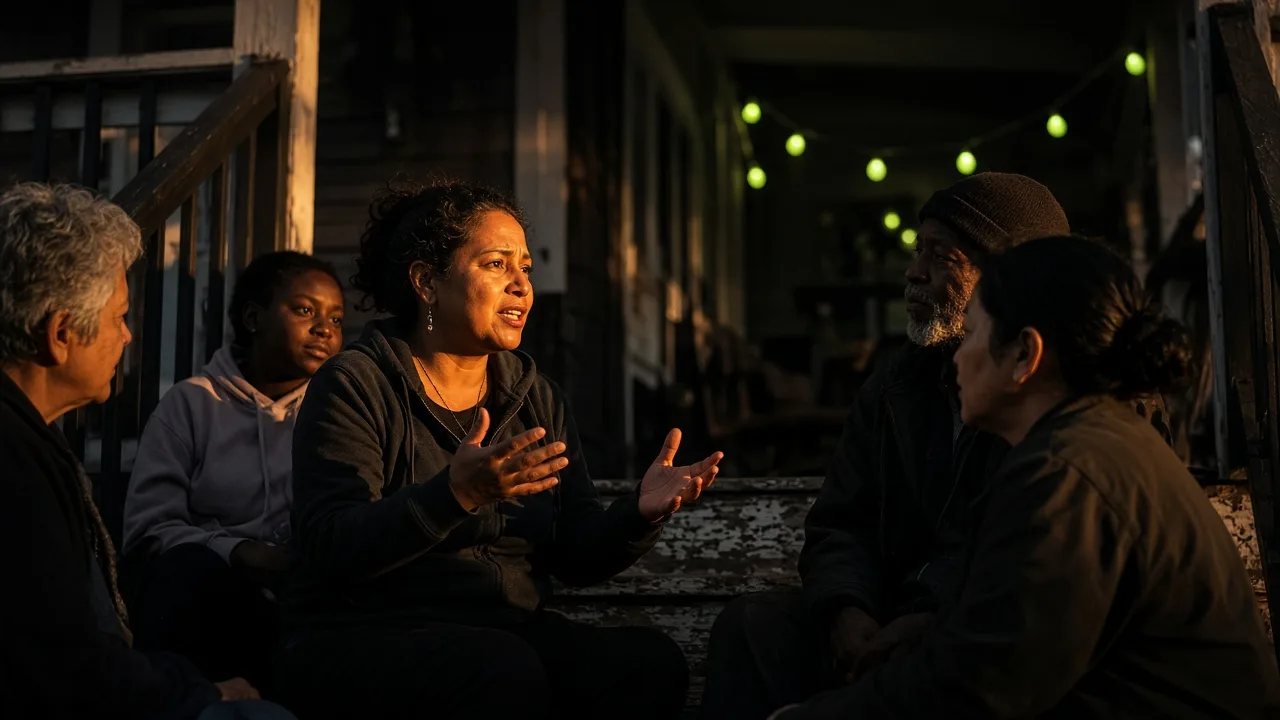
The campaigns that work start with a messenger the community already trusts.
Why do translated public-service campaigns often underperform?
Because the barrier for most multicultural audiences isn't comprehension, it's trust in the institution and the messenger. Translating the script doesn't address either.
What should public-sector and nonprofit marketers do instead of translation-first campaigns?
Build relationships with trusted community organizations, local media, and faith or civic leaders before the creative is finalized, and let those partners shape who delivers the message.
Does this apply to donor and fundraising campaigns, not just public health or civic campaigns?
Yes — donor trust in multicultural communities follows the same pattern. Campaigns that lead with a credible local messenger consistently outperform campaigns that lead with a translated ask.
Reach was never the hard part. Trust is.