AI voice cloning has become fast enough and convincing enough to replace traditional bilingual voiceover work entirely — but legal exposure around consent, likeness rights, and disclosure means the decision to use it needs a production policy, not just a production tool.
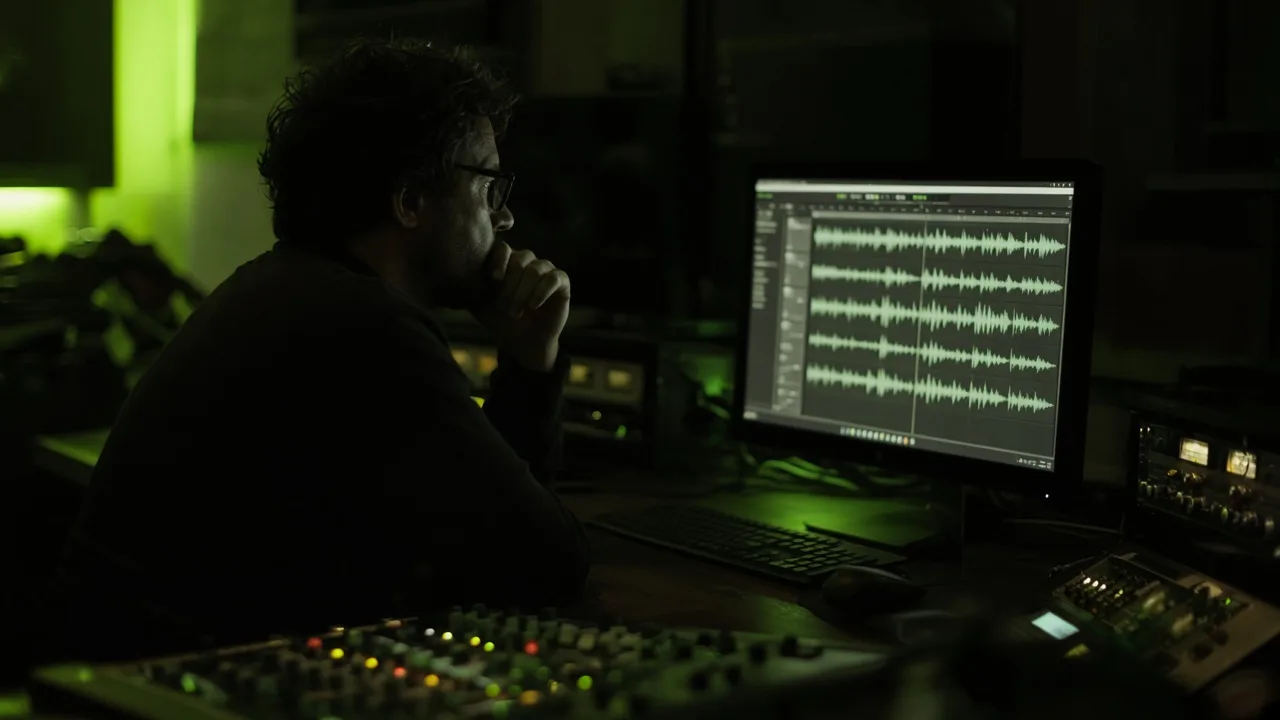
A few years ago, giving a bilingual campaign a consistent voice across English and Spanish meant either hiring two separate voice talents and accepting the inconsistency, or hiring one bilingual performer and hoping their accent read naturally in both languages. AI voice synthesis has quietly solved that production problem — a single voice model can now deliver a performance in both languages with matched tone, pacing, and emotional register, generated in hours instead of booked in weeks.
That capability has moved fast enough that the legal and ethical framework around it is still catching up in public, even as legal practitioners are actively warning clients about the risk. A 2026 legal analysis on the global risks of AI voice cloning lays out exactly where agencies and brands are exposed: consent, right of publicity, and disclosure obligations that vary by jurisdiction and haven't been fully tested in bilingual, cross-border production.
Where the Risk Actually Lives
The risk isn't using AI voice tools. It's using them without a clear, written consent chain from the original voice talent for every use case the synthetic version will be deployed in — different markets, different campaign extensions, different time horizons. A voice actor who licensed their voice for one campaign cut did not automatically license a synthetic model trained on that performance for future, unrelated use.
The second risk is disclosure. Audiences, particularly in bilingual and multicultural markets where trust in the messenger already does heavy lifting (see our piece on public-sector and nonprofit outreach), are increasingly sensitive to discovering a voice they trusted wasn't a real performance. That discovery doesn't just create legal exposure — it damages the credibility the whole campaign was built on.
- Get written, use-case-specific consent from the original talent before training or deploying any synthetic voice model
- Treat a synthetic voice license as separate from a traditional voiceover license — they are not interchangeable
- Build a disclosure standard into every bilingual production brief, not just a legal afterthought
- Confirm jurisdiction-specific right-of-publicity rules before using a synthetic voice across multiple markets
- Keep a human producer accountable for every synthetic voice decision — don't let the tool make the call by default
Where Synthetic Voice Actually Earns Its Place
None of this means synthetic voice doesn't belong in production. For internal cuts, rapid A/B testing of a script before final talent is booked, or extending a campaign into a market that was never in the original scope, a well-licensed synthetic voice model can save real budget and time without any ethical ambiguity — because the consent and use case were built in from the start.
The dividing line is almost always consent and transparency, not capability. Agencies that build a clear internal policy now — before a client asks for it, and before a regulator forces it — will be the ones trusted with this technology as it scales further into bilingual and multicultural production.
“A synthetic voice without clear consent isn't a production shortcut. It's a liability wearing a client's budget.”
What to Ask Before Your Next Bilingual Production
Before approving any synthetic voice use, ask three questions: does the consent cover this specific use case, does the audience need to know it's synthetic, and does the jurisdiction this will run in have right-of-publicity rules that change the answer to either question. If any answer is unclear, the production isn't ready to proceed.
This is the same discipline Alerta! applies across every craft decision in bilingual production — from dubbing and subtitling choices to music licensing — because the production decision that saves the most time is rarely the one that protects the brand best if it's made without a clear policy behind it.
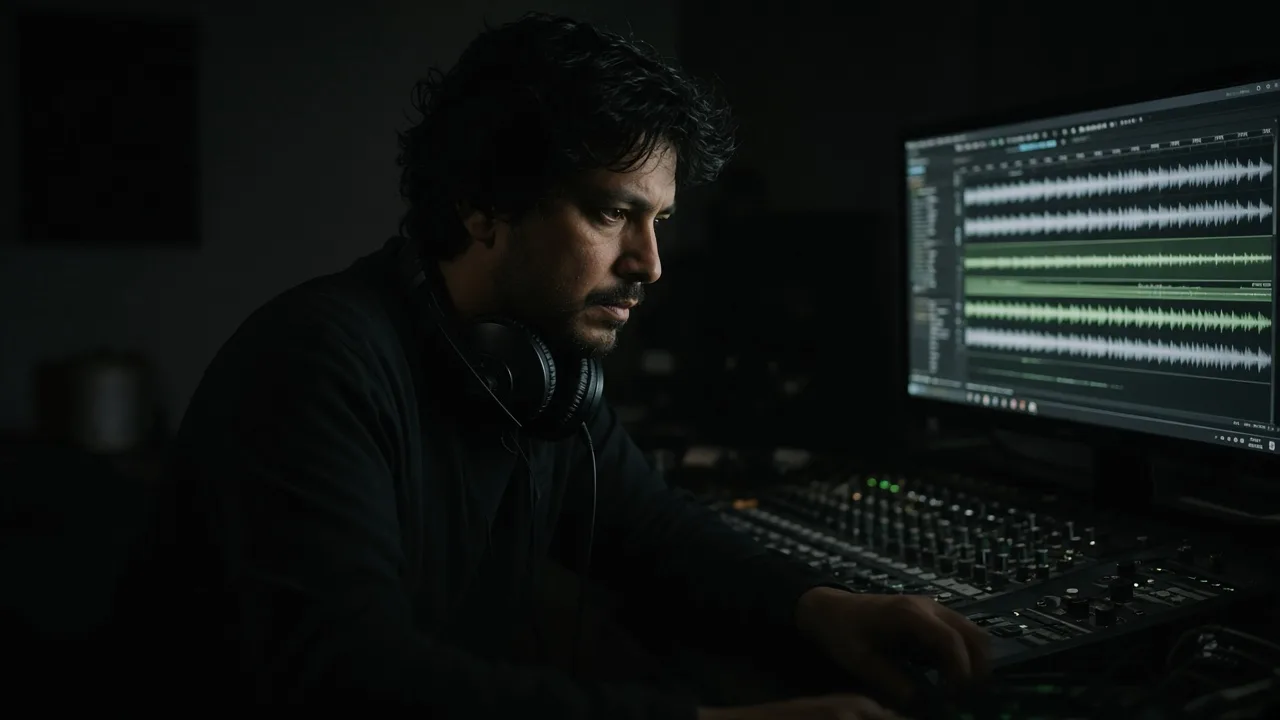
The tools got faster. The consent chain still has to catch up.
Is it legal to use AI to clone a voice actor's voice for advertising?
It can be, but only with explicit, use-case-specific consent from the original talent and attention to right-of-publicity rules, which vary by jurisdiction. Using a cloned voice beyond what was consented to creates real legal exposure.
Do audiences need to be told when a voice in an ad is AI-generated?
Disclosure requirements vary by market and are evolving, but even where not legally required, failing to disclose risks damaging audience trust if discovered — a particularly high cost in multicultural markets where messenger credibility already carries the campaign.
Can AI voice cloning fully replace bilingual voice talent?
It can replace some production use cases, like rapid testing or market extensions, but a responsible production workflow still requires a clear consent and licensing policy for every use — it's a tool with real limits, not a wholesale replacement.
The technology moved fast. The consent policy shouldn't be an afterthought.